In this guide
Quick answer: Tankless water heaters should be descaled (flushed) about once a year on average, and more often with hard or well water. Minerals in the water form scale inside the heat exchanger, which lowers efficiency, reduces hot water flow, causes temperature swings and can trigger scale or flow error codes. Descaling circulates a descaling solution through the unit using its service valves, then flushes it clean. Many homeowners have it done during yearly service. For help, book water heater repair and maintenance.
Tankless water heaters are popular in New Jersey homes for their endless hot water and compact size. But they have one maintenance need that many owners do not know about until the unit starts acting up: descaling. This guide explains why scale forms, how often to deal with it and how to keep your unit running for years.
Why tankless water heaters scale up
Tap water contains dissolved minerals, mainly calcium and magnesium. When water is heated, some of those minerals come out of solution and stick to hot surfaces. In a tank water heater, they settle to the bottom as sediment (see flushing a tank water heater). In a tankless unit, water flows through a compact heat exchanger with narrow passages, so scale builds up directly on the surfaces that do the heating.
Water hardness varies across New Jersey. Some municipal supplies are moderately hard, and private wells, common in rural parts of Ocean, Monmouth and Burlington counties, can be harder still. The harder the water, the faster scale forms.
What scale does to your water heater
- Lower efficiency: scale insulates the heat exchanger, so the burner or elements work harder to heat the same water
- Reduced flow: narrowed passages restrict how much hot water you get
- Temperature swings: hot-cold-hot showers as the unit struggles to keep up
- Noise: kettle-like rumbling or ticking
- Error codes: many units detect scale or overheating and display a warning
- Shorter life: overheating can damage the heat exchanger, an expensive repair
How often to descale
Your manufacturer's manual is the best guide. As a general rule:
- Most homes: about once a year
- Hard water or well water: more often, sometimes every six months
- Homes with a water softener or scale-prevention filter: may stretch the interval, but still check yearly
- Heavy hot water use (large families, rentals): more often
Some units display a reminder when they detect scale buildup or after a set amount of use.
Signs your tankless heater needs descaling now
- Water takes longer to get hot or never gets as hot as before
- Fluctuating temperatures in the shower
- Reduced hot water flow at faucets
- Rumbling or knocking sounds from the unit
- A scale, flow or overheat error code on the display
- White, chalky deposits on faucets and showerheads (a sign of hard water in general)
What a descaling service involves
- Shut down the unit safely (gas and power) and close the water supply
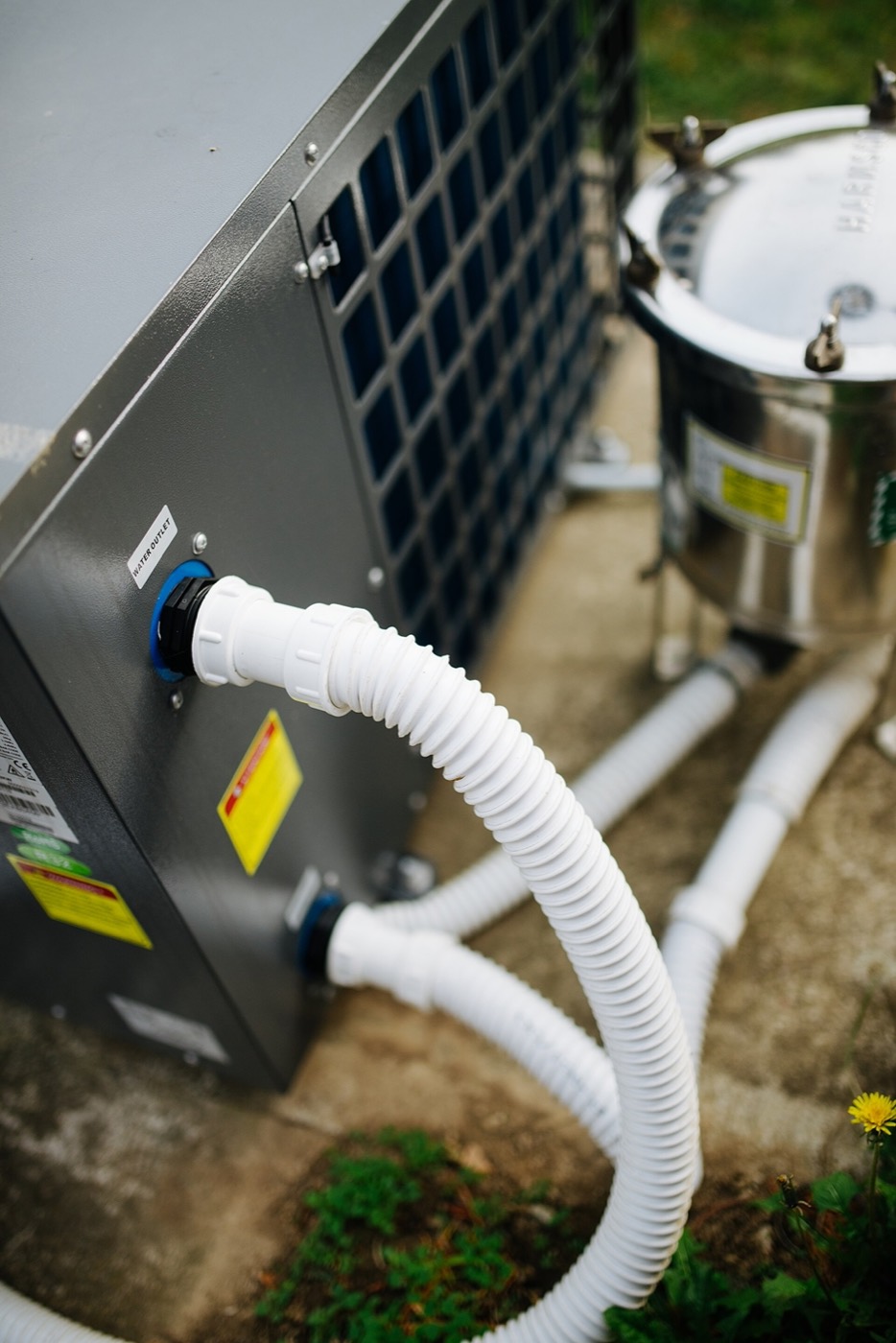
- Connect a small pump and hoses to the service (isolation) valves
- Circulate a descaling solution through the heat exchanger for the time the manufacturer specifies
- Flush with clean water until it runs clear
- Clean the inlet water filter screen
- Restore water and power, purge air, and test temperature and flow
- Check venting, combustion and error history on gas units
Service valves make it easy
Most professional installations include isolation valves on the hot and cold lines, which make descaling quick and clean. If your unit does not have them, adding them during your next service is worthwhile.
Can you do it yourself?
Some handy homeowners descale their own units with a kit, following the manual carefully. Important cautions:
- Shut off gas and power before starting
- Use only a descaling solution approved by the manufacturer
- Never run the burner or elements while descaling
- Dispose of the used solution properly
- If your unit shows error codes after a DIY flush, call for service
Many owners prefer to have it done as part of yearly maintenance, when the technician also checks venting, combustion, the condensate drain on condensing units and the error history.
Preventing scale
- Water softener: reduces hardness throughout the home; ask a water treatment specialist about your water
- Scale-prevention filter on the cold inlet to the water heater
- Moderate temperature setting: higher settings speed up scale formation
- Clean the inlet filter regularly
- Yearly service
Tankless or tank: did scale change your mind?
Scale is not a reason to avoid tankless, just a maintenance item. Tank heaters also suffer from hard water in the form of sediment. Read tankless vs tank water heaters for a full comparison, and water heater lifespan for how long each typically lasts.
Combi boilers
A combi boiler heats your home and your hot water in one compact unit. Its domestic hot water heat exchanger can also scale up in hard water, which shows up as weaker or fluctuating hot water. Yearly boiler service should include checking hot water performance. See combi boiler guide and the boiler maintenance checklist.
What else yearly tankless maintenance covers
- Cleaning the air intake and checking venting
- Checking combustion and gas pressure on gas units
- Clearing the condensate drain and checking the neutralizer on condensing units
- Testing the pressure relief valve
- Reviewing error history and firmware settings
- Checking for leaks at fittings
Questions homeowners ask us
Does descaling void my warranty? Following the manufacturer's maintenance schedule usually helps protect your warranty. Skipping it can cause scale damage that a warranty may not cover, so keep records of each service.
Can I just use vinegar? Some manufacturers allow a vinegar solution and others specify their own descaler. Check your manual, because the wrong product or concentration can harm seals or heat exchanger materials.
Is descaling messy? With service valves installed, it is a clean job. The solution circulates in a closed loop through hoses and a bucket, then the unit is flushed with clean water.
How long does it take? Typically about an hour or so, including the flush and testing, depending on the unit and how much scale there is.
When repair is not worth it
A tankless water heater with a scaled or cracked heat exchanger, repeated error codes and many years of service may be due for replacement. We will tell you honestly whether descaling and repair make sense or whether a new tank, tankless or combi unit is better value.
A yearly routine that keeps hot water flowing
- Fall: schedule descaling and a full service before winter, when cold incoming water makes the unit work hardest
- Every few months: glance at the display for error codes and listen for new noises
- Whenever the water looks cloudy or flow drops: clean the inlet filter screen
- After plumbing work: have the filter checked, since debris can come loose
Keeping a simple log of service dates and any error codes helps your technician spot patterns.
Tankless water heater service near you
We service, repair and install gas and electric tankless water heaters and combi boilers of every brand, including Navien, across Ocean, Monmouth, Burlington and Middlesex counties, including Freehold Township, Manalapan, Marlboro and South Brunswick. Book online or call for same day service.
Frequently asked questions
How often should a tankless water heater be descaled?
Many manufacturers recommend about once a year. Homes with hard water or a well may need it more often. Your unit’s manual gives the recommended interval and procedure.
What happens if you never descale a tankless water heater?
Scale builds up on the heat exchanger, which makes the unit work harder, reduces hot water flow, causes temperature swings and error codes, and can shorten the life of the heater or damage the heat exchanger.
Can I descale my tankless water heater myself?
Some homeowners do it with a pump, hoses and a descaling solution if the unit has service (isolation) valves. Gas units must be shut down safely first, and the manufacturer’s instructions must be followed. Many prefer to have it done during yearly service.
Do combi boilers need descaling too?
Combi boilers heat domestic hot water through a heat exchanger that can also scale up in hard water. Yearly service checks this and the boiler as a whole.
Do you service tankless water heaters?
Yes. We repair, maintain and install gas and electric tankless water heaters and combi boilers of every brand, including Navien, across Ocean, Monmouth, Burlington and Middlesex counties.
Water Heater Repair near you
We provide water heater repair in all 153 towns across Ocean, Monmouth, Burlington and Middlesex counties. Find your area:
Monmouth County (all 53 towns)
Too hot? Too cold? Let’s fix that today.
Book online in about a minute or call us for honest advice and an upfront quote. Same day service across Ocean, Monmouth, Burlington and Middlesex counties.
- $50 off your first repair (new customers, terms apply)
- 24/7 emergency line
- Upfront quotes
- No hidden fees
- Licensed & family owned


Install our app
On your iPhone or iPad, in Safari:
- Tap the Share button ↑︎ at the bottom of the screen
- Scroll down and tap Add to Home Screen
- Tap Add. The app appears on your home screen
Using Chrome on iPhone? Tap the share icon in the address bar, then Add to Home Screen.
On your Android phone, in Chrome:
- Tap the menu ⋮ at the top right
- Tap Install app (or Add to Home screen)
- Tap Install. The app appears on your home screen
No app store, no sign-up needed. Book service, track appointments and see your invoices and receipts.