In this guide
Quick answer: A higher heating bill usually comes from colder weather, a rate increase, or more time at home. Compare your usage (therms of gas or kilowatt-hours of electricity) with the same month last year before assuming something is wrong. If usage jumped more than the weather explains, look at the equipment: a clogged filter, short cycling, leaky ducts, a misbehaving thermostat, a heat pump stuck on backup heat or an aging furnace can all waste fuel. A heating tune-up is the fastest way to find out.
A surprise bill in January is frustrating, and it's not always clear whether the cause is the weather or the furnace. This guide helps you work out which, and what to fix first.
Start with your bill, not the furnace
Your utility bill holds most of the clues. Look for:
- Usage, measured in therms for gas or kWh for electricity, not just dollars
- Billing period length, since some months have more days than others
- Rates and charges, including supply, delivery and any changes
- Usage history, which many bills or online accounts show by month for the past year
- Estimated vs actual reading, because estimated bills can be corrected later
If usage is similar to last year but the total is higher, rates are the likely cause. If usage is much higher, keep reading.
The weather factor
Heating use rises sharply as temperatures fall. A colder-than-usual month can raise usage significantly, with nothing wrong at all. Many utilities show "degree days" or average temperatures on the bill to help you compare. Inland homes in places like Jackson, Manchester and the Pine Barrens typically see colder nights than the immediate shore.
12 common causes of a high heating bill
1. Clogged air filter
Restricted airflow makes the furnace run longer and hotter, and can trigger short cycling. Check it first. See which way the furnace filter goes.
2. Short cycling
Frequent on-off cycles waste fuel, because startup is the least efficient part of each cycle. See furnace keeps shutting off and short cycling.
3. Leaky or uninsulated ductwork
Ducts in attics, crawl spaces and garages can lose a large share of heated air before it reaches your rooms. See duct sealing.
4. Thermostat problems
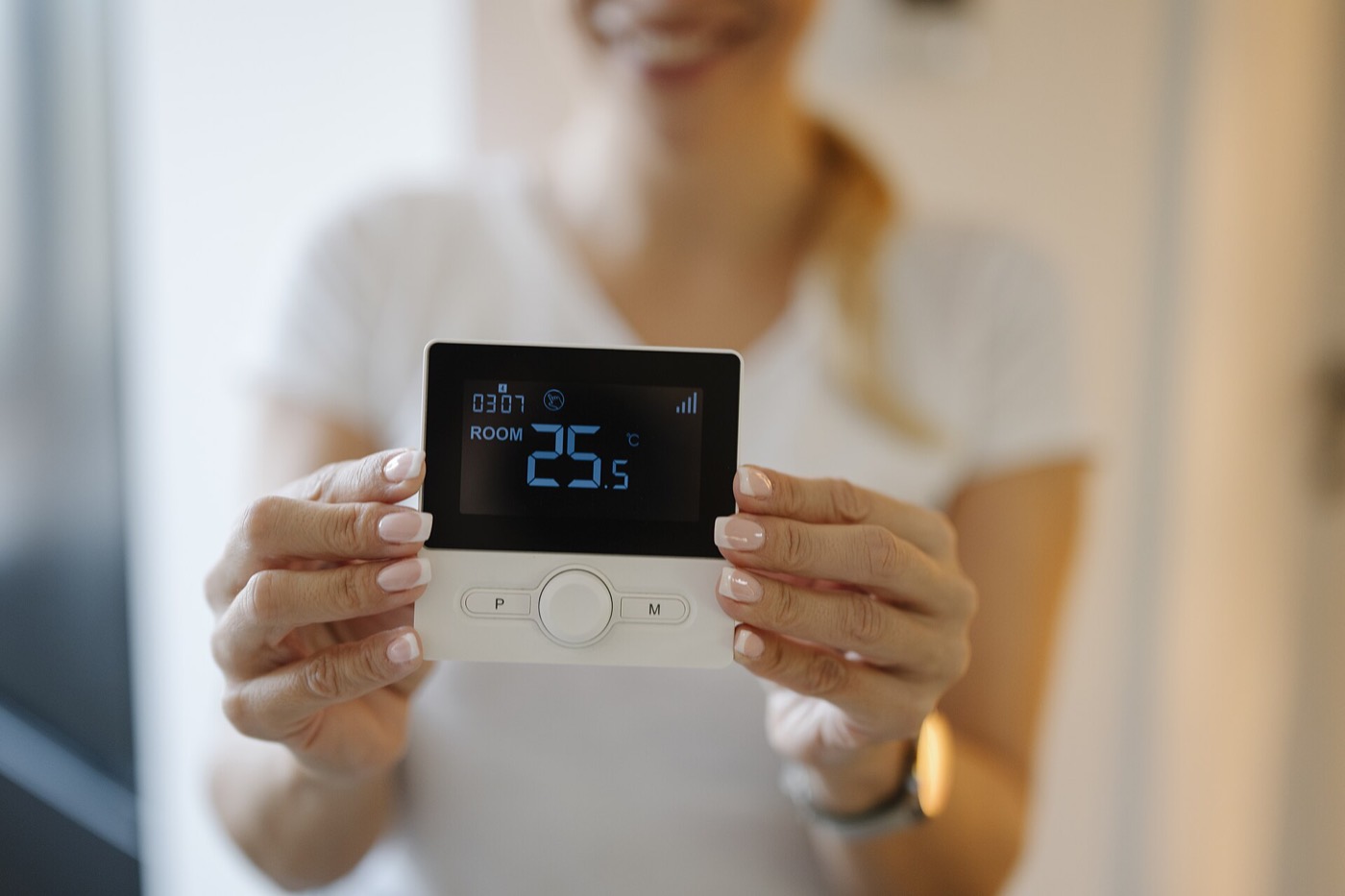
A thermostat in a cold draft or with a dead battery, a wrong setting or a fan left on "On" can all drive up use. See thermostat troubleshooting and best thermostat settings.
5. Heat pump running on backup heat
Electric heat strips use much more electricity than the heat pump itself. Big setbacks, low refrigerant or control problems can keep them running. See emergency heat vs aux heat and heat pump not heating.
6. Aging, low-efficiency furnace or boiler
Older equipment turns less of its fuel into heat, and efficiency can drop further without maintenance. See signs you need a new furnace and is a high-efficiency furnace worth it.
7. Skipped maintenance
Dirty burners, a weak flame and poor combustion waste fuel. An annual tune-up adjusts and cleans them.
8. Air leaks and poor insulation
Drafty windows, doors, attic hatches and rim joists let heat escape. Older homes in towns with many pre-1960 houses, such as Riverside, Red Bank or Perth Amboy, often have more of these. See how old homes are in each town.
9. Electric resistance heat
Baseboard heaters and electric furnaces cost more to run than most other heating. See how NJ homes heat.
10. Space heaters
Several space heaters running for hours can add up quickly on an electric bill. See space heater safety.
11. Hot water
Your water heater uses energy too, and more in winter because incoming water is colder. See water heater temperature setting.
12. Boiler and radiator issues
Air in the system, cold radiators and pressure problems make a boiler run longer for the same comfort. See cold radiators and boiler banging noises.
Quick diagnosis table
| What you notice | Likely cause |
|---|---|
| Usage up, weather much colder | Normal weather effect |
| Usage similar, total higher | Rate change |
| Furnace runs constantly | Undersized, leaky ducts, air leaks or a failing part |
| Furnace turns on and off rapidly | Short cycling: filter, flame sensor, sizing |
| Some rooms cold, others warm | Ducts, balancing or insulation |
| Electric bill spikes with a heat pump | Backup heat running too often |
| Higher bills and frequent repairs | Aging equipment |
What to fix first
Start with the cheapest fixes and work up:
- Change the filter
- Check thermostat settings and batteries
- Close gaps: weatherstrip doors, seal obvious drafts
- Book a tune-up: cleaning, combustion check, airflow and safety
- Seal and insulate ducts in unheated spaces
- Add attic insulation where it's thin
- Consider replacing old equipment when repairs and bills keep climbing
Smart thermostat habits
- Use moderate setbacks at night and while away
- With a heat pump, avoid big setbacks that trigger backup heat
- Keep the fan on Auto
- Don't put lamps or TVs near the thermostat, because their heat misleads it
When replacement pays off
If your furnace or boiler is old, low efficiency and needs repeated repairs, replacing it can lower bills and improve comfort. Compare options with your own bills, not general claims. New Jersey Natural Gas customers may qualify for rebates and 0% APR financing on a new high efficiency furnace, boiler or water heater through NJNG's SAVEGREEN program (provided by NJNG, not Prime Comfort Group; terms and eligibility apply; see savegreen.com). Financing through Synchrony is also available, subject to credit approval. See HVAC financing in New Jersey.
See lower your heating and cooling bills and furnace replacement in New Jersey.
A weekend energy check you can do yourself
- Feel for drafts around doors, windows, outlets on outside walls and the attic hatch on a windy day.
- Look at the attic insulation. If you can see the tops of the floor joists, there's probably not enough.
- Check exposed ducts in the basement, attic or garage for gaps, loose joints or missing insulation.
- Listen to the furnace. Does it run constantly, or turn on and off every few minutes?
- Check every room's vents are open and not blocked by furniture or rugs.
- Compare two bills: this month and the same month last year, noting usage and average temperature.
Write down what you find. It makes a service visit faster and more useful.
What a heating tune-up checks for efficiency
- Burner cleaning and flame quality
- Combustion analysis on gas furnaces and boilers
- Gas pressure and temperature rise
- Blower and airflow
- Filter and duct connections at the furnace
- Thermostat calibration and settings
- Flame sensor, igniter and safety controls
- Carbon monoxide testing
When to call right away
Some high-bill situations are also safety or breakdown warnings. Call us if:
- The furnace runs constantly but the house stays cold
- You hear new banging, grinding or squealing noises
- You see soot, rust or water around the furnace or boiler
- The heat pump's outdoor unit stays iced over for hours
- Your carbon monoxide alarm has sounded (call 911 first)
Catching these early usually means a smaller repair and a lower bill.
Heating tune-ups and repairs near you
Our own licensed team services every brand across all 153 towns in Ocean, Monmouth, Burlington and Middlesex counties, including Toms River, Manchester, Old Bridge and Willingboro.
Book an $89 heating tune-up online or call (732) 779-7106 (terms apply).
Frequently asked questions
Why is my heating bill so high all of a sudden?
Common reasons are a cold snap, a utility rate change, more time at home, or an equipment problem such as a clogged filter, short cycling, a stuck thermostat or a heat pump running on backup heat. Compare your usage with the same month last year to see which it is.
How do I know if my furnace is using too much gas?
Compare your gas usage (therms) with the same month last year and note how cold it was. If usage rose much more than the weather explains, or the furnace runs constantly or cycles rapidly, have it checked.
Why is my electric bill so high with a heat pump?
Heat pumps can rely on electric backup heat during cold snaps, defrost cycles or if something is wrong. Big thermostat setbacks can also trigger backup heat. A technician can check controls, refrigerant and airflow.
Will a new furnace lower my heating bill?
It can, especially if you replace an old, low-efficiency unit. But sealing ducts, fixing air leaks and maintaining your current system often help first. We can compare the options with your bills.
Do you offer energy-saving tune-ups?
Yes. Our $89 heating tune-up (terms apply) checks efficiency, airflow and safety, and we serve Ocean, Monmouth, Burlington and Middlesex counties.
HVAC Tune-Ups near you
We provide HVAC tune-ups in all 153 towns across Ocean, Monmouth, Burlington and Middlesex counties. Find your area:
Monmouth County (all 53 towns)
Too hot? Too cold? Let’s fix that today.
Book online in about a minute or call us for honest advice and an upfront quote. Same day service across Ocean, Monmouth, Burlington and Middlesex counties.
- $50 off your first repair (new customers, terms apply)
- 24/7 emergency line
- Upfront quotes
- No hidden fees
- Licensed & family owned


Install our app
On your iPhone or iPad, in Safari:
- Tap the Share button ↑︎ at the bottom of the screen
- Scroll down and tap Add to Home Screen
- Tap Add. The app appears on your home screen
Using Chrome on iPhone? Tap the share icon in the address bar, then Add to Home Screen.
On your Android phone, in Chrome:
- Tap the menu ⋮ at the top right
- Tap Install app (or Add to Home screen)
- Tap Install. The app appears on your home screen
No app store, no sign-up needed. Book service, track appointments and see your invoices and receipts.