
In this guide
Quick answer: If your heat pump isn't heating, check that the thermostat is set to Heat and above room temperature, replace a dirty filter, and make sure the outdoor unit isn't blocked by snow, ice or debris. Heat pump air naturally feels cooler than furnace air, and brief cool air during defrost is normal. If the house still won't warm up, the outdoor unit is encased in ice, or the system runs constantly without heating, call for heat pump repair; you can switch to emergency heat in the meantime.
Heat pumps are efficient and increasingly common across New Jersey, from inland towns like Jackson and Lumberton to Barnegat and East Brunswick. They also behave differently from furnaces, which leads to a lot of "is this normal?" questions.
First: is it actually broken?
Heat pump air is warm, often around 90°F at the vents, but it feels cooler than the 120°F-plus air from a gas furnace. On very cold days the heat pump runs longer and steadier rather than in short bursts. Put your hand (or a thermometer) at a vent: warm air means it's working. If the house is maintaining the thermostat setting, it's doing its job.
Quick checks
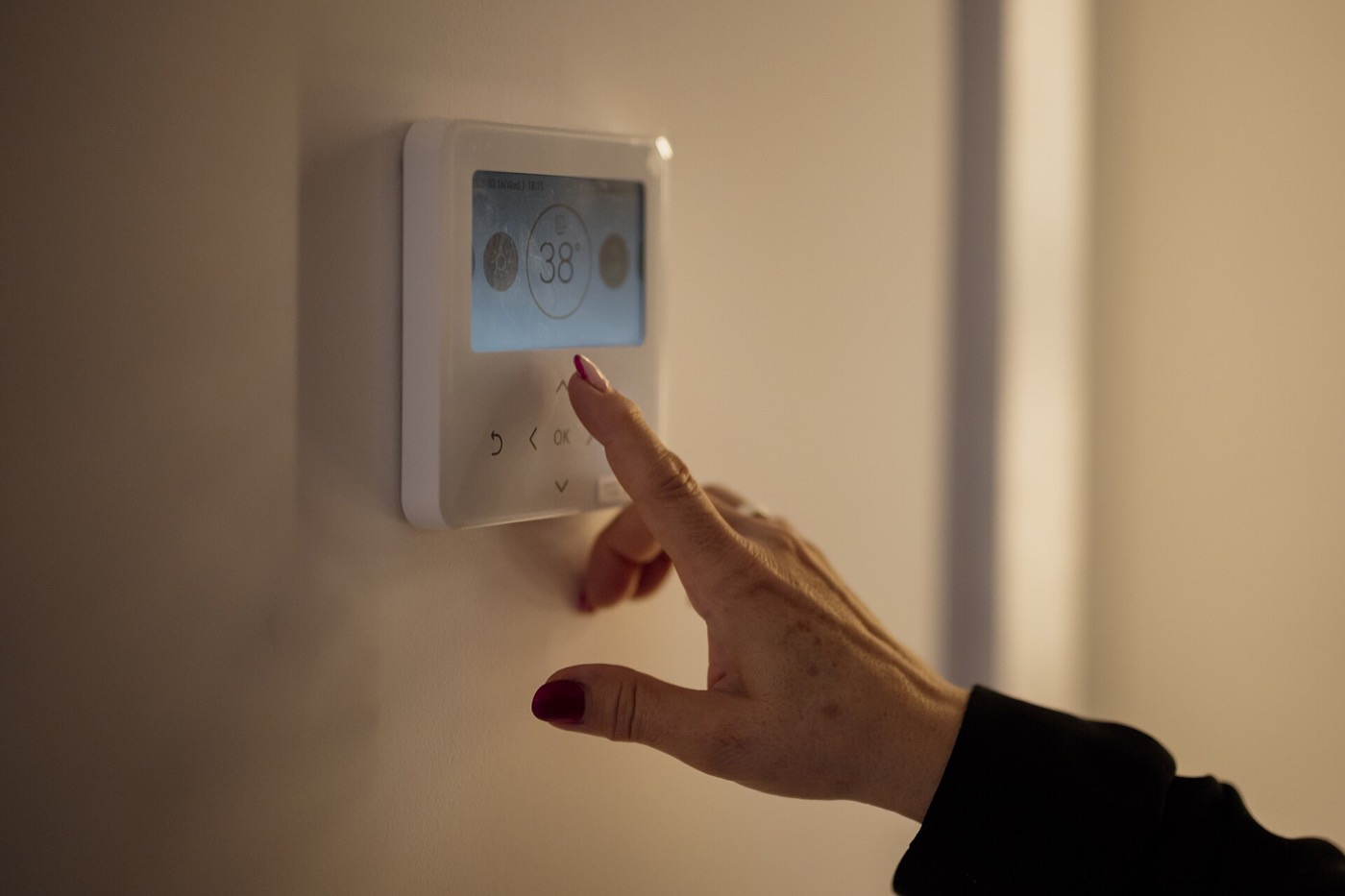
- Thermostat: set to Heat (not Cool or Auto with odd settings) and a few degrees above room temperature. Replace batteries if the display is weak. See thermostat not working.
- Filter: a clogged filter restricts airflow and reduces heating. See our air filter guide.
- Breakers: heat pumps usually have two breakers, one for the outdoor unit and one for the indoor air handler. Check both.
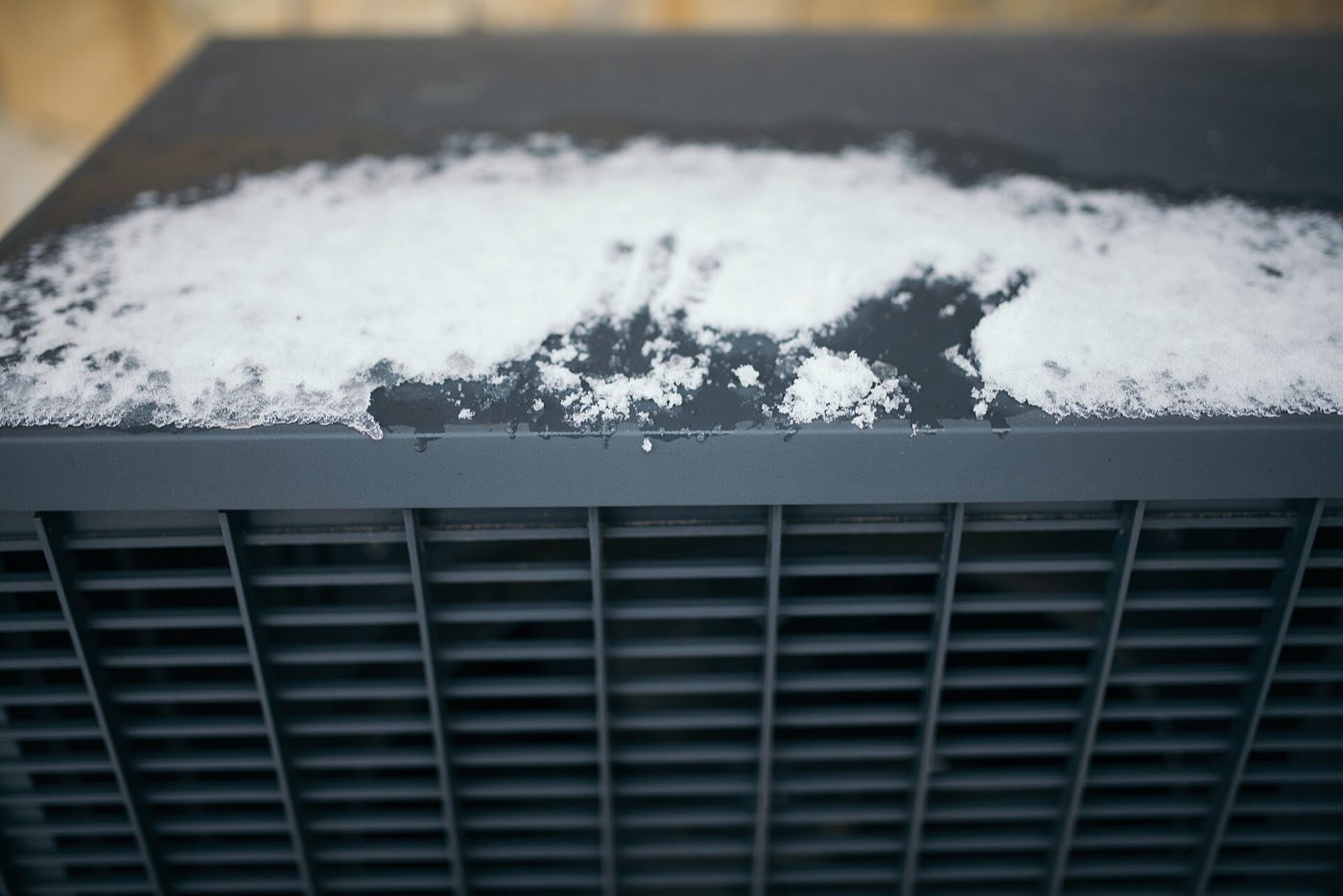
- Outdoor unit: clear snow, ice, leaves and debris. Keep at least a foot or two of clearance, and make sure gutters aren't dripping onto it.
- Vents and registers: open and unblocked by furniture or rugs.
Frost, ice and the defrost cycle
In cold, damp weather, frost forms on the outdoor coil. The heat pump periodically runs a defrost cycle: it briefly reverses to send heat to the outdoor coil and melt the frost. During defrost you may notice:
- A whooshing sound as the reversing valve switches
- Steam rising from the outdoor unit
- The outdoor fan stopping for a few minutes
- Slightly cooler air indoors (backup heat often runs to compensate)
This is normal. What isn't normal: a unit encased in thick ice, ice building up on the top or inside the fan, or frost that never clears. That points to a defrost control problem, low refrigerant, a failed outdoor fan motor or water dripping onto the unit.
Common causes when a heat pump won't heat
- Low refrigerant from a leak. Heat pumps need the correct charge to move heat; topping off without fixing the leak is a short-term fix at best. See refrigerants.
- Stuck reversing valve: the valve that switches between heating and cooling can stick, leaving the system cooling when it should heat.
- Failed defrost board or sensor: leads to ice buildup and reduced heating.
- Outdoor fan motor or capacitor failure: the unit can't move air across the coil.
- Compressor or contactor problems: the outdoor unit doesn't run at all.
- Backup heat issues: auxiliary heat strips or a dual-fuel furnace not working on the coldest days.
- Undersized system or very cold temperatures: older heat pumps lose capacity as temperatures drop; backup heat should help.
Aux heat and emergency heat
"Aux heat" on the thermostat means backup heat is helping, which is normal during defrost and cold weather. "Emergency heat" is a manual setting that runs only the backup heat. If your heat pump has failed, switching to emergency heat keeps you warm until repair, but it costs more to run. Read emergency heat vs. aux heat.
Prevent heat pump problems
- Schedule a fall tune-up: refrigerant check, defrost test, electrical and coil cleaning
- Change filters regularly through the winter
- Keep the outdoor unit clear and slightly elevated above snow
- Use moderate thermostat setbacks; big swings trigger expensive backup heat (see thermostat settings)
More in heat pumps in New Jersey winters.
Understanding the defrost cycle
It's normal for a heat pump to go into defrost mode in cold, damp weather. During defrost, the system briefly reverses to warm the outdoor coil and melt frost. You may notice:
- The outdoor fan stops while the unit keeps running
- Steam rising from the outdoor unit
- A whooshing sound when the cycle starts and ends
- Cooler air from vents for a few minutes (backup heat often covers this)
A defrost cycle usually lasts a few minutes. What's not normal is an outdoor unit that stays encased in thick ice, ice building up on the top or sides for hours, or a unit that never seems to finish defrosting. That points to a problem with the defrost control, a sensor, low refrigerant or an outdoor fan issue, and the system should be checked.
Helping your heat pump in winter
- Keep snow, ice and leaves at least a foot or two away from the outdoor unit
- Make sure gutters don't drip directly onto the unit, where water can refreeze
- Avoid big thermostat setbacks; recovering from a large setback may bring on backup heat
- Change filters regularly; restricted airflow reduces heating performance
- Schedule a tune-up before winter
Heat pump repair near you
We repair heat pumps of all brands across Ocean, Monmouth, Burlington and Middlesex counties, including heating repair in Jackson, East Brunswick and Lumberton. Book online or call for same day service; for no heat on a freezing night, we offer 24/7 emergency service.
Frequently asked questions
Why is my heat pump blowing cold air?
Heat pump air is typically around 90°F, which feels cooler than furnace air. If the air is truly cool, the unit may be in defrost, the thermostat may be set wrong, or there may be a refrigerant, reversing valve or control problem.
Is it normal for a heat pump to ice up?
A light layer of frost in cold, damp weather is normal, and the defrost cycle clears it. A unit covered in thick ice or blocked by ice means defrost is not working or airflow is restricted.
What does the defrost cycle sound like?
You may hear a whoosh as the reversing valve shifts, see steam rising from the outdoor unit and notice the outdoor fan stop for a few minutes. This is normal.
Should I switch to emergency heat if my heat pump is not heating?
If the heat pump has failed, switching to emergency heat keeps you warm until it is repaired. Emergency heat costs more to run, so call for service promptly.
Do you repair heat pumps?
Yes. Prime Comfort Group repairs heat pumps of all brands across Ocean, Monmouth, Burlington and Middlesex counties, with same day service and 24/7 emergency help.
Too hot? Too cold? Let’s fix that today.
Message us on WhatsApp and our team will get back to you with honest advice and an upfront quote. Same day service across Ocean, Monmouth, Burlington and Middlesex counties.
- Upfront quotes
- No hidden fees
- Licensed & family owned


Install our app
On your iPhone or iPad, in Safari:
- Tap the Share button ↑︎ at the bottom of the screen
- Scroll down and tap Add to Home Screen
- Tap Add. The app appears on your home screen
Using Chrome on iPhone? Tap the share icon in the address bar, then Add to Home Screen.
On your Android phone, in Chrome:
- Tap the menu ⋮ at the top right
- Tap Install app (or Add to Home screen)
- Tap Install. The app appears on your home screen
No app store, no sign-up needed. Book service, track appointments and see your invoices and receipts.