
In this guide
"Heat pumps don't work in the cold." If you've been around New Jersey long enough, you've probably heard that. Twenty or thirty years ago, there was some truth to it. Today it's mostly a myth, but there are real limits worth understanding before you buy. Here's an honest look.
What a heat pump actually is
A heat pump is an air conditioner that can run in reverse. In summer, it moves heat from inside your home to the outside, just like a central AC. In winter, it pulls heat from the outdoor air (yes, even cold air contains heat) and moves it inside.
Because it moves heat rather than creating it by burning fuel or running electric resistance coils, a heat pump can deliver two to three or more units of heat for every unit of electricity it uses in moderate weather. That's what makes it so efficient.
How cold is too cold?
This is where the old reputation comes from. Standard heat pumps from past decades lost capacity quickly as temperatures dropped into the 20s, and they leaned heavily on expensive electric backup heat.
Modern cold-climate heat pumps use variable-speed (inverter) compressors and improved refrigerant systems. Many are designed to keep producing useful heat at 5°F and below, and some models keep operating around -15°F. Their output does drop as it gets colder, so proper sizing is important.
Along the Jersey Shore, the ocean moderates winter temperatures. Single-digit nights are uncommon in coastal towns like Toms River, Brick or Point Pleasant. Inland, in towns like Jackson, Manchester, Lakewood and Medford, nights run colder, and that's where sizing and backup heat decisions matter most.
Three ways to use a heat pump in New Jersey
1. All-electric heat pump with backup strips
The heat pump does the work, with electric resistance heat strips in the air handler as backup for the coldest hours and during defrost. This works well when the heat pump is sized for cold weather and the home is reasonably well insulated.
2. Dual-fuel (heat pump + gas furnace)
A heat pump paired with a gas furnace. The heat pump handles spring, fall and most winter days; the furnace takes over automatically below a set outdoor temperature. This is a popular choice for homes that already have natural gas and a furnace in decent shape, or homes with large heating loads.
3. Ductless mini-splits
For homes without ductwork, additions, finished attics or rooms that never get comfortable, ductless systems put small indoor units in individual rooms. Ask us whether this fits your home.
Who benefits most from a heat pump?
- Homes heating with oil, propane or electric baseboard. These are typically the most expensive ways to heat, so a heat pump often cuts costs significantly.
- Homes that need a new AC anyway. A heat pump costs more than a straight AC, but adds efficient heat from the same outdoor unit.
- Homes with an aging furnace and AC. Replacing both with a heat pump (or dual-fuel system) handles everything at once.
- Additions and problem rooms. Ductless units solve comfort issues without major construction.
Homes with inexpensive natural gas and a newer, efficient furnace may see a smaller savings difference. In that case, a dual-fuel setup or simply replacing the AC with a heat pump (keeping the furnace) can be a good middle ground.
What heat pump heat feels like
Heat pumps deliver air that's warm, often in the 90s°F at the vent, rather than the hotter blast you get from a gas furnace. They tend to run longer, steadier cycles. That means more even temperatures, but if you're used to a furnace, it can feel different at first. Many homeowners end up preferring the steadier comfort.
Defrost cycles are normal
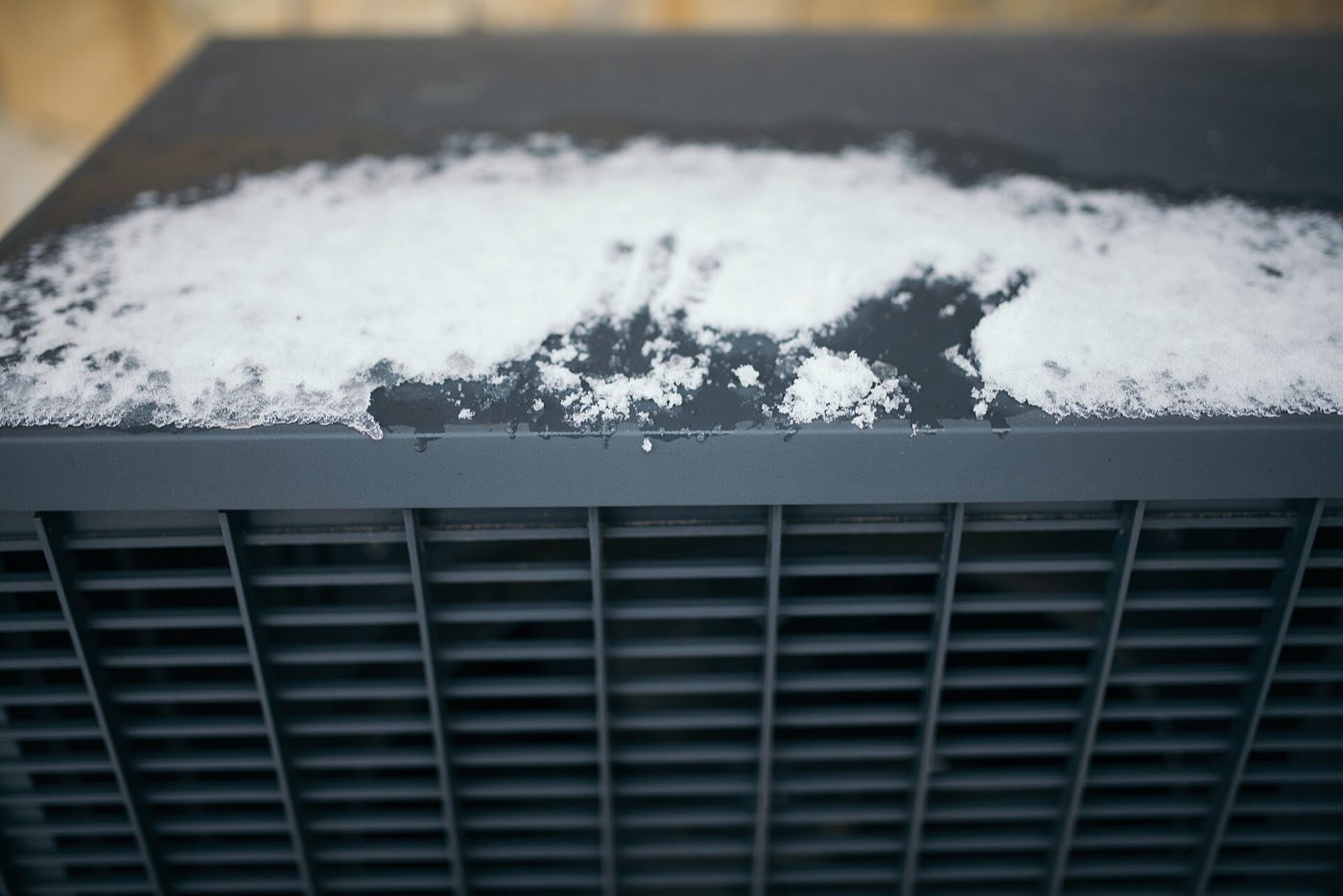
In cold, damp weather, which is very common near the coast, frost forms on the outdoor coil. The heat pump periodically runs a short defrost cycle, which can produce steam and a whooshing sound. That's normal. Call for service if:
- Ice builds up and doesn't clear.
- The outdoor fan isn't running.
- The house won't warm up and auxiliary heat runs constantly.
Sizing and installation make or break it
A heat pump that's sized just for summer cooling may be too small for winter heating, and an oversized one will short-cycle and control humidity poorly in summer. A proper load calculation looks at your insulation, windows, air leakage and ductwork. Read our sizing guide for why this matters.
Ductwork is just as important. Heat pumps move more air at lower temperatures than furnaces, so leaky or undersized ducts can leave rooms cold.
Efficiency ratings to look for
Heat pumps are rated with SEER2 for cooling and HSPF2 for heating. Federal minimums for new heat pumps took effect in 2023, and higher-rated models use less electricity. Our efficiency ratings guide explains what the numbers mean.
Incentives
Utility and NJ Clean Energy Program incentives have often been available for qualifying high-efficiency heat pumps. Programs and amounts change, so check current offerings or ask us when we quote your system.
Our honest recommendation
Heat pumps are a great fit for many New Jersey homes, but not automatically the right choice for every one. We'll look at your home, your current fuel and your budget, then give you honest options, whether that's a cold-climate heat pump, a dual-fuel system or a high-efficiency furnace with a new AC. See our furnace and heat pump installation service, or message us on WhatsApp to set up an assessment in Lakewood, Jackson, Howell or anywhere we serve.
Frequently asked questions
At what temperature does a heat pump stop working?
Older standard heat pumps lose much of their capacity in the 20s°F and below. Modern cold-climate models are designed to keep producing useful heat at 5°F and lower, and some operate around -15°F. Capacity drops as it gets colder, which is why sizing and backup heat matter.
Is a heat pump cheaper to run than a gas furnace in NJ?
It depends on your current electricity and gas rates, the efficiency of each system and how your home is built. Heat pumps are very efficient, but natural gas is often inexpensive. Homes heating with oil, propane or electric baseboard usually see the biggest savings from a heat pump.
What is a dual-fuel heat pump system?
A dual-fuel system pairs an electric heat pump with a gas furnace. The heat pump handles heating most of the year, and the furnace automatically takes over on the coldest days or when it's more economical.
Why is steam coming off my heat pump in winter?
That's the defrost cycle. In cold, damp weather, frost builds up on the outdoor coil, and the heat pump briefly reverses to melt it. Steam and a short pause in heat are normal; ice that builds up and stays is not.
Can a heat pump replace my air conditioner?
Yes. A heat pump is an air conditioner that can also run in reverse to heat. If your AC needs replacing, a heat pump gives you cooling plus efficient heating from the same outdoor unit.
Too hot? Too cold? Let’s fix that today.
Message us on WhatsApp and our team will get back to you with honest advice and an upfront quote. Same day service across Ocean, Monmouth and Burlington counties.
- Upfront quotes
- No hidden fees
- Licensed & family owned