
In this guide
If you live in Seaside Heights, Lavallette, Point Pleasant Beach, Manasquan, Belmar or anywhere along Barnegat Bay, your air conditioner is fighting a battle that inland units never face: salt. The same ocean breeze that makes shore living so good is slowly eating away at the outdoor half of your cooling system.
This guide explains what salt air actually does to an AC unit, how to spot the damage early, and the practical steps that make a coastal system last.
What salt air does to an air conditioner
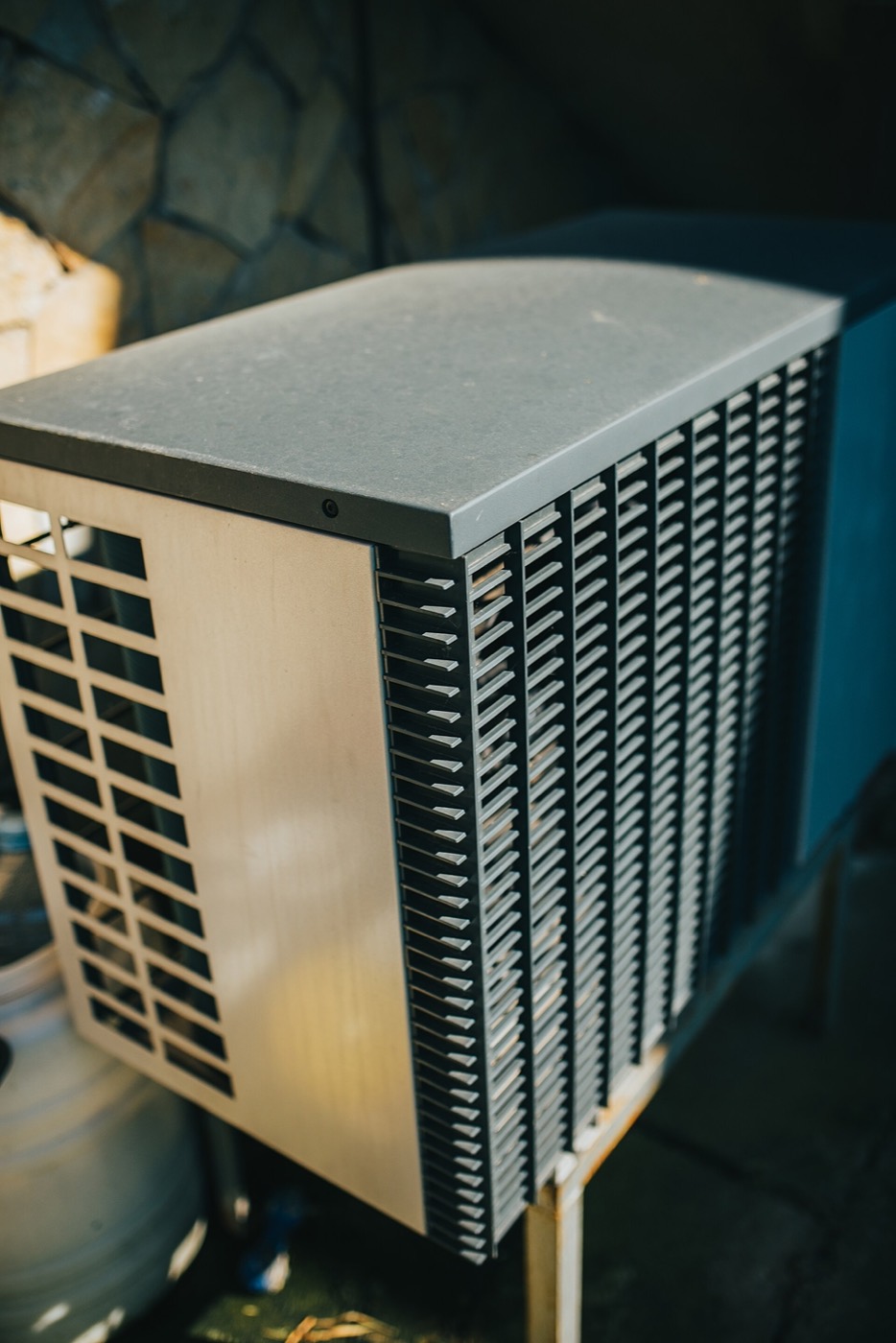
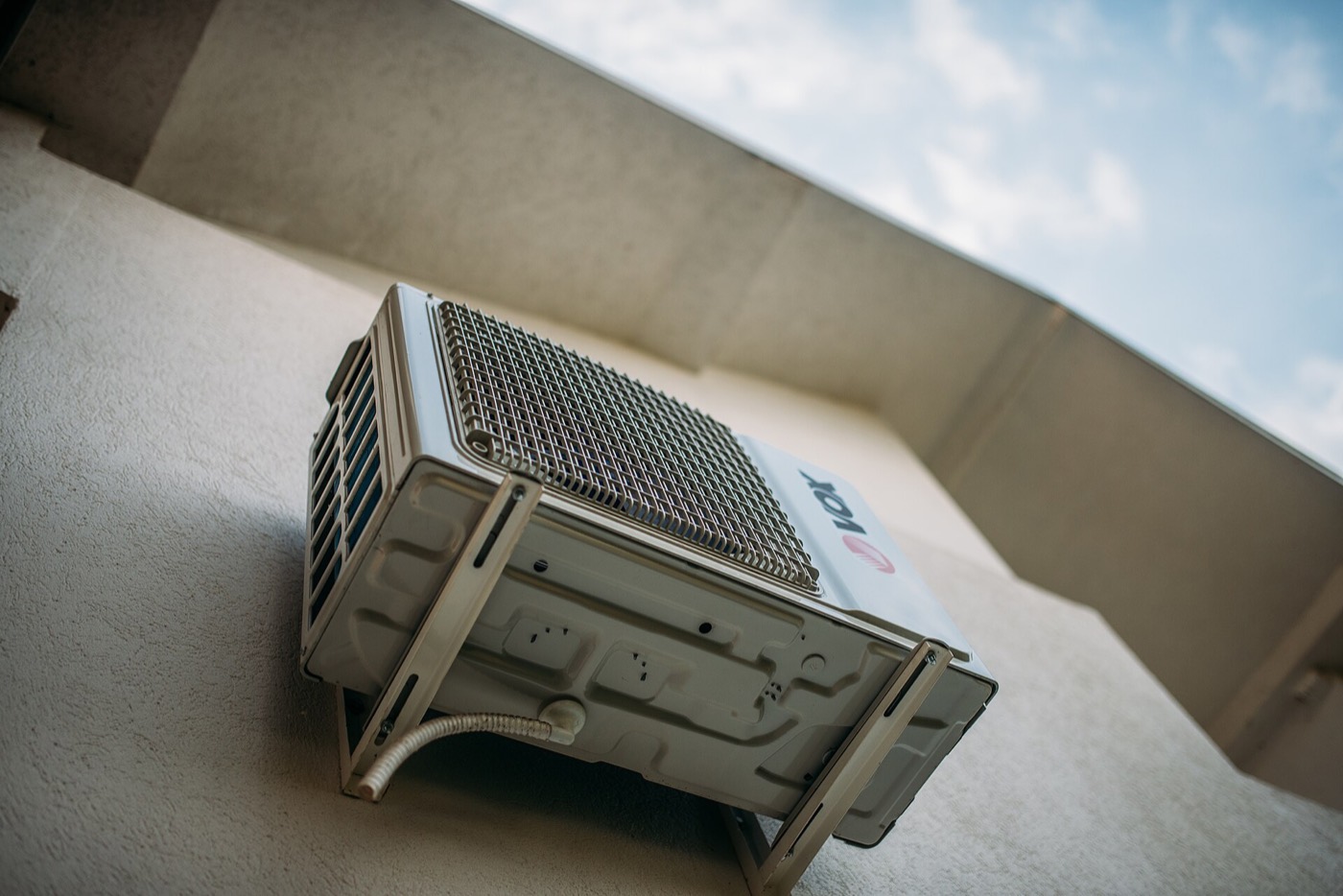
Your outdoor unit (the condenser) works by moving huge volumes of outdoor air across a coil of thin aluminum fins and copper tubing. Along the Jersey Shore, that air carries tiny droplets of salt water. When the moisture evaporates, the salt stays behind and builds up on every surface.
Salt is hygroscopic: it pulls moisture out of the air and holds it against the metal. That constant damp, salty film speeds up galvanic corrosion, especially where aluminum fins touch copper tubes. Over time you get:
- Fin corrosion. Fins turn white and powdery, crumble, and stop transferring heat.
- Coil leaks. Corrosion eventually pits the tubing, causing slow refrigerant leaks.
- Electrical failures. Contactors, capacitor terminals and wiring connections corrode, causing hard starts and failures on the hottest days.
- Cabinet and fastener rust. Screws, brackets and base pans rust out, especially on older steel cabinets.
- Fan motor wear. Bearings and motor housings degrade faster in salty, humid air.
A condenser with corroded fins can't release heat efficiently, so the system runs longer, uses more electricity and struggles to keep the house cool and dry.
Which shore homes are most at risk?
Exposure depends on distance, wind and placement:
| Location | Typical salt exposure |
|---|---|
| Barrier island, oceanfront blocks (Seaside Park, Ortley Beach, Bay Head) | Very high |
| Oceanfront mainland towns (Long Branch, Belmar, Manasquan) | High |
| Bay, river and lagoon homes (Brick, Toms River, Forked River, Brielle) | Moderate to high |
| A few miles inland (Wall, Howell, Jackson) | Low to moderate |
Equipment placement matters as much as distance. Condensers on rooftops and elevated platforms, which are common on homes raised after Hurricane Sandy, catch more wind-driven spray than units tucked beside the house.
Warning signs of salt damage
Walk out and look at your condenser. Call for service if you notice:
- White, chalky or flaking fins, or fins that crumble when brushed lightly.
- Rust streaks on the cabinet, base pan or fasteners.
- Ice on the copper lines or the AC running constantly without cooling well (possible refrigerant leak).
- Clicking, humming or a fan that won't start, often a corroded capacitor or contactor.
- Higher electric bills with no change in how you use the system.
Catching corrosion early can mean a cleaning and a new electrical part instead of a new coil or a whole new system. If your AC is running but not cooling, salt damage is one of the first things we check on shore homes.
7 ways to protect your AC from salt air
1. Rinse the coil with fresh water
This is the single most effective thing you can do yourself. Every two to four weeks in summer (more often on oceanfront blocks), and after storms:
- Turn off power at the outdoor disconnect.
- Use a garden hose with normal pressure, never a pressure washer.
- Rinse from the top down, letting water wash salt and sand off the fins.
2. Keep the area clear
Maintain at least two feet of clearance around the condenser. Dune grass, shrubs, fences and stored items trap salt-laden moisture and restrict airflow.
3. Schedule an annual professional tune-up
A tune-up includes a proper coil cleaning, checks of electrical connections and refrigerant pressures, and early detection of corrosion. Our $89 tune-up special and the Prime Comfort Club ($19/month for a heating and an AC tune-up each year) make this easy to keep up with.
4. Ask about protective coatings
Factory or field-applied coil coatings create a barrier between salt and metal. They're a smart option for barrier island and oceanfront homes, either on new equipment or applied to a newer coil in good condition.
5. Choose corrosion-resistant equipment when replacing
When it's time for a new air conditioner, ask about coated or all-aluminum coils, composite or coated base pans, and stainless or coated hardware. These features cost a little more up front and can add years of life at the shore.
6. Don't wrap the unit in plastic for winter
It's tempting to cover the condenser in the off-season, but fully wrapping it traps moisture and salt against the coil. A breathable top cover that keeps debris out while letting air move is fine. A heat pump should never be covered while it's in use.
7. Elevate and secure it properly
In flood-prone areas, condensers belong on a platform above the flood elevation, anchored for high winds. If your equipment was put back at ground level after a storm, it may be worth moving. Our guide to HVAC after flooding covers this in more detail.
Repair or replace a salt-damaged unit?
If the corrosion is mostly cosmetic and the coil is holding refrigerant, cleaning, new electrical parts and a coating can buy years of service. If the coil is leaking, the unit is over 12–15 years old, or it uses phased-out R-22 refrigerant, replacement usually makes more financial sense. Our repair-or-replace guide walks through the numbers.
Either way, we'll show you what we find and give you an upfront price for each option, so you can decide with clear information.
Local help for shore homeowners
We are based in Pine Beach and service shore towns across Ocean and Monmouth counties, from Seaside Heights and Lavallette to Manasquan and Long Branch. If your outdoor unit is showing salt damage, or you just want it cleaned and checked before summer, message us on WhatsApp for same day service and honest advice.
Frequently asked questions
How close to the ocean does salt air affect an air conditioner?
The heaviest exposure is on barrier islands and oceanfront blocks, but salt-laden air regularly travels a mile or more inland on onshore winds, and bayfront homes on Barnegat Bay also see it. If you can smell the ocean from your yard, your condenser is getting salt.
Can I pressure wash my AC condenser to remove salt?
No. A pressure washer bends the thin aluminum fins and can force water into electrical parts. Turn the power off at the disconnect and rinse gently with a garden hose from the inside out or top down, using normal household water pressure.
How long does an AC last near the ocean?
Coastal units often wear out years sooner than identical units inland. Regular rinsing, annual maintenance and corrosion-resistant equipment can recover much of that lost lifespan.
Are coated coils worth it at the Jersey Shore?
For homes on barrier islands and oceanfront or bayfront streets, protective coil coatings and corrosion-resistant cabinets are usually worth considering because coil failure is one of the most expensive repairs on a coastal system.
How often should a shore home get an AC tune-up?
At least once a year, ideally in spring before cooling season. Oceanfront and rental properties benefit from a mid-summer coil check as well.
Too hot? Too cold? Let’s fix that today.
Message us on WhatsApp and our team will get back to you with honest advice and an upfront quote. Same day service across Ocean, Monmouth and Burlington counties.
- Upfront quotes
- No hidden fees
- Licensed & family owned