
In this guide
It's 92 degrees in Toms River, the humidity is brutal, and your air conditioner is running, but the air coming out of the vents feels lukewarm. Before you assume the worst, know that many "AC not cooling" problems have simple causes, and a few quick checks can save you a service call or help you describe the problem when you do call.
Below are nine things to check, in order from easiest to most technical, plus clear signs that it's time to bring in a pro.
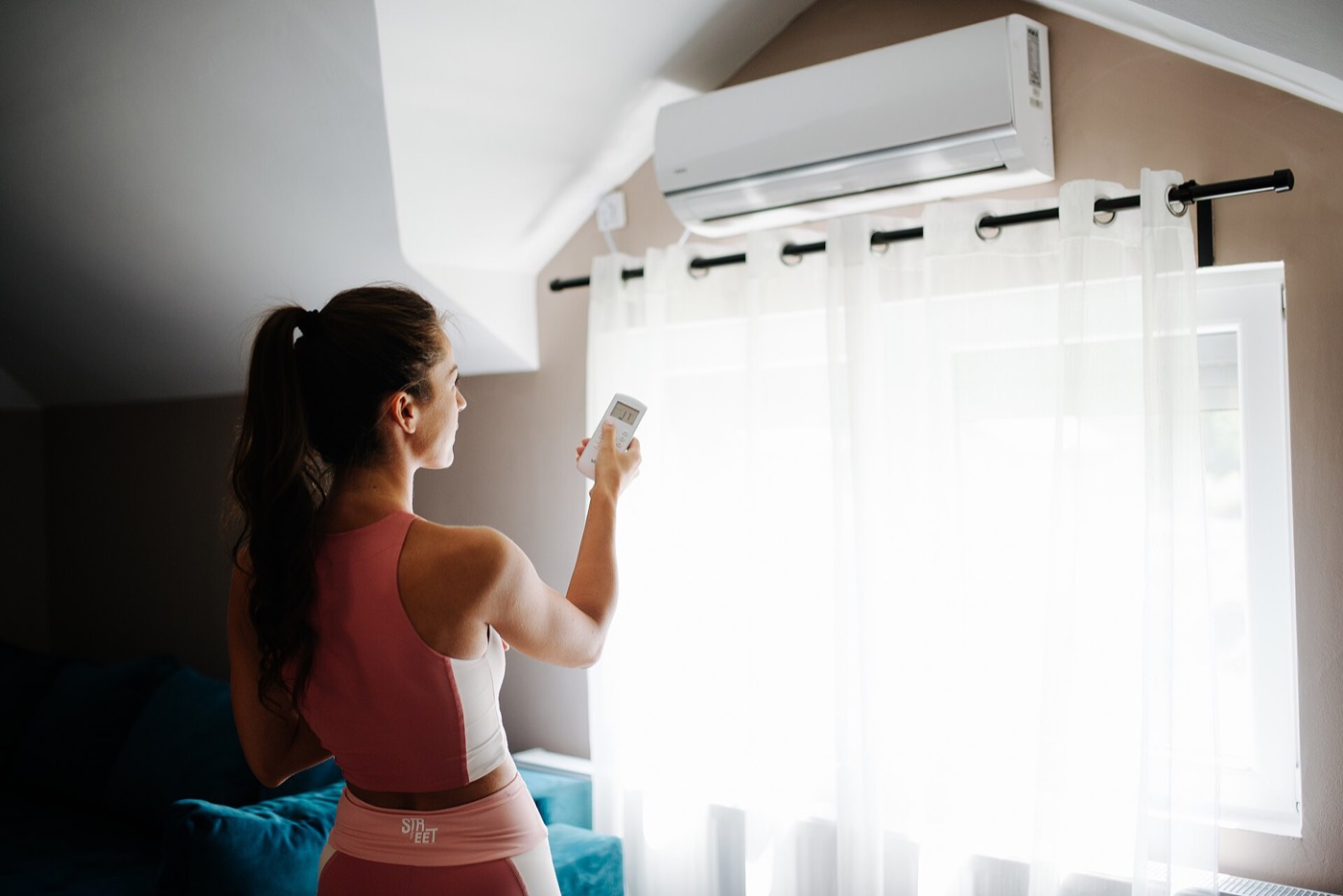
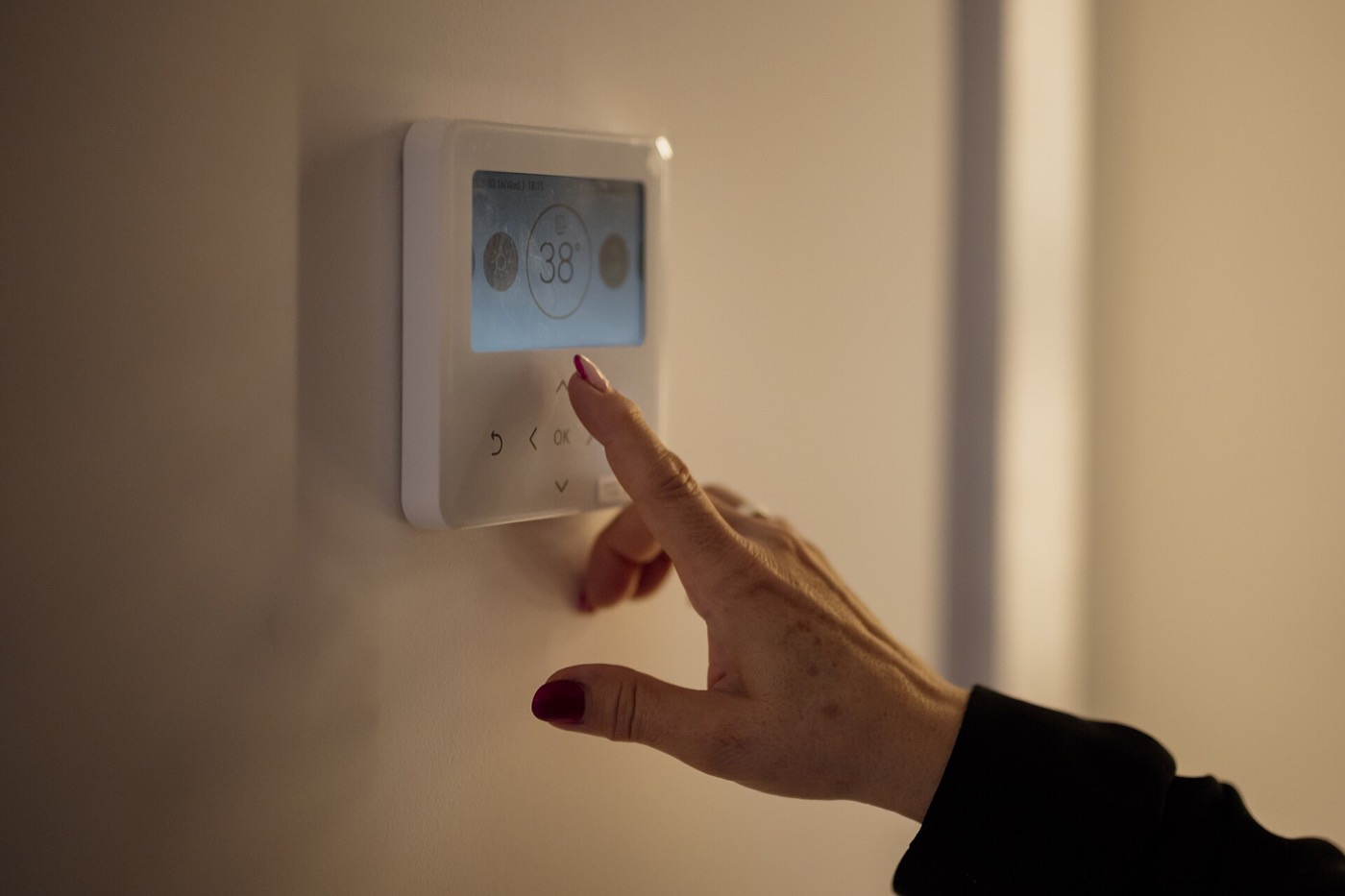
1. Check the thermostat settings
It sounds obvious, but it's the most common fix:
- Make sure it's set to Cool, not Heat or Off.
- Set the fan to Auto, not On. With the fan "On," air keeps blowing even when the AC isn't cooling, which feels like warm air.
- Lower the set point a few degrees below room temperature.
- Replace the batteries if the screen is dim or blank.
Smart thermostats can also run schedules or "eco" modes that override what you expect. Check the app.
2. Replace the air filter
A clogged filter is the number one cause of poor cooling we see. It chokes airflow across the indoor coil, which reduces cooling and can cause the coil to freeze. During humid shore summers with windows opening and closing, filters load up fast. Most 1-inch filters should be changed every 1–3 months. See our air filter guide for sizes and MERV ratings.
3. Look for ice
Open the access panel near the indoor unit, or look at the larger copper line going into the outdoor unit. If you see frost or ice:
- Turn the system to Off and the fan to On to help it thaw (this can take several hours).
- Replace the filter.
- Once fully thawed, try cooling again.
If it freezes again, the cause is usually low refrigerant (a leak), a failing blower motor or a dirty coil. Those need a technician.
4. Check breakers and the outdoor disconnect
Central air uses two circuits: one for the indoor air handler or furnace and one for the outdoor condenser. If the indoor fan runs but the outdoor unit is silent, check your electrical panel for a tripped breaker, and make sure the disconnect box beside the outdoor unit is on. If a breaker trips again right away, don't keep resetting it. That points to an electrical or compressor problem.
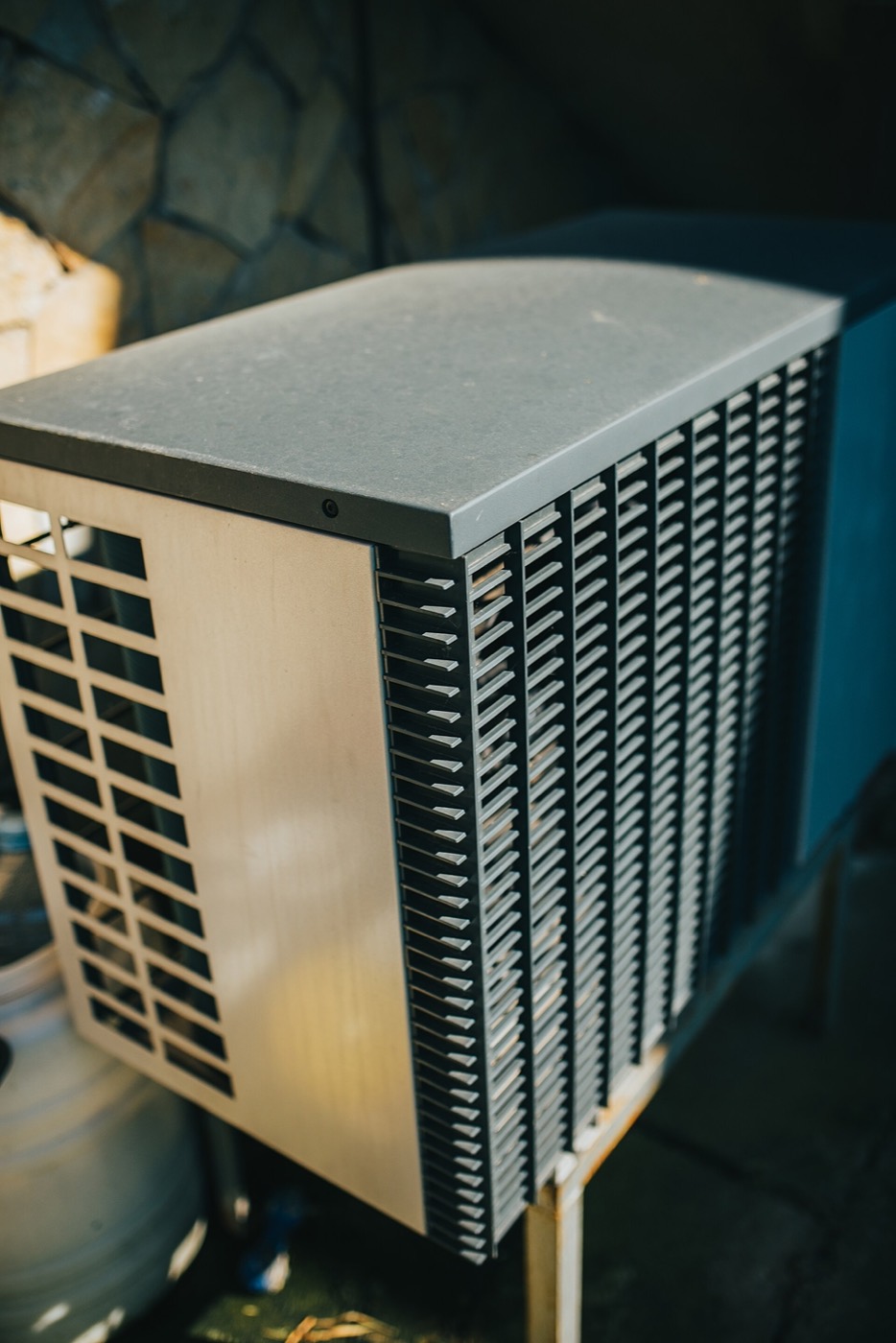
5. Listen to the outdoor unit
Go outside while the AC is calling for cooling:
- Fan spinning and compressor humming: normal.
- Humming but the fan isn't spinning: often a failed capacitor, one of the most common summer repairs. Turn the system off and call; don't poke the fan with a stick, as the unit has high voltage.
- Clicking with nothing starting: could be a contactor, capacitor or control problem.
- Completely silent: check the breaker and disconnect, then call.
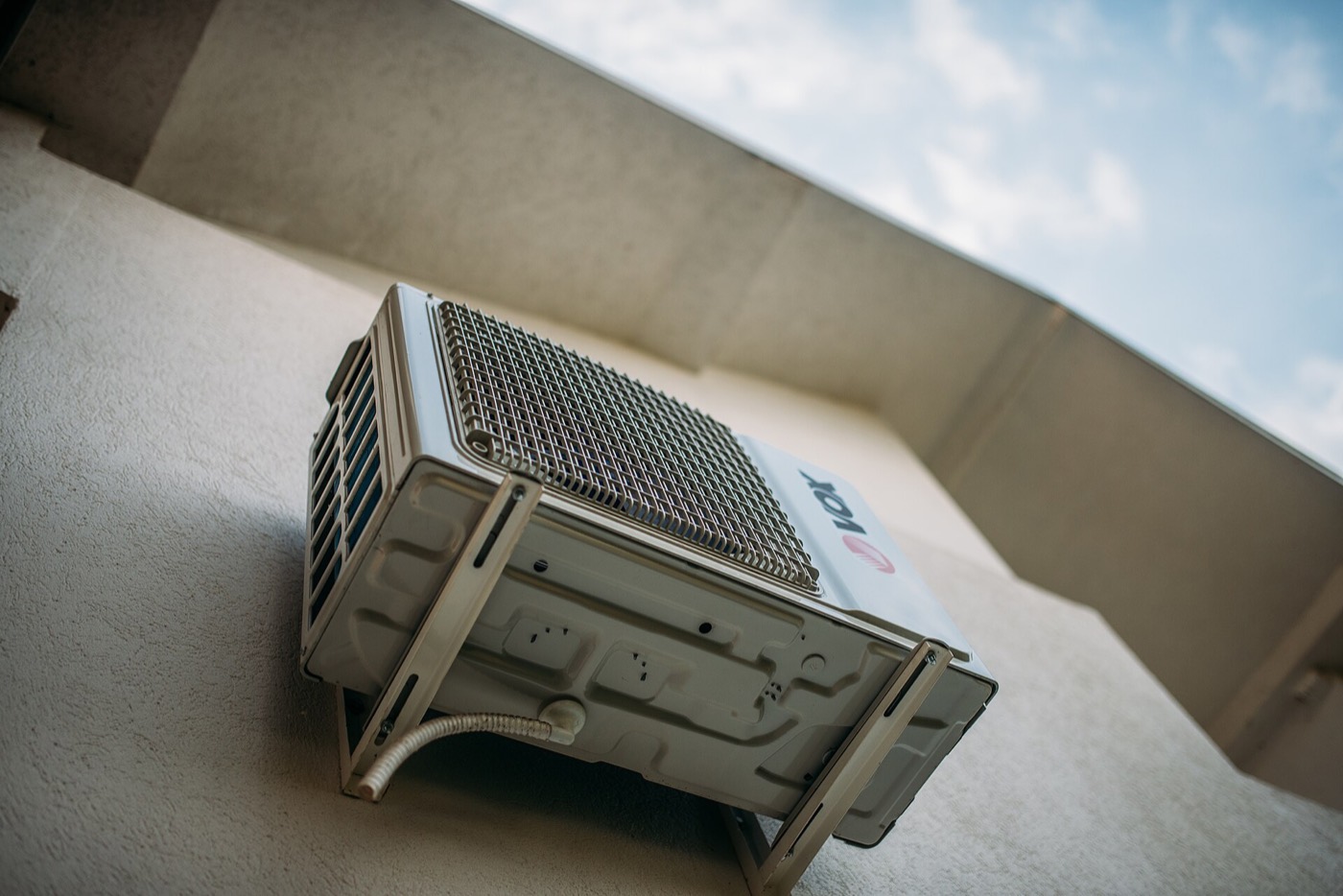
6. Clean around the condenser
The outdoor coil has to release heat from your house. If it's packed with grass clippings, cottonwood fluff, leaves, or salt and sand at the shore, it can't do that efficiently. Turn the power off and rinse the coil gently with a hose. Keep two feet of clearance around the unit. Homes near the ocean should read our guide to salt air and AC corrosion.
7. Check the condensate drain
Your AC pulls gallons of water out of humid air every day. If the drain line clogs, a float switch may shut the system off to prevent a leak, or water can back up into the pan. Look for water around the indoor unit or a full secondary pan. A wet/dry vacuum on the outdoor end of the drain line can sometimes clear it.
8. Check vents and returns
Make sure supply vents are open and not blocked by furniture or rugs, and that return grilles aren't covered. Closing too many vents doesn't save energy. It raises pressure and can freeze the coil.
9. Consider the heat load and the system's size
On the hottest, most humid days, even a healthy system may run continuously and only hold the house 15–20 degrees below outdoor temperature. Upstairs rooms in Cape Cods and split-levels are often warmer than the rest of the house. If it's never been comfortable, the system or ductwork may be undersized, or the AC may be oversized and short-cycling. Our AC sizing guide explains why bigger isn't better.
When to call a professional
Call for AC repair if:
- The coil keeps freezing after a new filter.
- The outdoor unit hums, clicks or won't start.
- A breaker trips repeatedly.
- You hear grinding, screeching or banging.
- You smell burning or see oily residue on refrigerant lines (a possible leak).
- The system is cooling but bills have jumped sharply.
Low refrigerant always means a leak somewhere. "Topping off" without finding and fixing the leak is a temporary, expensive band-aid. Refrigerant work also requires EPA certification.
Common causes and typical fixes
| Symptom | Likely cause | Typical fix |
|---|---|---|
| Weak airflow, ice on coil | Dirty filter or coil, low airflow | New filter, coil cleaning, blower check |
| Outdoor fan not spinning | Failed capacitor or fan motor | Replace capacitor or motor |
| Warm air, hissing, oily lines | Refrigerant leak | Leak search and repair, recharge |
| Short cycling | Oversized system, thermostat placement, low charge | Diagnosis, adjustment or proper sizing |
| Water around unit, system off | Clogged condensate drain | Clear drain, check float switch |
What a repair visit looks like with us
When you message us, we'll ask a few quick questions (photos help!) and schedule a visit, often the same day. Our licensed technician diagnoses the system, explains what's wrong in plain English and gives you an upfront price before any work begins. If you're a new customer, you get $50 off your first repair.
Serving Toms River, Brick, Lakewood, Howell and all of Ocean, Monmouth and Burlington counties. If the house is getting dangerously hot for elderly family members, infants or anyone with health conditions, treat it as an emergency and contact us right away.
Frequently asked questions
Why is my AC running but the house is still warm?
The most common causes are a dirty air filter, a thermostat set to "fan on" instead of "auto," a frozen evaporator coil, a dirty outdoor coil, a failed capacitor or a refrigerant leak. Check the filter and thermostat first.
Should I turn off my AC if it is not cooling?
If you see ice on the refrigerant lines or indoor unit, hear grinding or loud buzzing, or smell burning, turn it off at the thermostat. Running a struggling system can turn a small repair into a compressor replacement.
How long should it take my AC to cool the house?
A properly sized and working system typically lowers the temperature a few degrees within an hour or two. On extreme heat days it may run nearly constantly, but the air at the vents should still feel noticeably cool.
Can I add refrigerant to my AC myself?
No. Air conditioners are sealed systems, so low refrigerant means there is a leak. Handling refrigerant legally requires EPA certification, and topping off without fixing the leak just wastes money.
How fast can someone fix my AC in Ocean or Monmouth County?
Prime Comfort Group offers same day AC repair across Ocean, Monmouth and Burlington counties, plus 24/7 emergency service. Message us on WhatsApp or call (732) 779-7106 and we'll give you an upfront price before any work begins.
Too hot? Too cold? Let’s fix that today.
Message us on WhatsApp and our team will get back to you with honest advice and an upfront quote. Same day service across Ocean, Monmouth and Burlington counties.
- Upfront quotes
- No hidden fees
- Licensed & family owned
