
In this guide
Your air conditioner just broke down, and the technician gives you a repair price. Now comes the hard question: do you fix it one more time, or is it time for a new system? There's no single answer for every home, but there are reliable ways to make the decision with confidence instead of pressure.
Here's how we help homeowners across Ocean, Monmouth and Burlington counties think it through.
Start with the age of your system
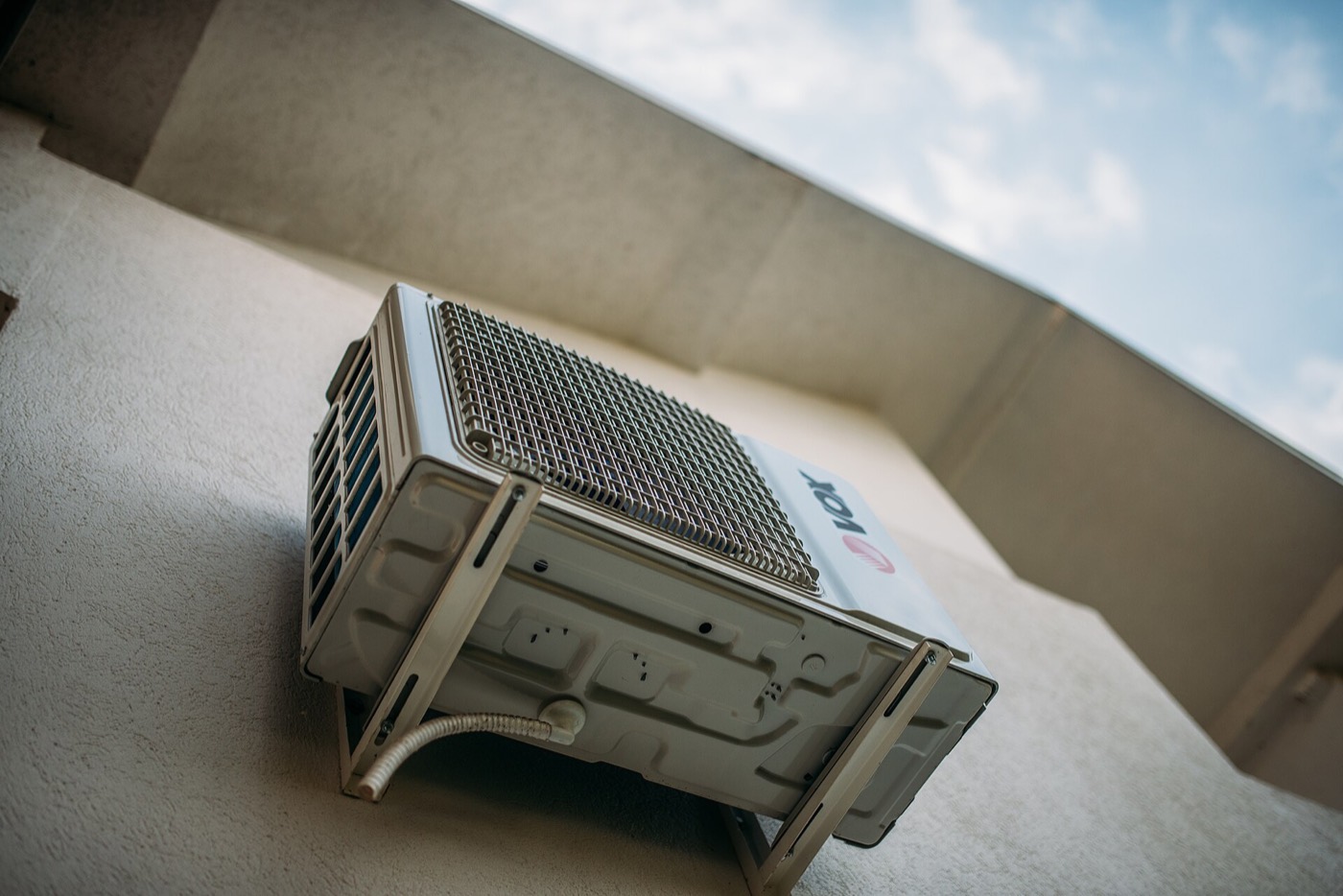
Age is the first clue. Look at the data plate on the outdoor unit; the manufacture date is often coded into the serial number, and we can decode it for you.
- Under 8 years: Repair is almost always the right call, and parts may still be under warranty.
- 8–12 years: Repair is usually sensible unless the repair is major or the system has a history of problems.
- 12–15+ years: Time to compare carefully. Efficiency has dropped, more parts are wearing out, and a major repair may just be the first of several.
Near the coast, equipment often ages faster. A 10-year-old condenser on a barrier island can be in worse shape than a 15-year-old unit in Jackson.
Use the "5,000 rule"
A simple rule of thumb many contractors use: age × repair cost.
- A 6-year-old AC needing a $300 repair: 6 × 300 = 1,800 → repair.
- A 14-year-old AC needing a $1,200 repair: 14 × 1,200 = 16,800 → replacement deserves a serious look.
If the number is over about 5,000, replacement often makes more financial sense. It's a guideline, not a law. A newer system with one bad part is still worth fixing even if the part is pricey.
Check what refrigerant it uses
This matters more than most people realize.
- R-22 (Freon): Production and import were banned in the U.S. as of January 1, 2020. Only reclaimed and stockpiled R-22 remains, so recharging an R-22 system is expensive and getting harder. If your R-22 system has a leak, replacement is usually the better choice.
- R-410A: Common in systems installed roughly from 2010 through 2024. Still widely serviced, but it's being phased down under federal rules, so availability will tighten over time.
- Newer refrigerants (R-454B, R-32): Used in new systems now being installed.
Our guide to HVAC refrigerants explains what this means for you.
Look at the repair history
One repair in ten years is normal. Three repairs in two summers is a pattern. Keep a simple log of service calls and costs. When repair bills start stacking up year after year, that money is often better spent on a new system with a fresh warranty.
Consider comfort, not just cost
Sometimes the system "works" but the house is never really comfortable:
- Upstairs rooms are always too hot.
- The house feels clammy or sticky even when it's cool.
- The AC short-cycles on and off.
- Dust and uneven temperatures are constant complaints.
These are signs of an oversized or undersized system, poor ductwork, or aging equipment. A replacement is a chance to fix the root cause with proper sizing and duct improvements, not just swap boxes.
Factor in energy bills
Air conditioners lose efficiency as they age, especially if maintenance has been skipped. Federal efficiency standards have also risen. New systems are rated in SEER2, and even today's minimum-efficiency equipment typically uses noticeably less electricity than a 15-year-old unit. If your summer bills have crept up year after year, replacement can pay you back over time.
Think about the heating side too
If your furnace is also 15–20 years old, it can make sense to replace both together. You'll get matched equipment, one installation, and possibly a better price. It's also a natural point to consider a heat pump, which handles both heating and cooling.
When repair clearly makes sense
- The system is under 10 years old.
- The problem is a common, inexpensive part (capacitor, contactor, fan motor, drain clog).
- The system uses R-410A or newer refrigerant and has no history of leaks.
- The house is comfortable and bills are reasonable.
When replacement clearly makes sense
- The system uses R-22 and needs refrigerant or a major part.
- The compressor or outdoor coil has failed on a system over 10–12 years old.
- Repairs are becoming an annual event.
- The house has never been comfortable or humidity is a constant problem.
- You plan to stay in the home for several more years.
What it costs and how to save
Every home is different, so we don't quote prices without seeing the house and system. We give you a written, upfront quote that includes equipment, installation, permits and removal of the old unit. Ways to save:
- $500 off a new heating or cooling system with our current offer.
- Utility and NJ Clean Energy Program incentives can apply to qualifying high-efficiency equipment. Programs change, so check current offerings or ask us.
- Replacing on your schedule in spring or fall, rather than in an emergency during a heat wave, gives you time to compare options.
How we handle the repair-or-replace conversation
We don't believe in scare tactics. When we diagnose a problem, we'll explain what failed, give you a price to repair it, and, if it makes sense, a price to replace the system so you can compare side by side. Our own licensed team does the work, so the people giving the advice are the same people standing behind it.
Whether you're in Wall Township, Mount Laurel, Willingboro or anywhere in our service area, message us on WhatsApp for an honest assessment. See our AC repair and AC installation services for details.
Frequently asked questions
How long does a central air conditioner last in New Jersey?
Many central AC systems last roughly 12–17 years with regular maintenance. Units near the ocean often wear out sooner because of salt air, while well-maintained inland systems can last longer.
Is it worth repairing a 15-year-old AC?
A small, inexpensive repair such as a capacitor can be worth it. A major repair like a compressor or coil replacement on a 15-year-old system, especially one using R-22, usually isn't. Put that money toward a new, efficient system instead.
Can I replace just the outdoor unit?
Usually not recommended. Modern outdoor units are designed to work with a matched indoor coil, and newer refrigerants are not compatible with older R-22 equipment. Mismatched systems can lose efficiency, void warranties and fail early.
What is the 5,000 rule for AC replacement?
Multiply the age of the unit in years by the repair cost in dollars. If the result is more than 5,000, replacement is usually the better value. It's a rule of thumb, not a hard law; efficiency, comfort and refrigerant type matter too.
Are there rebates for replacing an AC in New Jersey?
Utility programs and the NJ Clean Energy Program have offered incentives for qualifying high-efficiency equipment. Programs change, so check current offers or ask us when we quote. Prime Comfort Group also offers $500 off a new heating or cooling system.
Too hot? Too cold? Let’s fix that today.
Message us on WhatsApp and our team will get back to you with honest advice and an upfront quote. Same day service across Ocean, Monmouth and Burlington counties.
- Upfront quotes
- No hidden fees
- Licensed & family owned