
In this guide
Anyone who lived along the Jersey Shore during Hurricane Sandy in October 2012 remembers what storm surge can do. Entire neighborhoods in Ortley Beach, Seaside Heights, Lavallette, Brick and along Barnegat Bay saw salt water pour into homes, crawl spaces and basements, taking furnaces, water heaters and AC condensers with it. Even ordinary nor'easters, extreme high tides and heavy rain can flood lagoon streets and basements.
If floodwater has reached your heating or cooling equipment, the decisions you make in the first few days matter for safety and cost. Here's what to do.
Step 1: Keep the power and gas off
Do not turn on any HVAC equipment that has been underwater, even if it looks fine and seems dry. Water can damage electrical controls, gas valves and safety devices in ways you can't see, creating fire, shock or carbon monoxide risks.
- Leave the system off at the thermostat.
- If it's safe to reach your electrical panel without standing in water, switch off the breakers for the furnace or air handler and the outdoor unit. If not, wait for the utility or an electrician.
- If you smell gas, leave immediately and call your gas utility or 911 from outside.
- Your utilities may need to restore or inspect service before equipment can be restarted.
Step 2: Document everything
Before anything is removed, take photos and video of the equipment, the water line on walls, model and serial number plates, and any damage. This helps with insurance and FEMA claims. Keep receipts for emergency work.
Step 3: Get a professional inspection
A licensed HVAC technician should evaluate every piece of equipment that got wet. Here's what typically happens to each component:
| Component | What usually happens after submersion |
|---|---|
| Furnace gas valve and controls | Replace. Safety-critical parts aren't reused after flooding |
| Control boards, igniters, sensors | Replace |
| Blower and fan motors | Usually replace |
| Furnace cabinet and heat exchanger | Evaluate; corrosion and silt often make full replacement practical |
| Outdoor condenser | Inspect, clean, test electrical; salt water often causes lasting damage |
| Air handler / indoor coil | Evaluate; insulation and electrical parts often replaced |
| Flexible ductwork and duct insulation | Replace if it held water |
| Rigid metal ductwork | Possibly clean and sanitize, or replace |
| Thermostat (if wet) | Replace |
Many manufacturers and industry safety guidance recommend replacing gas controls and electrical components that have been underwater rather than drying and reusing them. Once you add up the parts and labor, replacing the whole unit is often the safer and more economical choice, especially with salt water involved.
Salt water vs. fresh water
Salt water is particularly destructive. It continues corroding metal and electrical connections for weeks after the water recedes, so equipment that runs initially can fail later. Shore homes flooded by storm surge should assume salt damage and plan accordingly. Our guide to salt air and AC corrosion explains why salt is so hard on equipment.
Ductwork and indoor air quality
Floodwater is often contaminated with sewage, chemicals and debris. Ducts in crawl spaces and basements that filled with water can hold contamination and grow mold once the weather warms. Wet flexible ducts and duct insulation should be replaced. Run nothing through flooded ductwork until it has been assessed, or you risk blowing contaminants through the house.
Temporary heat and cooling, safely
While you wait for repairs:
- Use electric space heaters only on dry floors, plugged directly into the wall, away from flammable items.
- Never run generators, grills or camp heaters indoors or in garages. Carbon monoxide kills. See our carbon monoxide safety guide.
- Use fans and dehumidifiers to dry the home, which also helps prevent mold.
Rebuilding smarter: elevate your equipment
After Sandy, many shore homes were raised, and their HVAC equipment went up with them. If you're replacing flooded equipment, it's the moment to protect it from the next storm:
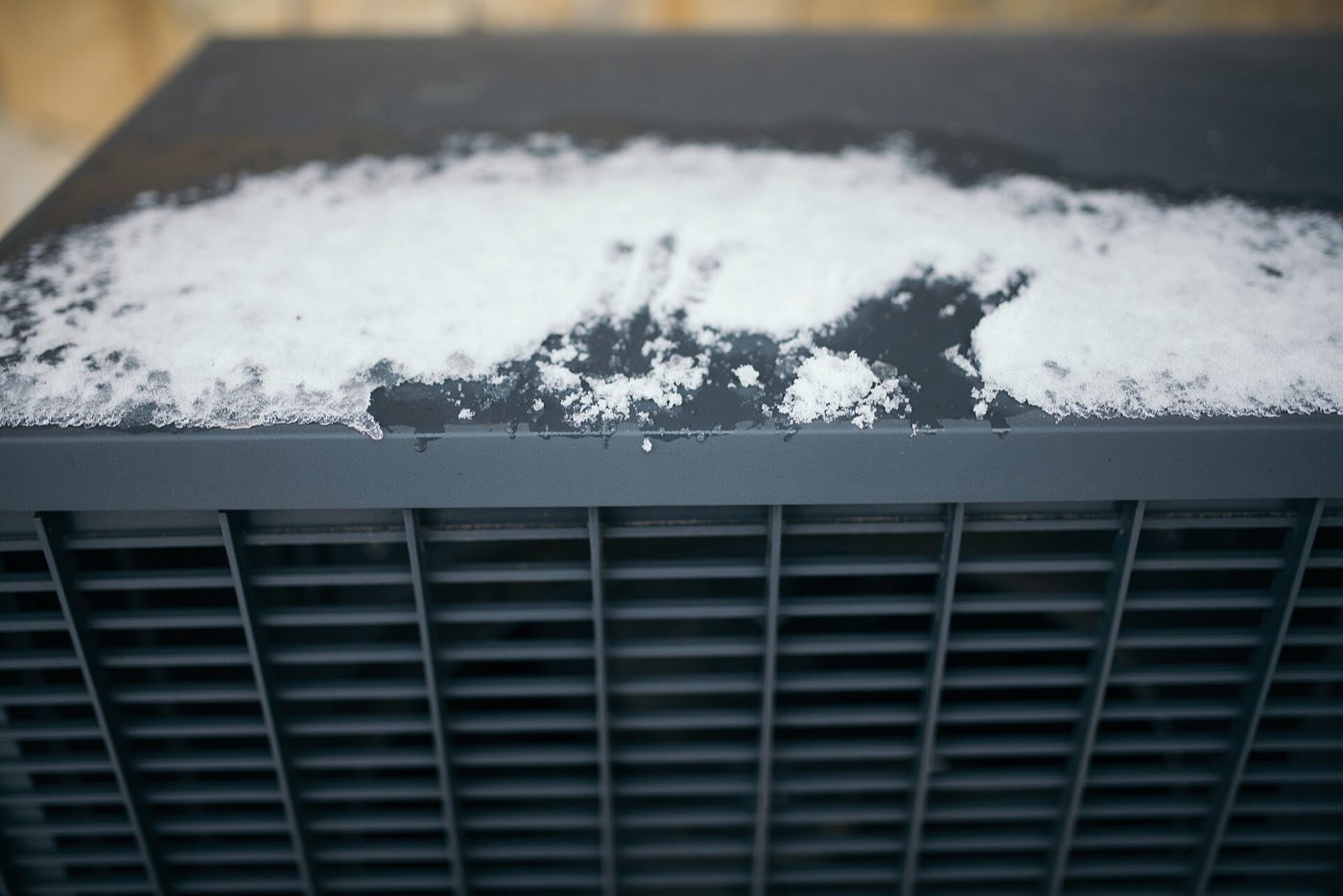
- Raise outdoor condensers onto platforms or brackets above the flood elevation required for your property. Ask your town's construction office for the requirement.
- Move furnaces and air handlers out of flood-prone basements and crawl spaces when possible, into a conditioned space, attic or upper floor.
- Anchor equipment against wind and floating.
- Choose corrosion-resistant equipment for oceanfront and bayfront homes.
- Consider a heat pump or air handler located upstairs, which can eliminate the need for a basement furnace.
New Jersey requires permits for replacing HVAC equipment, and flood-zone properties often have extra elevation requirements. We handle permits as part of the installation.
Insurance and assistance
Standard homeowners insurance usually excludes flood damage; flood insurance through the National Flood Insurance Program or private carriers may cover HVAC equipment. Coverage rules for basements and crawl spaces can be limited, so check your policy. After major declared disasters, FEMA and state programs may offer assistance.
Before the next storm
- Know where your HVAC shutoffs and breakers are.
- Photograph your equipment and nameplates now, for your records.
- If a major storm is forecast and flooding is likely, turn off power to equipment in flood-prone areas before the water arrives, if it's safe.
- After storms, rinse salt and debris off outdoor units once it's safe.
We're here when the water goes down
We're based in Pine Beach and know what flooding does to shore homes. We serve Ortley Beach, Lavallette, Seaside Park, Brick, Forked River and all of Ocean and Monmouth counties. Message us on WhatsApp for an inspection and honest advice on what can be saved, or call for emergency service.
Frequently asked questions
Can a furnace be saved after it was underwater?
Sometimes the cabinet can be reused, but gas valves, control boards, igniters, motors and wiring that were submerged should be replaced for safety. In many cases replacing the whole furnace is more practical. A licensed technician should inspect it before it's ever turned on.
Is my outdoor AC unit ruined if it was flooded?
Not always. Condensers are built for rain, but floodwater, especially salt water carrying silt and debris, can damage the fan motor, electrical parts and coil. Have it inspected and cleaned before restoring power. Salt water flooding usually causes more damage than fresh water.
Do flooded air ducts need to be replaced?
Ducts that held floodwater can harbor bacteria and mold. Flexible ductwork and duct insulation that got wet are typically replaced. Rigid metal ducts may sometimes be cleaned and sanitized, depending on the situation.
How high should an AC condenser be raised in a flood zone?
Equipment should be placed at or above the elevation required by your local floodplain regulations and code, often tied to the base flood elevation plus freeboard. Your town's construction office can tell you the requirement for your property.
Will homeowners insurance cover a flooded furnace or AC?
Standard homeowners policies usually exclude flood damage. Flood insurance through the NFIP or a private carrier may cover HVAC equipment, but coverage in basements and crawl spaces can be limited, so check your policy.
Too hot? Too cold? Let’s fix that today.
Message us on WhatsApp and our team will get back to you with honest advice and an upfront quote. Same day service across Ocean, Monmouth and Burlington counties.
- Upfront quotes
- No hidden fees
- Licensed & family owned
