
In this guide
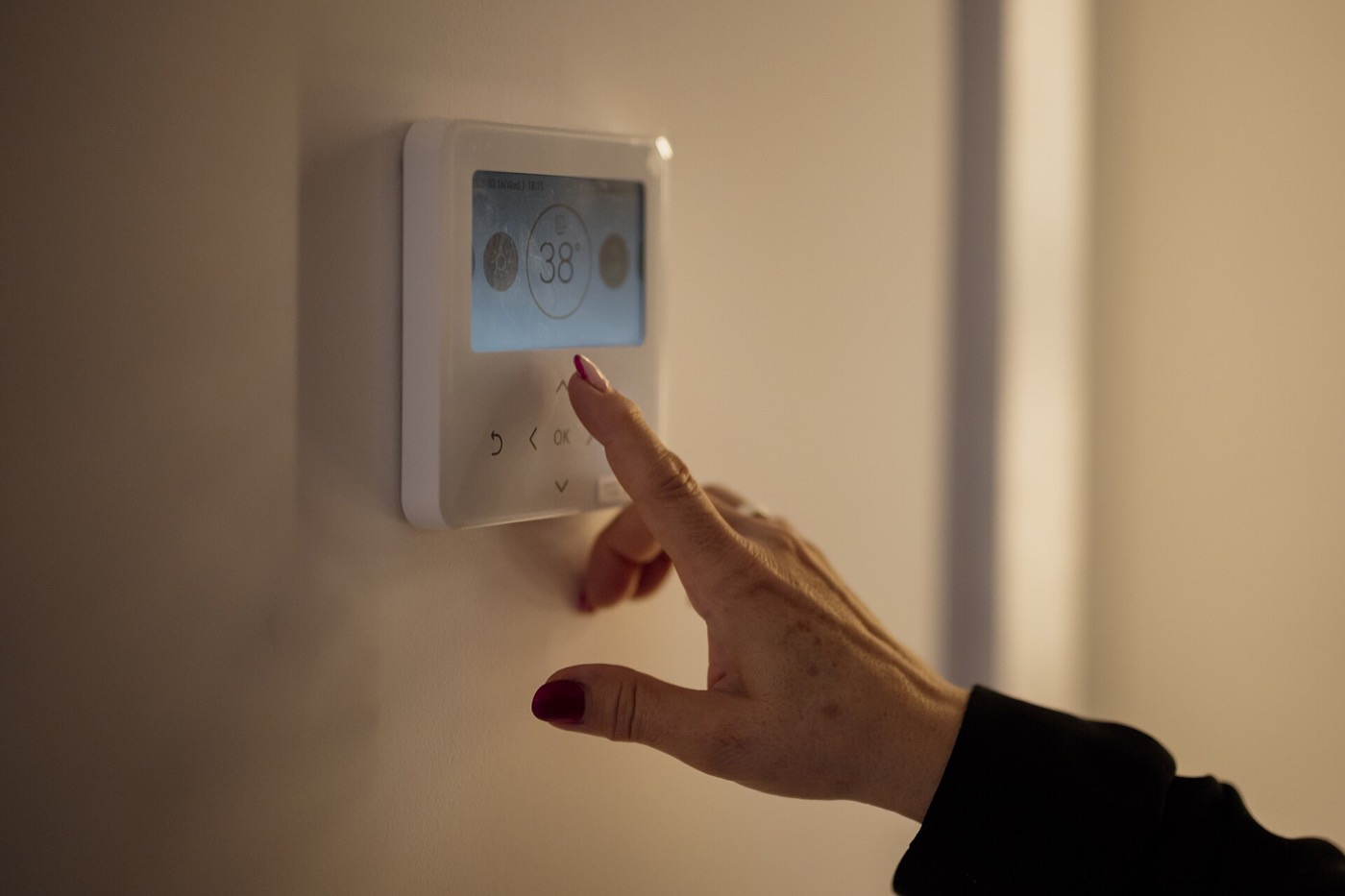
"What should I set my thermostat to?" It's one of the most common questions we get. The honest answer is that comfort is personal, but there are smart starting points that balance comfort and cost, and a few settings that can quietly waste a lot of money or even damage your home. Here's a practical guide for New Jersey homes.
Recommended starting points
The U.S. Department of Energy suggests these energy-saving targets:
| Season | While home and awake | While asleep or away |
|---|---|---|
| Winter (heating) | About 68°F | Lower by 7–10°F |
| Summer (cooling) | About 78°F | Higher by 7–10°F |
According to the DOE, setting back your thermostat 7–10°F from its normal setting for 8 hours a day can save up to about 10% a year on heating and cooling. These are starting points. Adjust for comfort, health and your household. Older adults, infants and people with certain health conditions may need warmer winter or cooler summer settings.
Why setbacks save money
A common myth is that it takes more energy to warm a house back up than you save by turning it down. In reality, your home loses heat in winter (and gains heat in summer) more slowly when the temperature difference between inside and outside is smaller. A cooler house in winter loses heat more slowly, so you use less energy overall, even after the recovery period.
Summer tips for humid New Jersey days
- Fan on "Auto," not "On." Continuous fan operation can put moisture back into the air after the AC cycles off. See our humidity control guide.
- Don't set it super low to cool faster. Setting 65°F won't cool the house any faster than 72°F; the system runs at the same speed and just runs longer.
- Use ceiling fans to feel cooler at a higher setting. Turn them off when you leave the room.
- Avoid huge setbacks during heat waves. If the house heats up to 88°F during the day, the AC may struggle to catch up on very hot afternoons. Moderate setbacks work better in extreme heat.
- Upstairs too warm? It's common in Capes and two-story homes. A smart thermostat with remote sensors, zoning or duct improvements can help more than turning the thermostat down.
Winter tips
- Set back at night. Many people sleep better in a cooler room anyway. A programmable or smart thermostat makes it automatic.
- Don't crank it up when you get home. Setting 80°F doesn't heat faster than 70°F with a furnace.
- Mind your pipes. Never let a home with plumbing get too cold. Around 55°F is a common minimum for unoccupied homes in winter.
- Keep supply vents and returns clear for even heat.
Heat pump owners: do it differently
Heat pumps are most efficient running steady, longer cycles. Large setbacks can backfire: when you raise the temperature in the morning, the system may call for auxiliary or emergency electric heat to catch up, which costs much more to run.
For heat pumps:
- Use small setbacks (2–3°F) or none at all.
- Use a smart thermostat designed for heat pumps with "smart recovery" that warms gradually.
- Don't switch to "Emergency Heat" unless the heat pump has actually failed.
Learn more in do heat pumps work in New Jersey winters?
Settings for shore houses and vacations
Summer, while away
- In a typical inland home, many people set the AC around 82–85°F while away.
- Near the ocean or bay, keep it lower (around 78–80°F) and control humidity. A closed-up shore house can develop mold surprisingly fast. See our shore house HVAC guide.
Winter, while away
- Around 55°F is a common minimum to protect pipes.
- Use a Wi-Fi thermostat with low-temperature alerts so you know right away if the heat fails.
- For long winter absences, consider professional plumbing winterization.
Programmable vs. smart thermostats
- Programmable: set schedules for weekdays and weekends. Effective if you actually program it.
- Smart (Wi-Fi): control from your phone, learn your schedule, use geofencing to adjust when you leave, show energy reports, and send alerts. Many support remote room sensors to balance temperatures.
Either can save money; the best one is the one you'll use. Make sure any new thermostat is compatible with your system, especially heat pumps, multi-stage equipment or systems without a "C" (common) wire. We can install and configure it correctly.
Thermostat placement matters
A thermostat in direct sun, near a kitchen, above a heat register or on an exterior wall can read wrong and cause short cycling or uncomfortable rooms. If yours is in a bad spot, it may be worth relocating or adding remote sensors.
Quick do's and don'ts
Do:
- Use schedules or smart features to automate setbacks
- Keep the fan on "Auto"
- Replace thermostat batteries yearly
- Keep homes with plumbing at or above about 55°F in winter
Don't:
- Set extreme temperatures to "speed things up"
- Use big setbacks with a heat pump
- Turn off the AC completely in a closed shore house in summer
- Ignore a thermostat that's blank or reading wrong
Need a hand?
If your thermostat isn't keeping the house comfortable, or you want a smart thermostat installed and set up properly, we can help as part of a service visit or tune-up. Message us on WhatsApp from Toms River, Berkeley Township, Manchester, Mount Laurel or anywhere we serve. Read more ways to save in 12 ways to lower heating and cooling bills.
Frequently asked questions
What is the best thermostat setting for winter in New Jersey?
Around 68°F while you're home and awake is a common energy-saving starting point, with a lower setting while you sleep or are away. Choose what keeps your household comfortable and healthy; older adults and infants may need warmer settings.
What should I set my AC to in summer?
Around 78°F while you're home is a widely recommended energy-saving setting, and higher when you're away. Using ceiling fans can make 78°F feel several degrees cooler.
Does it cost more to heat a house back up after a setback?
No. Your home loses heat more slowly when it's cooler inside, so you use less energy overall even accounting for recovery. The exception is heat pumps with large setbacks, which can trigger auxiliary electric heat; use smaller setbacks or a heat-pump-aware smart thermostat.
What temperature should I leave my house at on vacation?
In summer, many people set the AC around 82–85°F, but homes near the water should stay closer to 78–80°F with humidity control to prevent mold. In winter, around 55°F is a common minimum to protect pipes.
Is it better to leave the AC on all day or turn it off?
For most homes, raising the temperature while you're away saves energy compared with keeping it cool all day. In very hot, humid weather, use a moderate setback so the system can recover comfortably and keep humidity in check.
Too hot? Too cold? Let’s fix that today.
Message us on WhatsApp and our team will get back to you with honest advice and an upfront quote. Same day service across Ocean, Monmouth and Burlington counties.
- Upfront quotes
- No hidden fees
- Licensed & family owned
