
In this guide
A shore house is a special kind of property. It may sit empty for weeks, then host a full house of family or renters during the hottest stretch of summer. It faces salt air, sand, humidity and sometimes storm surge. And when the AC fails on a Saturday in July with guests checked in, it's not just uncomfortable. It can mean refunds, bad reviews and an expensive emergency call.
Here's how owners of homes in Seaside Heights, Point Pleasant Beach, Belmar, Bay Head, Long Beach Island and up and down the shore can keep their HVAC reliable all season.
Spring opening checklist
Before your first visit or rental of the season:
- Book a professional AC tune-up in April or early May. Problems found in spring can be fixed calmly. Problems found in July compete with every other emergency at the shore. See what happens during an AC tune-up.
- Replace the air filter and leave spares in an easy-to-find spot labeled with the size.
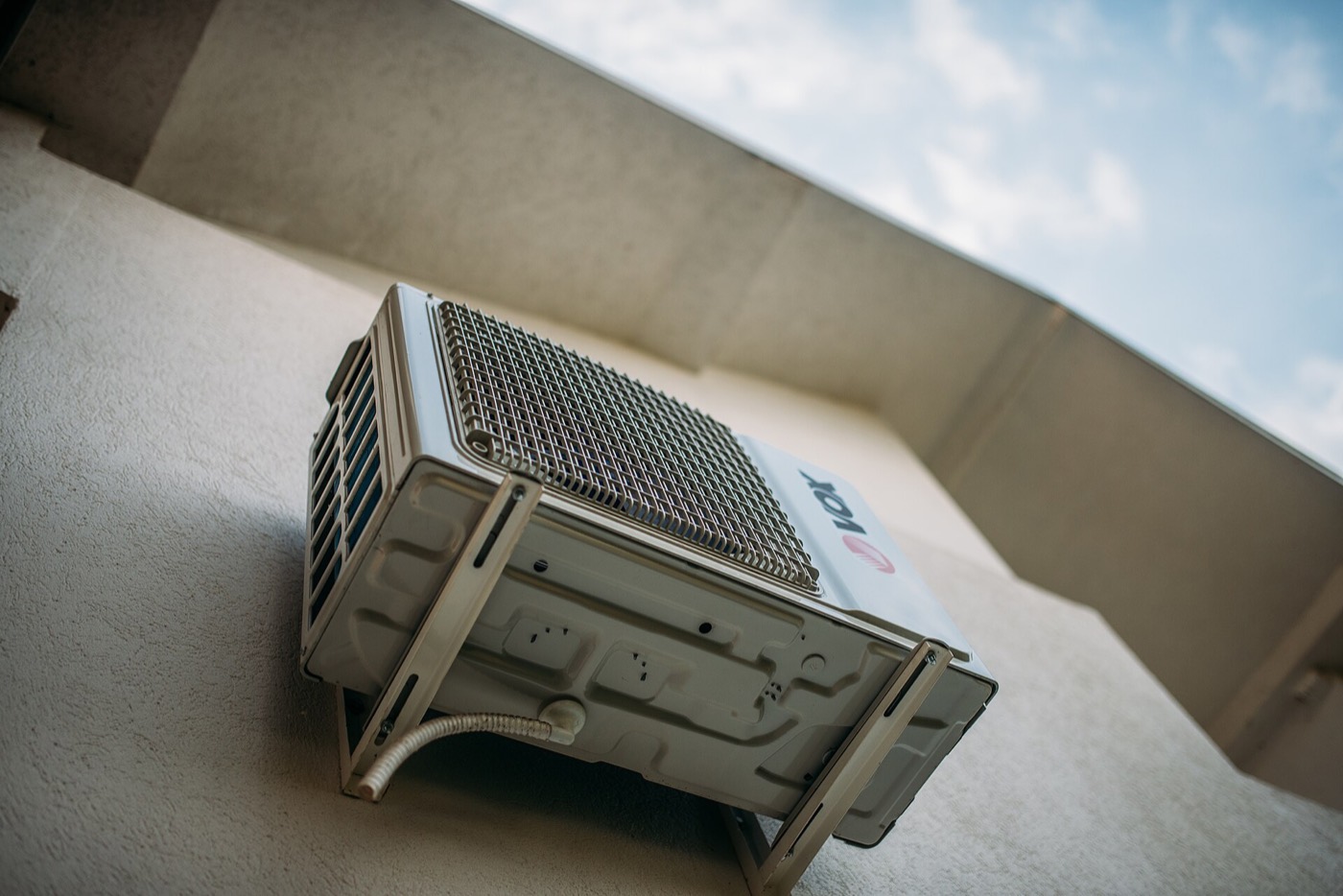
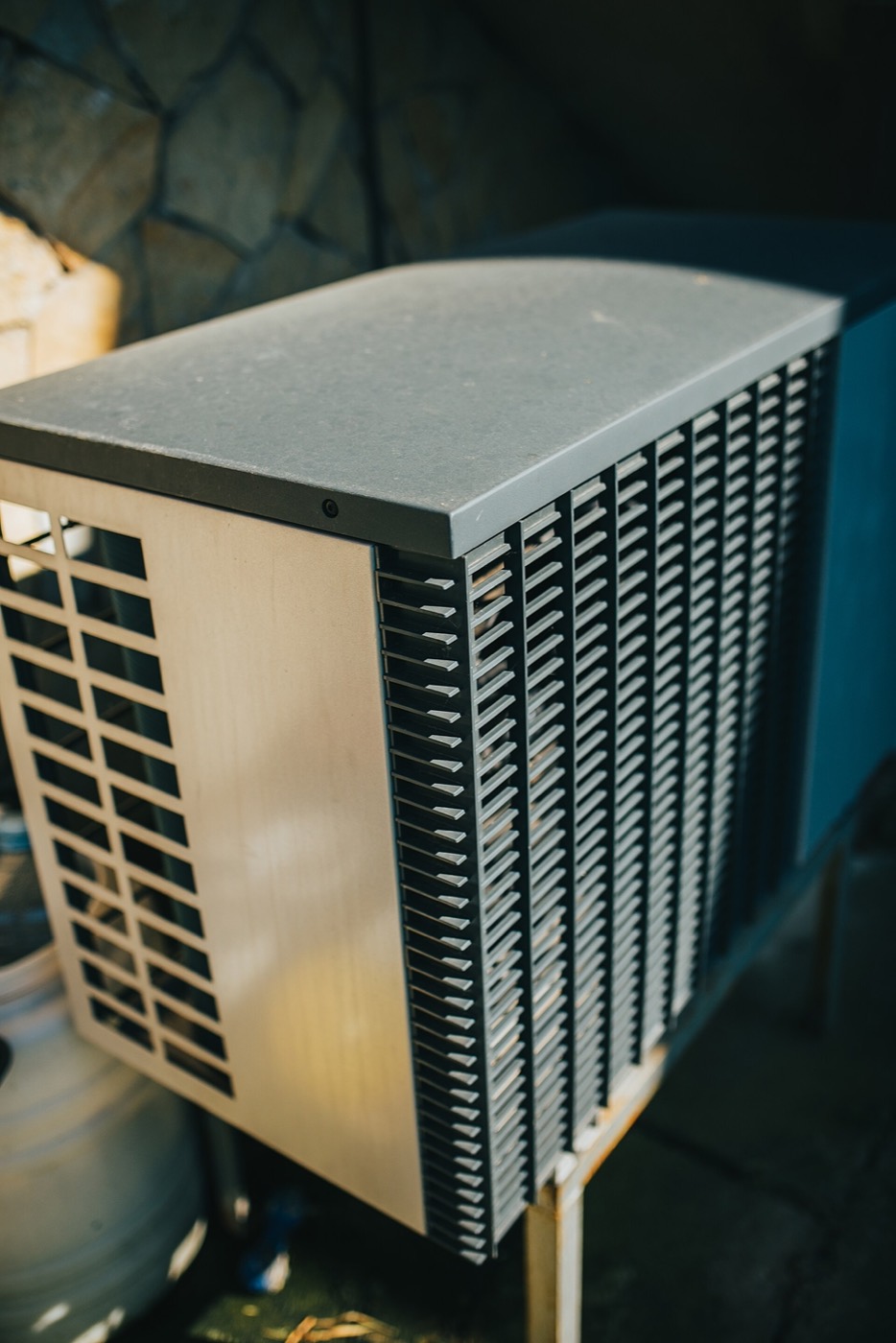
- Clear the outdoor unit of winter debris, sand and dune grass, and rinse the coil gently with fresh water. Remove any top cover used over the winter.
- Check the condensate drain and secondary pan, especially for attic air handlers above bedrooms.
- Test the thermostat and update Wi-Fi settings for smart thermostats.
- Run the system for at least 30 minutes and check that every room cools.
During the season
- Rinse the outdoor coil every few weeks and after storms. Salt builds up quickly near the ocean; see our guide to salt air and AC corrosion.
- Check or change filters between longer stays or monthly, since sand and heavy use load them fast.
- Keep the condenser clear. Beach chairs, surfboards, outdoor showers and trash cans often end up stacked around outdoor units.
- Watch the drain. Heavy summer use produces a lot of condensate, and clogged lines cause ceiling leaks.
Humidity control while the house is empty
This is the biggest mistake we see: owners turn the AC off when leaving a shore house in summer to save money. Within days, humidity climbs, and mold and musty odors can follow, especially in older homes, closets and lower levels.
Better approaches:
- Leave the AC on at a moderate setting, often 78–82°F.
- Use a smart thermostat with humidity monitoring so you can see conditions remotely.
- Consider a whole-home dehumidifier that controls moisture even when cooling isn't needed.
- Keep interior doors open so air circulates through closets and bedrooms.
Our humidity control guide explains the details.
Smart thermostats: an owner's best friend
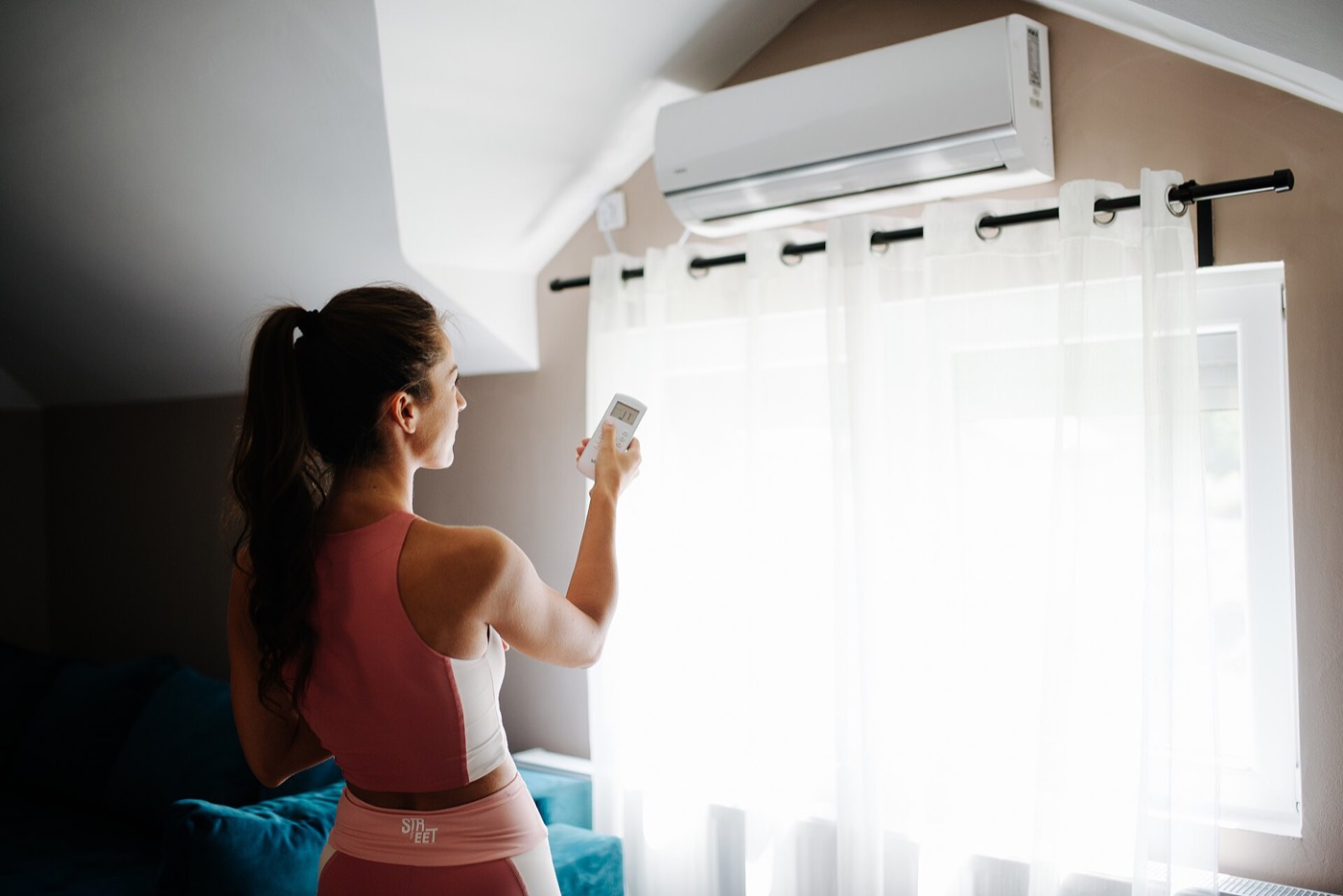
A Wi-Fi thermostat lets you:
- Check temperature (and often humidity) from anywhere
- Pre-cool the house before guests arrive
- Set limits so renters can't run the AC at 62°F with the doors open
- Get alerts if the temperature goes too high or too low, an early warning that something failed
For rental properties, choose a model that supports temperature limits or locks, and make sure it's compatible with your system.
Tips to share with renters
A short, friendly note in the house goes a long way:
- Keep windows and doors closed while the AC is on.
- Please don't set the thermostat below 70°F; it won't cool faster.
- Leave the fan setting on "Auto."
- Don't block vents or the outdoor unit with beach gear.
- If the AC stops cooling, turn it off and message the owner or manager. Running a frozen system can damage it.
Fall closing checklist
- Schedule a heating tune-up if the home will be used or heated in the off-season.
- Decide on winter heating: keep heat on at a low setting (often around 55°F) or professionally winterize the plumbing.
- Replace the filter.
- Clear leaves and debris around outdoor units. A breathable top cover is okay for a straight AC, but don't wrap it in plastic.
- Make sure carbon monoxide and smoke alarms have fresh batteries.
Flood zones and elevated equipment
Many shore homes have equipment on raised platforms or rooftops. Keep platforms and mounting hardware in good repair, because salt corrodes brackets and fasteners too. If your equipment is still at ground level in a flood zone, ask about raising it the next time you replace it. Read what to do with flooded HVAC equipment.
Keep simple records
Owners who manage a shore property remotely benefit from a one-page record kept in the house and on their phone: equipment model and serial numbers, filter sizes and locations, the date of the last tune-up, breaker locations, and who to call for service. When something goes wrong in July, that information saves time on the phone and helps the technician arrive with the right parts. It's also useful when you sell the property, since buyers like to see documented maintenance.
Be ready for mid-season problems
Even well-maintained systems can fail during a heat wave. Have a plan:
- Save our number and WhatsApp in your phone and in the property manager's.
- Know where the breakers, disconnect and filter are.
- Consider the Prime Comfort Club ($19/month): priority scheduling ahead of non-members, two tune-ups a year and 10% off repairs, which is valuable when every hour without AC matters for a rental.
Local service for shore owners
We're based in Pine Beach and serve shore towns across Ocean and Monmouth counties, including Seaside Heights, Point Pleasant Beach, Belmar, Bay Head and Stafford Township. Message us on WhatsApp to book a pre-season tune-up or get same day repair.
Frequently asked questions
What temperature should I leave my shore house at in summer when it's empty?
Many owners set the AC around 78–82°F while the house is unoccupied, combined with humidity control. The goal is keeping relative humidity below about 60% to prevent mold, not keeping the house cold.
When should I schedule AC service for a summer rental?
In spring, ideally April or early May, before rental season and before HVAC companies get busy with heat-wave calls. That leaves time to make repairs before your first guests arrive.
Should I turn off the heat in my shore house for winter?
If the home has water lines, keep the heat on at a low setting (often around 55°F) to prevent frozen pipes, or have the plumbing professionally winterized. A smart thermostat with alerts adds peace of mind.
How do I stop renters from setting the AC too low?
Many smart thermostats let owners set minimum and maximum temperature limits, lock settings and get alerts. Clear instructions in the rental also help, as does asking guests to keep doors and windows closed while the AC runs.
Can you service my shore house while I'm not there?
Often, yes. Many owners arrange access with a property manager or lockbox. Message us on WhatsApp with the address and details, and we'll coordinate a tune-up or repair and send an update when it's done.
Too hot? Too cold? Let’s fix that today.
Message us on WhatsApp and our team will get back to you with honest advice and an upfront quote. Same day service across Ocean, Monmouth and Burlington counties.
- Upfront quotes
- No hidden fees
- Licensed & family owned
