In this guide
Quick answer: For most homes, about 120°F is a widely recommended water heater setting. It's hot enough for showers and dishes, uses less energy than higher settings and lowers the risk of scalding. Some households choose a higher setting for specific reasons, but a thermostatic mixing valve is the safer way to do that. Gas heaters often show words like "Warm" or "Hot" instead of degrees, so measure the temperature at a tap rather than guessing. If your water is suddenly much hotter or colder than usual, book water heater repair.
The temperature setting affects comfort, your energy bill and safety. Here's what to know before you turn the dial.
Why 120°F is the common recommendation
- Comfort: hot enough for showers, baths and most household tasks
- Safety: water much hotter than this can scald skin within seconds, especially for children and older adults
- Energy: every degree hotter means more heat lost from the tank and pipes
- Equipment: lower temperatures can slow mineral scale in hard water
Many water heaters ship from the factory at a higher setting, so it's worth checking yours.
When people choose a higher setting
Some households have reasons to go higher, such as a large household with heavy demand, or specific health advice they've received. If you go higher:
- Install a thermostatic mixing valve at the heater, so tap water stays at a safe temperature while the tank stores hotter water
- Take extra care with children, older adults and anyone with reduced sensation
- Follow the manufacturer's instructions and any professional advice you've been given
A mixing valve can also make a tank feel bigger, because hotter stored water is blended down at the tap.
When people choose a lower setting
Turning the temperature much lower can save some energy, but there are trade-offs:
- You may run out of hot water sooner
- Dishwashers may not clean as well (many heat water themselves)
- Very low settings aren't recommended by many health authorities
If you're going away for a while, many heaters have a Vacation setting. Use it rather than turning the heater off completely, especially in winter. See winterizing a shore house.
How to measure your water temperature
The dial alone doesn't tell you much. To check:
- Pick the hot tap closest to the water heater
- Run hot water for about two minutes
- Hold a kitchen thermometer in the stream
- Note the reading
Adjust in small steps, then recheck a few hours later, after the tank has had time to reheat.
How to adjust each type
Gas tank water heater
Turn the dial on the gas control valve near the bottom of the tank. Many dials are marked with words such as Vacation, Warm, Hot and Very Hot, or letters, instead of numbers. Make a small change, then measure at the tap later.
Electric tank water heater
Electric heaters usually have one or two thermostats behind panels on the side of the tank. Adjusting them means removing covers near live wiring, so it's safest to have a technician do it. If you do it yourself, the power must be off at the breaker, and you must follow the manufacturer's instructions exactly.
Tankless water heater
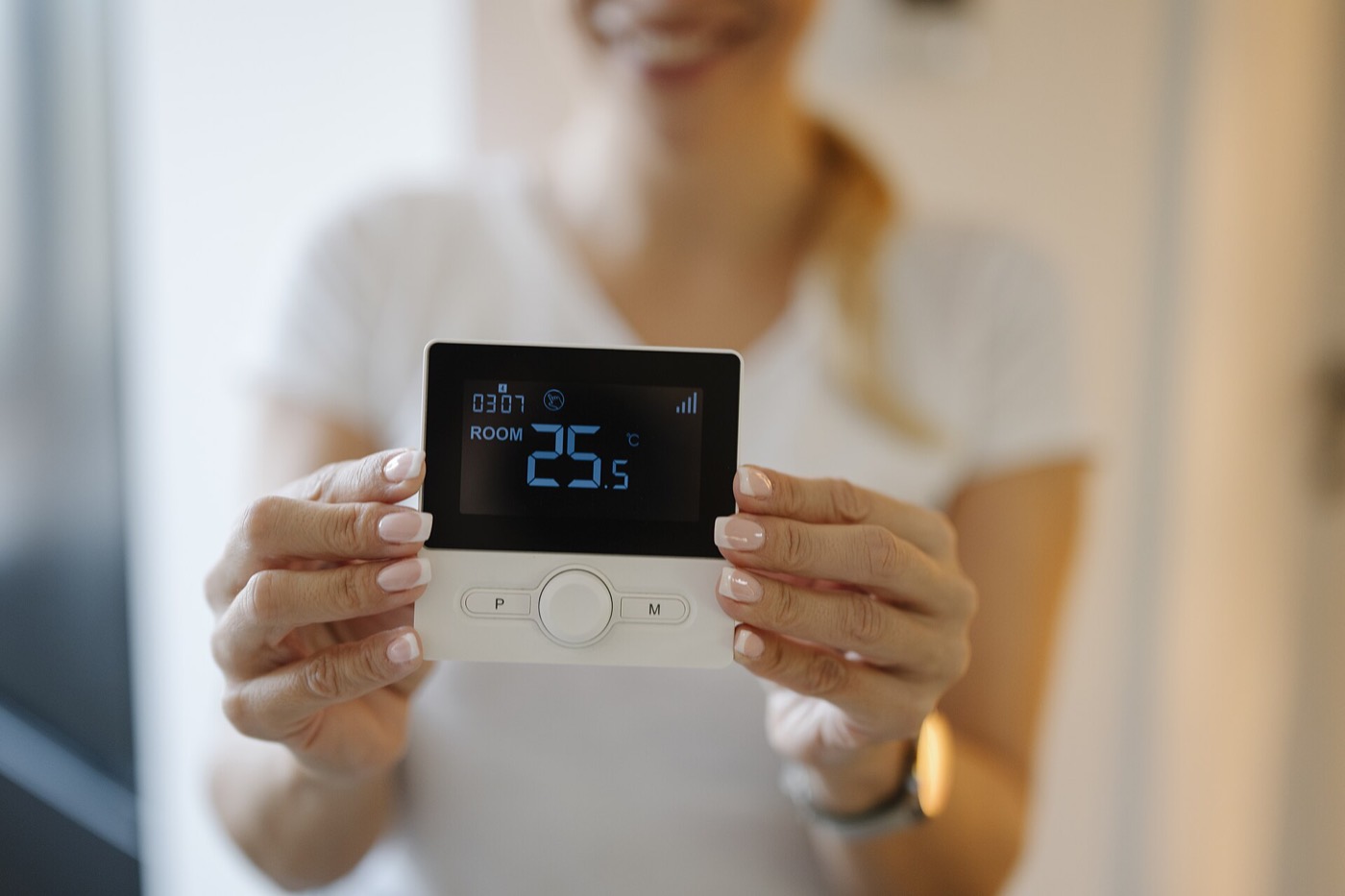
Most tankless units have a digital display or remote control where you set the temperature directly. Some models limit the maximum for safety.
Combi boiler or indirect tank
The hot water setting is usually on the boiler's control panel. See combi boiler no hot water.
Signs the temperature isn't right
| What you notice | What it might mean |
|---|---|
| Hot water runs out quickly | Setting too low, sediment or a size problem |
| Water is scalding | Setting too high or a failing control |
| Temperature swings during showers | Tankless flow issues, scale or a mixing valve problem |
| Lukewarm water only | Element, burner or thermostat issue |
| Relief valve dripping or discharging | High temperature or pressure: call |
See water heater not heating and hot water runs out fast.
When it's a repair, not a setting
Turning the dial won't fix:
- A failed electric element or thermostat, often seen as lukewarm water
- A gas control valve fault, sometimes with the pilot going out
- Heavy sediment, which makes a gas tank recover slowly and rumble (see water heater noises)
- A broken dip tube, which mixes cold water into the hot
- Scale in a tankless unit (see descaling a tankless water heater)
If water is scalding hot or the relief valve is discharging, turn the heater off (gas to Off or Pilot, electric at the breaker) and call. If you smell gas, leave the house and call 911 or your gas utility from outside.
Energy tips that don't sacrifice comfort
- Keep the setting around 120°F unless you have a reason to change it
- Insulate exposed hot water pipes
- Fix dripping hot faucets
- Use low-flow showerheads
- Flush tanks and descale tankless units on schedule
- Use the vacation setting when you're away
If your heater is old and inefficient, a replacement may save more than any setting. New Jersey Natural Gas customers may qualify for rebates and 0% APR financing on a new high efficiency water heater through NJNG's SAVEGREEN program (provided by NJNG, not Prime Comfort Group; terms and eligibility apply; see savegreen.com). See what size water heater you need.
Special situations
Households with young children or older adults: stay around 120°F or lower at the tap, and consider anti-scald shower valves. Test the water before baths.
Large households: if you keep running short at 120°F, a mixing valve with a slightly hotter tank can add usable hot water safely. If that still isn't enough, see what size water heater you need.
Homes with a dishwasher that doesn't heat water: check the manual for the inlet temperature it expects.
Seasonal and rental homes: set the vacation mode between stays, then return to normal before guests arrive. Remind renters not to change settings.
Homes on well water: hotter water speeds scale, so moderate settings and regular flushing matter more.
A quick safety checklist
- Water at the closest tap is around your chosen temperature
- The relief valve has a discharge pipe running down toward the floor
- The area around the heater is clear and dry
- Gas heaters have a steady blue flame and clear venting
- Carbon monoxide alarms work on every level (see CO detector beeping)
If anything looks wrong, have it checked before you adjust the temperature further.
Should you turn the water heater off when you leave?
For short trips, a vacation setting is usually enough. For long winter absences, a fully drained and shut-down system needs proper winterizing to prevent frozen pipes. Ask us before you try it, because restarting a drained gas heater incorrectly can damage it.
Whatever setting you choose, recheck the tap temperature a day later, and again after any repair or replacement, because new controls and thermostats can be set differently from the factory.
Water heater service near you
We repair, adjust and replace gas, electric and tankless water heaters of every brand, including Bradford White, Rheem and Navien, across all 153 towns in Ocean, Monmouth, Burlington and Middlesex counties, including Brick, Wall Township, Old Bridge and Medford.
Water too hot or too cold? Book online or call (732) 779-7106 for same day service and an upfront price.
Frequently asked questions
What temperature should my water heater be set at?
About 120°F is a common recommendation for most homes. It balances comfort, energy use and scald risk. Check your manufacturer’s guidance, and consider your household’s needs.
Is 140 degrees too hot for a water heater?
Water at 140°F can scald skin quickly, which is a particular risk for children and older adults. Some households choose higher temperatures for specific reasons, but a thermostatic mixing valve should be used to keep tap water safe.
How do I measure my water heater temperature?
Run hot water at the tap closest to the heater for a couple of minutes, then hold a kitchen thermometer in the stream. Adjust in small steps and recheck after a few hours.
Why is my water suddenly too hot?
A faulty thermostat, a failing gas control or a stuck electric element relay can overheat water. If water is scalding or the relief valve is discharging, turn the heater off and call for service.
Can you adjust or repair my water heater?
Yes. We repair and replace gas, electric and tankless water heaters of all brands with same day service across Ocean, Monmouth, Burlington and Middlesex counties.
Water Heater Repair near you
We provide water heater repair in all 153 towns across Ocean, Monmouth, Burlington and Middlesex counties. Find your area:
Monmouth County (all 53 towns)
Too hot? Too cold? Let’s fix that today.
Book online in about a minute or call us for honest advice and an upfront quote. Same day service across Ocean, Monmouth, Burlington and Middlesex counties.
- $50 off your first repair (new customers, terms apply)
- 24/7 emergency line
- Upfront quotes
- No hidden fees
- Licensed & family owned


Install our app
On your iPhone or iPad, in Safari:
- Tap the Share button ↑︎ at the bottom of the screen
- Scroll down and tap Add to Home Screen
- Tap Add. The app appears on your home screen
Using Chrome on iPhone? Tap the share icon in the address bar, then Add to Home Screen.
On your Android phone, in Chrome:
- Tap the menu ⋮ at the top right
- Tap Install app (or Add to Home screen)
- Tap Install. The app appears on your home screen
No app store, no sign-up needed. Book service, track appointments and see your invoices and receipts.