
In this guide
Quick answer: To winterize a Jersey Shore house, first decide whether it will stay heated or be fully drained and shut down. If heated, keep a safe minimum temperature (many owners use the mid to upper 50s), install a smart thermostat with temperature alerts and leak sensors, have the furnace, boiler or heat pump serviced before you leave, and shut off the main water when nobody is there. Protect outdoor units, vents and drain lines from salt, snow and storms, and arrange for someone to check the house during cold snaps. Book a fall HVAC tune-up before you close up.
Shore houses from Mantoloking to Long Beach Island and Manasquan face a tough winter: empty rooms, salt air, nor'easters and the risk that a heating failure goes unnoticed for days. A good plan in October and November prevents frozen pipes, water damage and expensive surprises in spring.
Step 1: Choose your winter strategy
Option A: Keep the house heated
Most owners who visit occasionally in winter, or whose homes have plumbing that is hard to drain, keep the heat on at a safe minimum. This protects pipes, keeps humidity in check and lets you visit any weekend.
Option B: Drain and shut down
Some seasonal homes are fully winterized: the water is shut off, pipes and fixtures are drained, the water heater is emptied and the heat is turned off. This is a plumbing job that should be done carefully so no water is left in low spots. Plan to have it reversed properly in spring.
Step 2: Service the heating system before you leave
A heating failure in an empty house is how most winter water damage starts. Before you close up:
- Have the furnace, boiler or heat pump tuned up, including safety controls and carbon monoxide testing
- Replace the filter
- Check condensate drains and pumps on high-efficiency furnaces (see frozen condensate lines)
- On heat pumps, check defrost and backup heat
- On boilers, check pressure and the expansion tank (see boiler pressure)
- Make sure fuel supply is adequate (propane or oil homes)
Step 3: Set the thermostat and add alerts
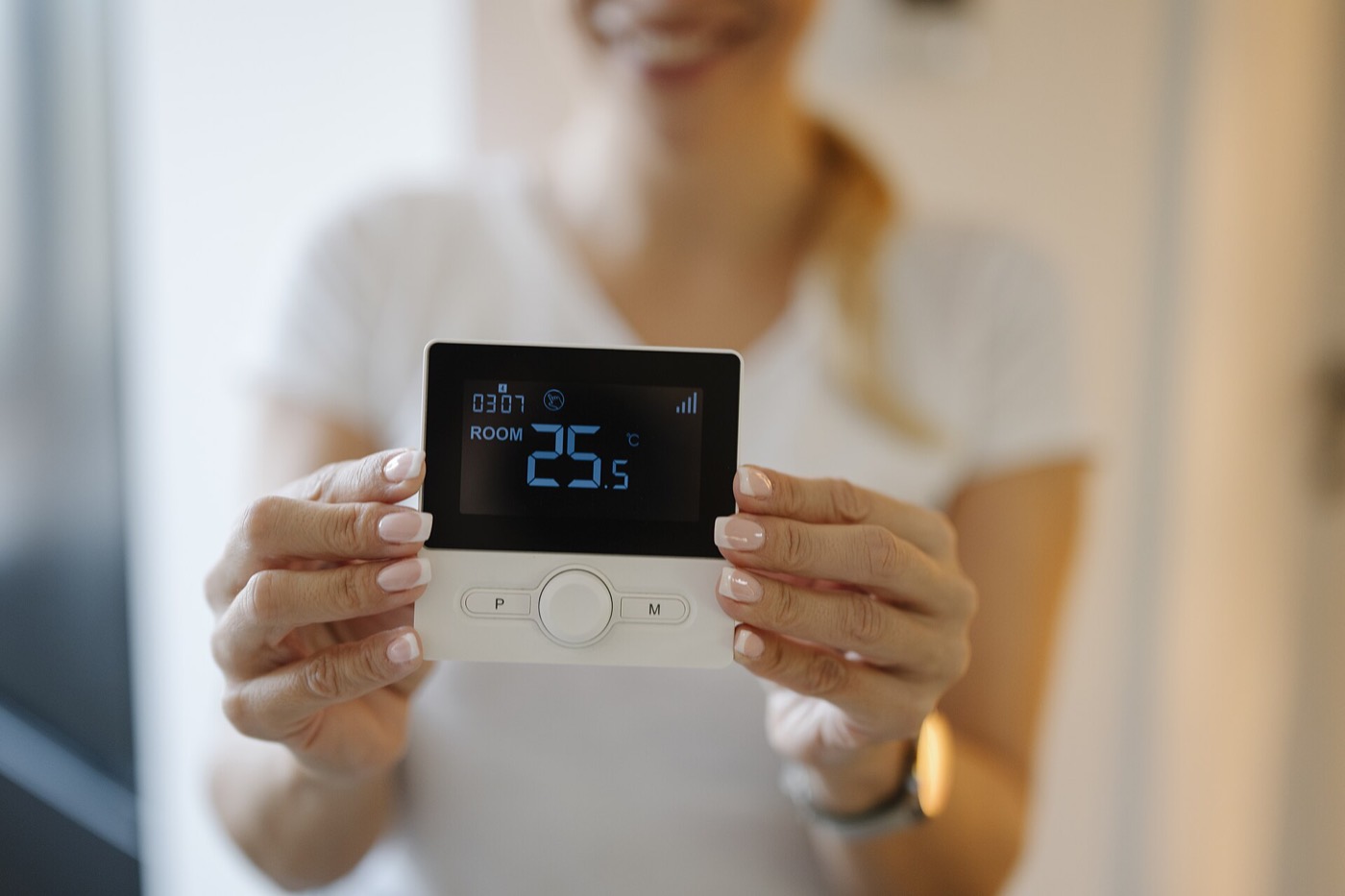
- Set a safe minimum temperature and turn off any schedules that drop it lower
- Install a smart thermostat that sends alerts when the temperature falls or the system goes offline
- Add leak sensors near the water heater, under sinks, near the washer and by the boiler
- Keep Wi-Fi powered and consider a cellular-backed sensor if the internet may go down
Step 4: Protect the plumbing
- Shut off the main water valve when the house is empty, if you keep the heat on
- Open cabinet doors under sinks on outside walls
- Insulate exposed pipes in crawl spaces, garages and under elevated homes
- Drain outdoor showers and hose bibs and shut their supply valves
- Disconnect garden hoses
- Know exactly where the main shutoff is, and tell your caretaker
Step 5: The water heater
If the house stays heated and the water stays on, set the water heater to its vacation setting if it has one. If you shut the water off, follow the manufacturer's instructions for gas or electric heaters, since heating an empty tank damages it. If the plumbing is being drained, the water heater must be drained too. Tank water heaters in salty, humid garages also benefit from a pre-season check of the anode rod and venting. See water heater lifespan.
Step 6: Outdoor units and salt air
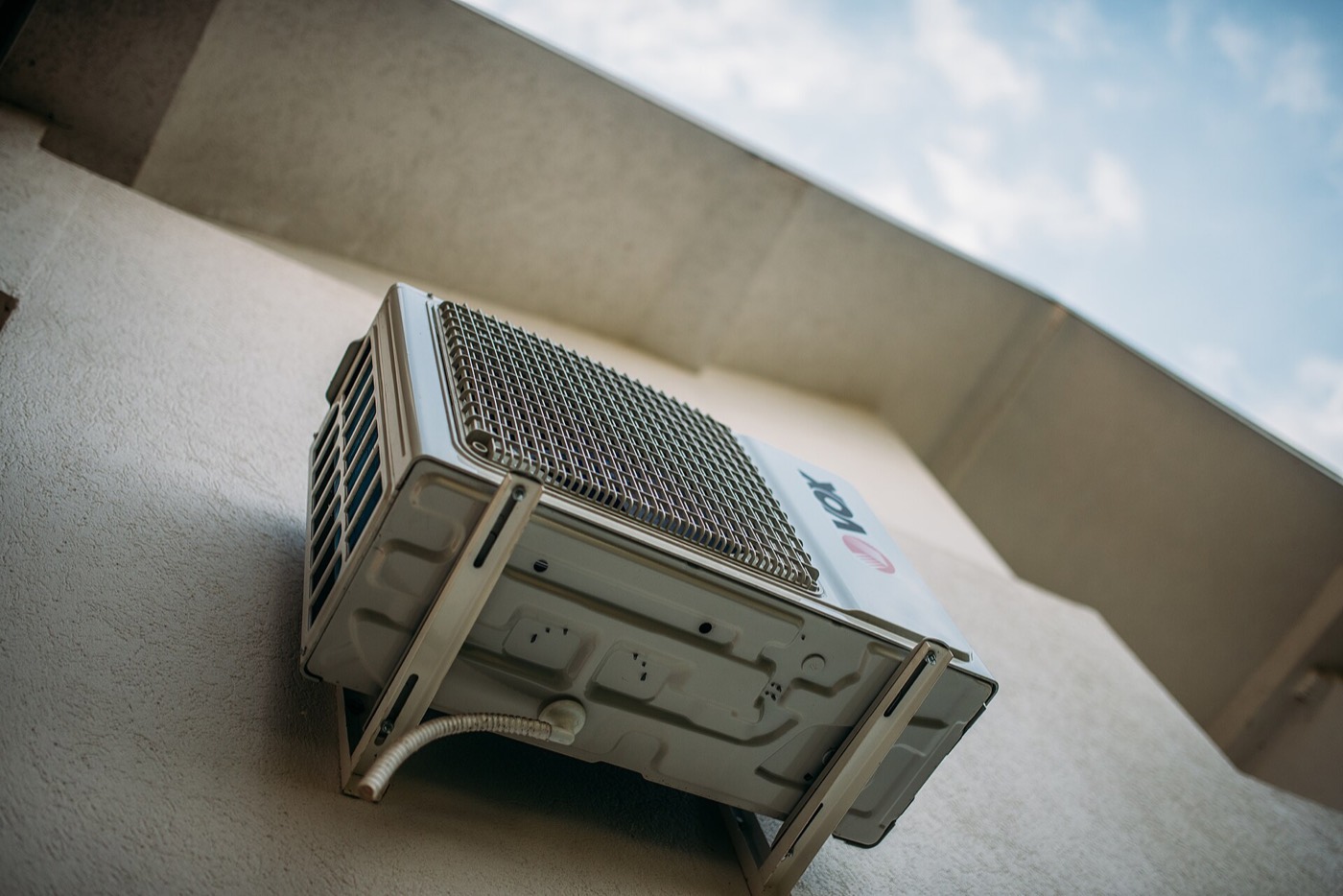
- Rinse the outdoor coil with fresh water (gentle hose pressure) to remove salt before winter
- Check mounting and platforms on elevated homes for rust and loose fasteners
- Keep snow and sand clear around heat pumps, which must run in winter
- Do not wrap a heat pump in a cover; it needs airflow. A breathable top cover on an AC-only condenser is fine
- Check refrigerant line insulation for UV and salt damage
Step 7: Vents, chimneys and intakes
High-efficiency furnaces and boilers vent through plastic pipes on a side wall. Make sure they are clear of sand drifts, snow and nests, and that nothing stored nearby can block them during a storm. Chimneys serving oil or gas equipment should be checked for blockages.
Step 8: Humidity in a closed-up house
Closed shore houses can get damp and musty, especially near the bay. A heated house with some air circulation stays drier. Consider a dehumidifier set to drain to a floor drain, and leave interior doors open. See humidity control.
Step 9: Storm prep
- Secure outdoor items that could hit equipment in high winds
- Check flood vents and elevation of equipment
- Know how to shut off power and gas safely
- After a storm surge, never restart equipment that has been underwater until it has been checked
See hurricane and storm prep, HVAC after flooding and raising HVAC above flood levels.
Step 10: Arrange regular checks
Even with alerts, someone should walk through the house periodically, especially after cold snaps and storms. A neighbor, property manager or service visit can spot drips, odors or a tripped breaker early. Leave them your HVAC company's number.
Rentals and short-term stays
If you rent the house in the off-season, leave clear thermostat instructions, ask renters not to turn the heat off when they leave and set a lock or limit on the thermostat if your model allows. See shore house HVAC for seasonal rentals.
Opening up in spring
When you return, reverse the steps: restore water slowly and check for leaks, refill and restart the water heater, run the heat or AC and have the cooling system tuned up before summer. Rinse the outdoor coil again after a winter of salt and storms.
Mistakes we see every winter
- Turning the heat all the way off in a house that still has water in the pipes
- Leaving the thermostat on a schedule that drops the temperature too low overnight
- Forgetting the outdoor shower, which freezes and splits its pipes
- Wrapping a heat pump in a cover, which stops it from heating
- No way to know the heat failed until a neighbor sees water coming out of the garage
- Letting propane or oil run low while the house is empty
Insurance and paperwork
Many insurance policies have conditions for unoccupied homes, such as keeping the heat on or the water shut off and having the house checked regularly. Read your policy or ask your agent before the season, and keep receipts for your heating tune-up and any winterizing work.
Your shore house winterizing checklist
- Heating system tuned up and filter replaced
- Smart thermostat set to a safe minimum with alerts
- Leak sensors placed
- Main water shut off (or plumbing professionally drained)
- Outdoor showers and hose bibs drained
- Outdoor unit rinsed and checked; vents clear
- Dehumidification plan
- Caretaker arranged with emergency numbers
Barrier island vs bayfront homes
Oceanfront and barrier island homes take the most salt and wind, so outdoor equipment and vents need the closest attention. Bayfront and lagoon homes stay damper, so humidity and flood-level placement matter more. Both benefit from a fall service visit and a plan for checking the house after storms.
Let us get your shore house ready
We service homes across the barrier island and bayfront towns, from Long Beach Township and Seaside Heights to Point Pleasant Beach and Manasquan, with fall tune-ups, repairs and a 24/7 emergency line. Our $89 heating tune-up is available this season (terms apply).
Frequently asked questions
What temperature should I leave my shore house at in winter?
Many owners keep an empty house heated to a safe minimum, often in the mid to upper 50s, so pipes in outside walls do not freeze. Homes with plumbing in crawl spaces or unheated areas may need more protection. Ask your plumber and insurer what they recommend.
Should I turn off the water at my shore house for winter?
Shutting off the main water valve when the house is empty limits damage if a pipe breaks. If you fully drain the plumbing instead of heating the house, have it done properly by a plumber, including the water heater and fixtures.
How can I monitor my shore house in winter?
A smart thermostat with temperature alerts, plus leak sensors near the water heater and under sinks, can warn you on your phone if the heat fails or water leaks.
Do heat pumps work in shore houses in winter?
Modern heat pumps heat well in New Jersey winters. In salt air, outdoor coils need rinsing and yearly maintenance, and backup heat should be checked before the house is left empty.
Do you service vacation homes at the shore?
Yes. We service shore and barrier island homes across Ocean and Monmouth counties, including fall start-ups and checks, heating repair and 24/7 emergency service.
HVAC Tune-Ups near you
We provide HVAC tune-ups in all 153 towns across Ocean, Monmouth, Burlington and Middlesex counties. Find your area:
Monmouth County (all 53 towns)
Too hot? Too cold? Let’s fix that today.
Book online in about a minute or call us for honest advice and an upfront quote. Same day service across Ocean, Monmouth, Burlington and Middlesex counties.
- $50 off your first repair (new customers, terms apply)
- 24/7 emergency line
- Upfront quotes
- No hidden fees
- Licensed & family owned


Install our app
On your iPhone or iPad, in Safari:
- Tap the Share button ↑︎ at the bottom of the screen
- Scroll down and tap Add to Home Screen
- Tap Add. The app appears on your home screen
Using Chrome on iPhone? Tap the share icon in the address bar, then Add to Home Screen.
On your Android phone, in Chrome:
- Tap the menu ⋮ at the top right
- Tap Install app (or Add to Home screen)
- Tap Install. The app appears on your home screen
No app store, no sign-up needed. Book service, track appointments and see your invoices and receipts.