In this guide
Quick answer: In flood-prone Jersey Shore homes, protect your HVAC system by raising outdoor units on platforms or wall brackets, moving indoor equipment (furnace, boiler, water heater, air handler) out of basements and ground-level rooms into an upper floor, attic or raised utility space, and elevating electrical parts. Requirements in flood zones are set locally, often tied to the base flood elevation plus extra freeboard, so check with your municipality first. The most cost-effective time is when equipment is due for replacement or the home is being renovated or raised. We plan and install elevated systems; see AC installation and furnace and heat pump installation.
Superstorm Sandy showed how quickly flooding can destroy heating and cooling equipment in shore and bayfront homes. Many homes were raised afterward, but plenty of equipment still sits in basements, crawl spaces and garages at or near flood level. This guide explains your options for protecting it.
Why flooding is so damaging to HVAC
Floodwater, especially salt water, attacks the parts of HVAC equipment that are hardest to replace:
- Electrical controls and circuit boards
- Motors (blowers, inducers, circulators, compressors)
- Gas valves and burners
- Insulation inside furnaces, air handlers and ductwork
- Water heater burners and controls
- Outdoor unit coils and electrical components
Even brief submersion can make equipment unsafe. Flooded ductwork can also hold contaminants and moisture that lead to mold. See HVAC after flooding and storm surge.
Know your flood zone and local rules
Before planning, find out:
- Your property's flood zone on FEMA flood maps
- The base flood elevation (BFE) for your property
- Your municipality's elevation requirements for mechanical equipment, which may add extra height (freeboard) above BFE
- Any requirements tied to substantial improvement or substantial damage
Your town's construction or floodplain management office can explain what applies. Insurance considerations may also apply, so talk to your agent.
Outdoor units: platforms and brackets
Raised platforms: sturdy, properly anchored platforms lift condensers and heat pumps above expected flood levels. They must be built to handle wind loads and the weight of the equipment, with access for service.
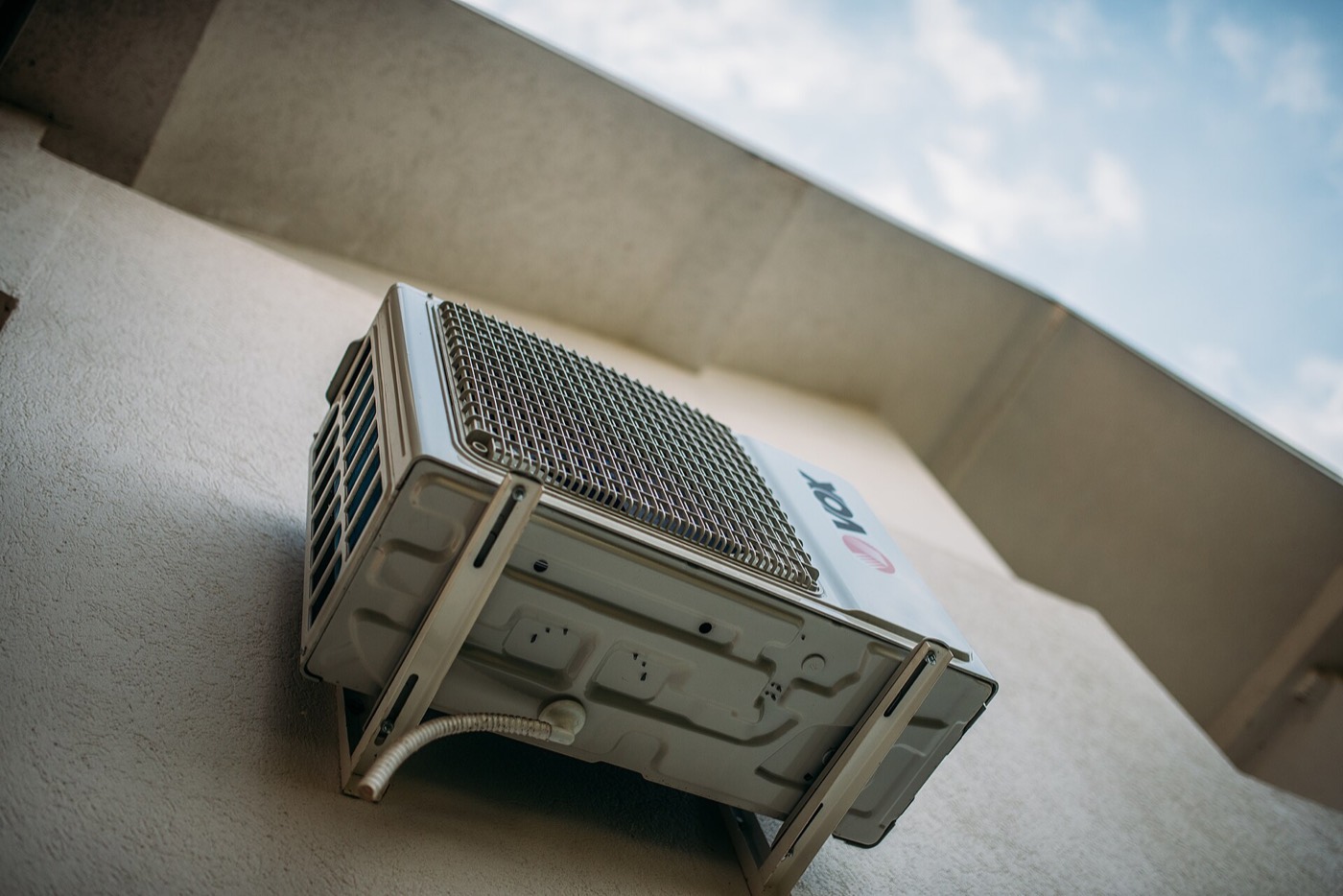
Wall brackets: some smaller units, including many ductless mini-split condensers, can be mounted on brackets on the side of an elevated home.
Roof or deck locations: on some raised homes, equipment can sit on a deck or structure at living-floor level.
Things to plan:
- Secure anchoring for high winds
- Safe access for technicians (stairs or a service platform)
- Electrical disconnects at the elevated location
- Refrigerant line and wiring routes protected from damage
- Clearance for airflow around the unit
- Salt air protection: rinse coils and consider coastal-rated equipment (see salt air corrosion)
Indoor equipment: getting it out of harm's way
Furnaces and air handlers
Options include relocating to an upstairs utility closet, an attic or a raised utility room. Moving a furnace requires planning venting, ductwork, gas piping and condensate drainage (see frozen condensate lines for why drains in cold attics need protection).
Boilers
Modern wall-hung gas boilers and tankless combi boilers are compact enough to mount high on a wall or in an upstairs space, and a combi can also replace a separate water heater. See combi boiler guide.
Water heaters
Tank water heaters can sometimes be placed on a raised, properly built stand or moved upstairs. Tankless water heaters mount on a wall and take little space, making relocation easier. See tankless vs tank.
Heat pumps
A heat pump system with an elevated outdoor unit and an air handler upstairs or in the attic can replace a basement furnace in many homes, providing both heating and cooling. See heat pump vs furnace.
Ductwork
Ducts in crawl spaces that flood are hard to clean and dry. When equipment moves up, consider rerouting ducts through conditioned space or the attic, sealed and insulated.
Electrical components
Elevating the equipment is not enough if the electrical panel, disconnects, outlets and controls remain at flood level. Coordinate with a licensed electrician so power to the elevated equipment is also protected.
When is the best time to elevate?
- When equipment is due for replacement: elevate as part of the new installation
- During a home raise or major renovation: plan mechanical locations from the start
- After flood damage: replace with elevated equipment rather than reinstalling at the same level
- For outdoor units in high-risk areas: raising them can make sense at any time
Planning questions to ask
- What is my flood zone and the required equipment elevation?
- Where can the new equipment go: upstairs, attic, raised room or platform?
- How will venting, ductwork, gas and drainage be routed?
- Is there safe service access at the new location?
- Would a different type of equipment (heat pump, combi boiler, tankless) fit better?
- What permits and inspections are required?
What to do before the next storm
Even before you elevate, you can reduce risk:
- Know how to shut off power and gas to equipment safely
- Secure outdoor items that could hit equipment
- Keep equipment records and photos for insurance
- Never restart equipment that has been underwater until it is inspected
Costs and trade-offs to weigh
Elevating equipment adds work: platforms, longer refrigerant lines, new venting routes, extra ductwork and electrical changes. The trade-off is avoiding a full replacement after the next flood, plus less downtime and cleanup. When equipment is already due for replacement, much of that extra work overlaps with the new installation anyway, which is why combining the two usually makes the most sense. We include elevation options in our written estimates so you can compare them side by side.
Smaller equipment makes elevation easier
Equipment choices can make a big difference in tight shore homes:
- Ductless mini-splits need no ductwork and their outdoor units are compact enough for wall brackets
- Wall-hung combi boilers replace both a floor-standing boiler and a tank water heater
- Tankless water heaters mount on a wall at a safe height
- Compact air handlers fit in upstairs closets or attics
Insurance and documentation
Keep photos, model numbers, installation dates and receipts for all equipment in a safe place (or in the cloud). After a flood, that documentation speeds up insurance claims. Ask your insurance agent whether elevating equipment affects your policy or premium.
Shore homes we serve
Barrier island, bayfront and lagoon neighborhoods face the highest flood risk, from Ortley Beach and Seaside Heights to Long Beach Island, the Toms River and Barnegat Bay shorelines and Mystic Islands. Each of our town pages includes local housing data and guidance for that area. See also winterizing a shore house and Long Beach Island HVAC guide.
Common mistakes
- Raising the unit but leaving the disconnect low
- Building a platform without anchoring for wind
- Moving a furnace to an attic without planning the condensate drain
- Forgetting service access, which makes every repair harder and more expensive
- Reinstalling at the same level after a flood
Plan your elevated system
We are a family-owned, veteran-owned company led by a licensed NJ Master HVACR contractor (25 years of experience) and a founder with 40 years in heating and cooling. We design and install elevated and relocated systems across Ocean and Monmouth counties, including Toms River, Brick and Little Egg Harbor, with upfront quotes and $500 off a new heating or cooling system (terms apply). Book a free estimate online or call us.
Frequently asked questions
Can HVAC equipment be repaired after a flood?
Equipment that has been underwater, especially controls, motors, burners, gas valves and electrical parts, usually needs to be replaced for safety. Never restart flooded equipment until it has been inspected.
How high should my AC unit be in a flood zone?
It depends on your home’s flood zone and your municipality’s requirements, which are often tied to the base flood elevation plus extra freeboard. Check with your town’s construction or floodplain office before installing or raising equipment.
Can I move my furnace out of the basement?
Often yes. Options include an upstairs closet, an attic, a raised utility room or switching to equipment that fits in a smaller space, such as a wall-hung boiler, a combi boiler or a heat pump air handler. Venting, ductwork and drainage must be planned.
Is it worth raising HVAC equipment before it needs replacing?
Raising an outdoor unit or relocating a water heater can be worthwhile on its own in high-risk areas. For furnaces and boilers, it is usually most cost-effective to elevate when the equipment is due for replacement.
Do you install HVAC equipment in flood-prone shore homes?
Yes. We install and relocate furnaces, boilers, heat pumps, air conditioners and water heaters in shore, bayfront and lagoon homes across Ocean and Monmouth counties, following local requirements.
Furnace & Heat Pump Installation near you
We provide furnace & heat pump installation in all 153 towns across Ocean, Monmouth, Burlington and Middlesex counties. Find your area:
Monmouth County (all 53 towns)
Too hot? Too cold? Let’s fix that today.
Book online in about a minute or call us for honest advice and an upfront quote. Same day service across Ocean, Monmouth, Burlington and Middlesex counties.
- $50 off your first repair (new customers, terms apply)
- 24/7 emergency line
- Upfront quotes
- No hidden fees
- Licensed & family owned


Install our app
On your iPhone or iPad, in Safari:
- Tap the Share button ↑︎ at the bottom of the screen
- Scroll down and tap Add to Home Screen
- Tap Add. The app appears on your home screen
Using Chrome on iPhone? Tap the share icon in the address bar, then Add to Home Screen.
On your Android phone, in Chrome:
- Tap the menu ⋮ at the top right
- Tap Install app (or Add to Home screen)
- Tap Install. The app appears on your home screen
No app store, no sign-up needed. Book service, track appointments and see your invoices and receipts.