
In this guide
Quick answer: On Long Beach Island, salt spray, wind-blown sand and storm flooding wear out air conditioners and heat pumps much faster than inland. Elevated homes put outdoor units where exposure is worst, and seasonal homes build up humidity when closed. The best protection is regular freshwater rinsing of the outdoor coil, a pre-season tune-up, corrosion-resistant equipment and humidity control while the house is empty.
Long Beach Island is 18 miles of barrier island with the ocean on one side and Barnegat Bay on the other. From Barnegat Light and Harvey Cedars through Surf City, Ship Bottom and the many sections of Long Beach Township down to Beach Haven, homes face some of the toughest conditions for HVAC equipment in New Jersey.
What salt air does to your system
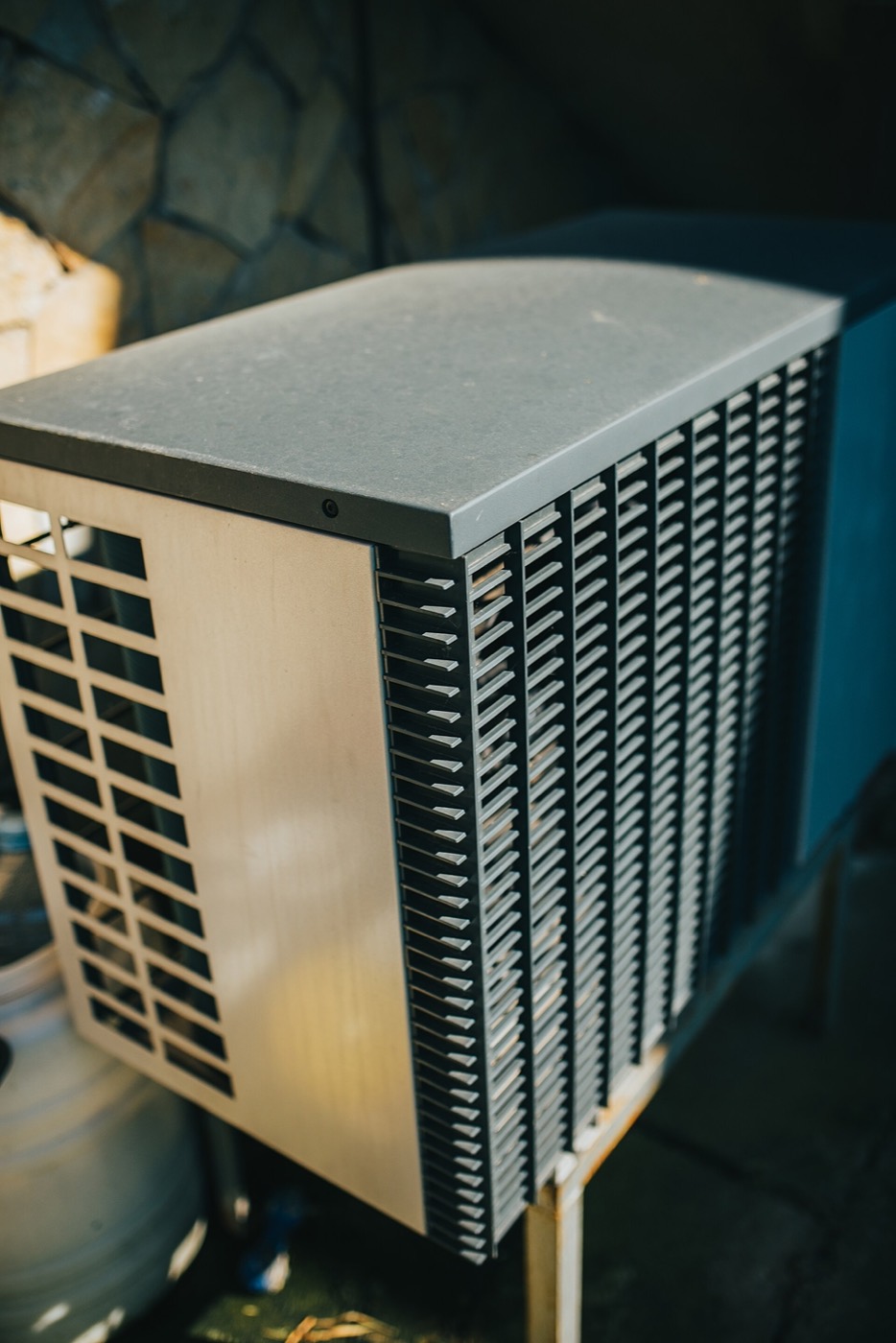
Salt-laden air settles on the outdoor coil of your air conditioner or heat pump. Combined with moisture, it corrodes the thin aluminum fins and the copper tubing they surround. Over time:
- Fins crumble and block airflow
- Pinhole leaks form in the coil, letting refrigerant escape
- Fasteners, cabinets and mounting brackets rust
- Electrical contacts, capacitors and contactors corrode and fail
Sand makes it worse by packing into the coil and abrading surfaces. Read the full breakdown in salt air and AC corrosion.
Elevated homes and rooftop units
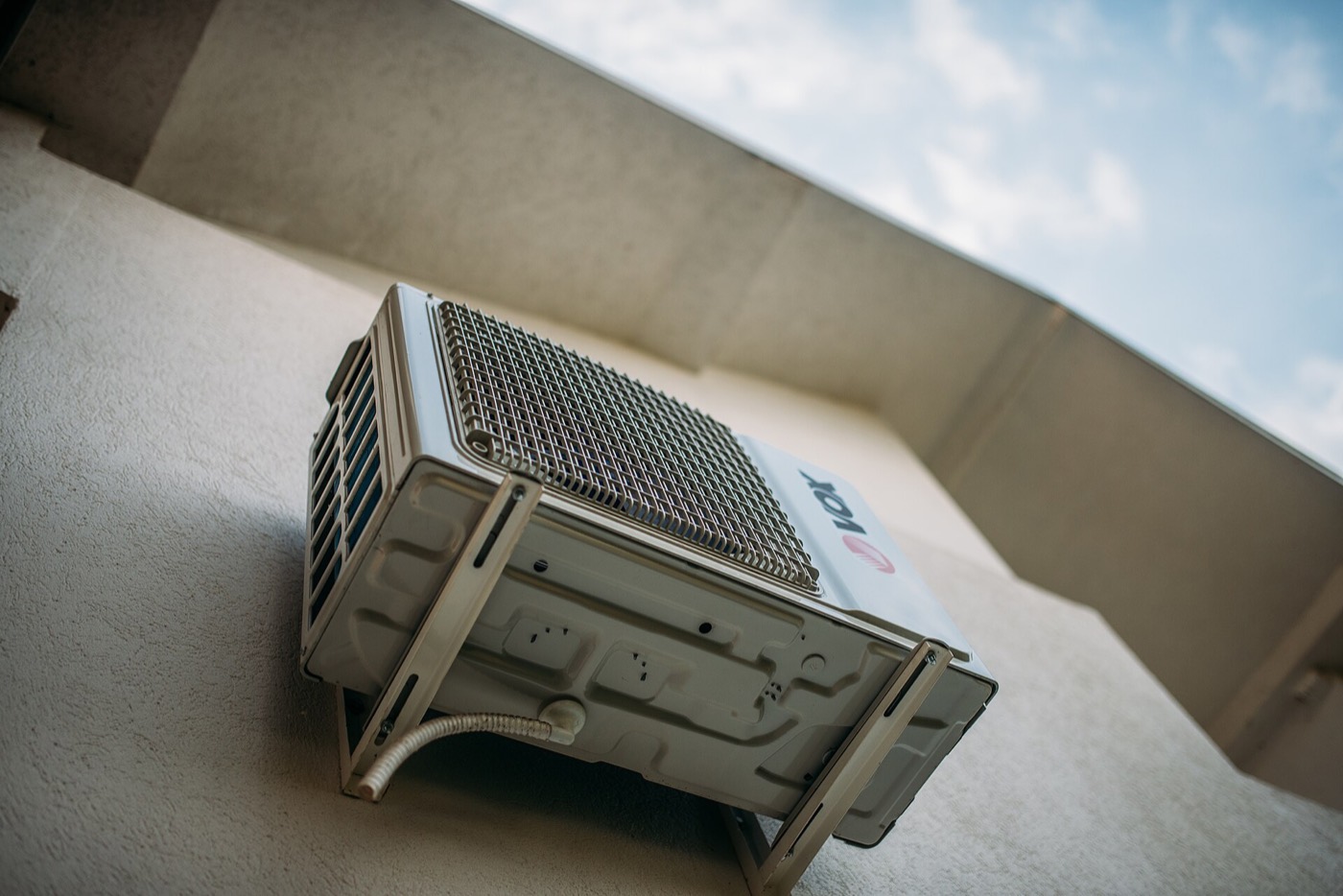
After Superstorm Sandy, many LBI homes were raised, and outdoor units moved to platforms, decks or rooftops above the flood elevation. That keeps them out of the water, but it also puts them in the full force of the wind and salt spray. Secure mounting, hurricane straps where appropriate, and easy, safe access for service all matter. Long refrigerant line runs to elevated units also need to be installed and charged correctly.
Flooding and storms
Equipment that sits below flood elevation is at risk every time a nor'easter or tropical storm pushes water over the island or the bay rises. If your outdoor unit, air handler, furnace or water heater has been in floodwater, don't turn it on until it's inspected; electrical components and controls exposed to salt water are unsafe. See HVAC after flooding and our hurricane prep checklist.
Seasonal homes and rentals
Many LBI homes sit empty for part of the year or run as summer rentals. That brings its own issues:
- Humidity builds up in a closed house, leading to musty smells and mold. A dehumidifier or a humidity setting on a smart thermostat helps; see whole-home dehumidifiers.
- Problems hide until guests arrive. A system that sat all winter may have a failed capacitor, clogged drain or refrigerant leak.
- Heavy summer use. Rentals often run the AC hard all day, every day, for months.
Schedule a spring tune-up before Memorial Day, and read shore house HVAC for seasonal rentals.
How to protect your HVAC on LBI
- Rinse the outdoor coil with fresh water every few weeks in summer, power off, gentle hose pressure only. Never a pressure washer.
- Keep it clear. Remove sand, grass and debris, and leave at least two feet of clearance.
- Book a spring tune-up that includes coil cleaning, electrical checks and refrigerant pressures. See what happens during an AC tune-up.
- Choose corrosion-resistant equipment when replacing: coated coils, stainless or coated fasteners and cabinets designed for coastal use.
- Control humidity year round, especially when the house is closed.
- Check the condensate drain before the season; clogged drains cause water damage in elevated homes.
Heating on the island
Winters on LBI are milder than inland, but wind off the ocean makes homes feel colder, and many island homes use heat pumps. Heat pump outdoor units face the same salt exposure in winter as in summer. Fall maintenance, clear outdoor units and a properly sized system keep heat pumps efficient. See heat pumps in New Jersey winters.
Repair or replace?
Coastal equipment often reaches the end of its life sooner than inland systems. If the coil is badly corroded and leaking refrigerant, replacement is usually the better choice. Our guide to repair or replace your AC walks through the decision.
Questions to ask before you buy new equipment for an island home
Replacing a system on Long Beach Island is a bigger decision than on the mainland, because the environment is harder on equipment and access can be tighter. Before you sign off on a quote, ask:
- Where will the outdoor unit go? Placement on a raised platform, out of the direct path of ocean spray and above likely flood levels, matters as much as the equipment itself.
- What corrosion protection is included? Ask about coated coils, stainless or composite hardware and cabinet options designed for coastal installs.
- How will the line set and wiring be protected? UV, salt and wind wear down insulation and exposed wiring faster at the shore.
- Is the system sized for the house, not just the square footage? Large windows, open floor plans and sun exposure change the load. See how to size an AC or heat pump.
- What maintenance does it need? Island equipment benefits from regular coil rinsing and a yearly check of electrical connections.
A good installer will answer these clearly and in writing, so you can compare quotes on more than price.
Rental season checklist
If you rent your home to summer guests, a quick check before Memorial Day saves emergency calls in July: replace filters, test cooling on every zone, clear condensate drains, rinse the outdoor coil, and leave clear thermostat instructions for guests. See shore house HVAC for seasonal rentals.
LBI HVAC service
We provide AC and heat pump repair, installation and maintenance across Long Beach Island, from AC repair in Ship Bottom and Surf City to AC installation in Long Beach Township and tune-ups in Beach Haven. Book online or call for same day service and an upfront price.
Frequently asked questions
Why do AC units fail faster on Long Beach Island?
Salt spray and wind-blown sand coat the outdoor coil and corrode aluminum fins, copper tubing, fasteners and electrical contacts. Units on elevated platforms get even more exposure.
How often should I rinse my AC condenser at the beach?
Every few weeks during the summer, with gentle hose pressure and fresh water, with the power off. Never use a pressure washer, which can flatten the fins.
What is a coastal-rated air conditioner?
Some manufacturers offer coil coatings and corrosion-resistant hardware for coastal installations. They cost more but can extend equipment life near the ocean.
When should I schedule service for my LBI rental?
Book a spring tune-up before Memorial Day so problems are fixed before the first guests arrive. A fall check before closing up is also a good idea.
Do you service homes on Long Beach Island?
Yes. Prime Comfort Group serves Long Beach Township, Ship Bottom, Surf City, Harvey Cedars, Barnegat Light and Beach Haven with same day service and 24/7 emergency help.
Too hot? Too cold? Let’s fix that today.
Message us on WhatsApp and our team will get back to you with honest advice and an upfront quote. Same day service across Ocean, Monmouth, Burlington and Middlesex counties.
- Upfront quotes
- No hidden fees
- Licensed & family owned


Install our app
On your iPhone or iPad, in Safari:
- Tap the Share button ↑︎ at the bottom of the screen
- Scroll down and tap Add to Home Screen
- Tap Add. The app appears on your home screen
Using Chrome on iPhone? Tap the share icon in the address bar, then Add to Home Screen.
On your Android phone, in Chrome:
- Tap the menu ⋮ at the top right
- Tap Install app (or Add to Home screen)
- Tap Install. The app appears on your home screen
No app store, no sign-up needed. Book service, track appointments and see your invoices and receipts.