
In this guide
Quick answer: Before a hurricane or nor'easter, anchor your outdoor unit, clear loose debris, label your breakers and gas shutoff, and photograph your equipment. If flooding is likely, turn off power to equipment in flood-prone areas before water arrives, if it's safe. After the storm, rinse salt off dry outdoor units and never run equipment that was underwater; have it inspected first. Run generators outdoors only.
Living at the Jersey Shore means keeping an eye on the forecast. The Atlantic hurricane season runs from June 1 to November 30, and nor'easters can bring damaging wind, coastal flooding and storm surge in fall and winter. Hurricane Sandy in 2012 showed how quickly salt water can destroy furnaces, water heaters and AC condensers in Ortley Beach, Seaside, Brick and along Barnegat Bay. A little preparation goes a long way.
Before the storm
Secure the outdoor unit
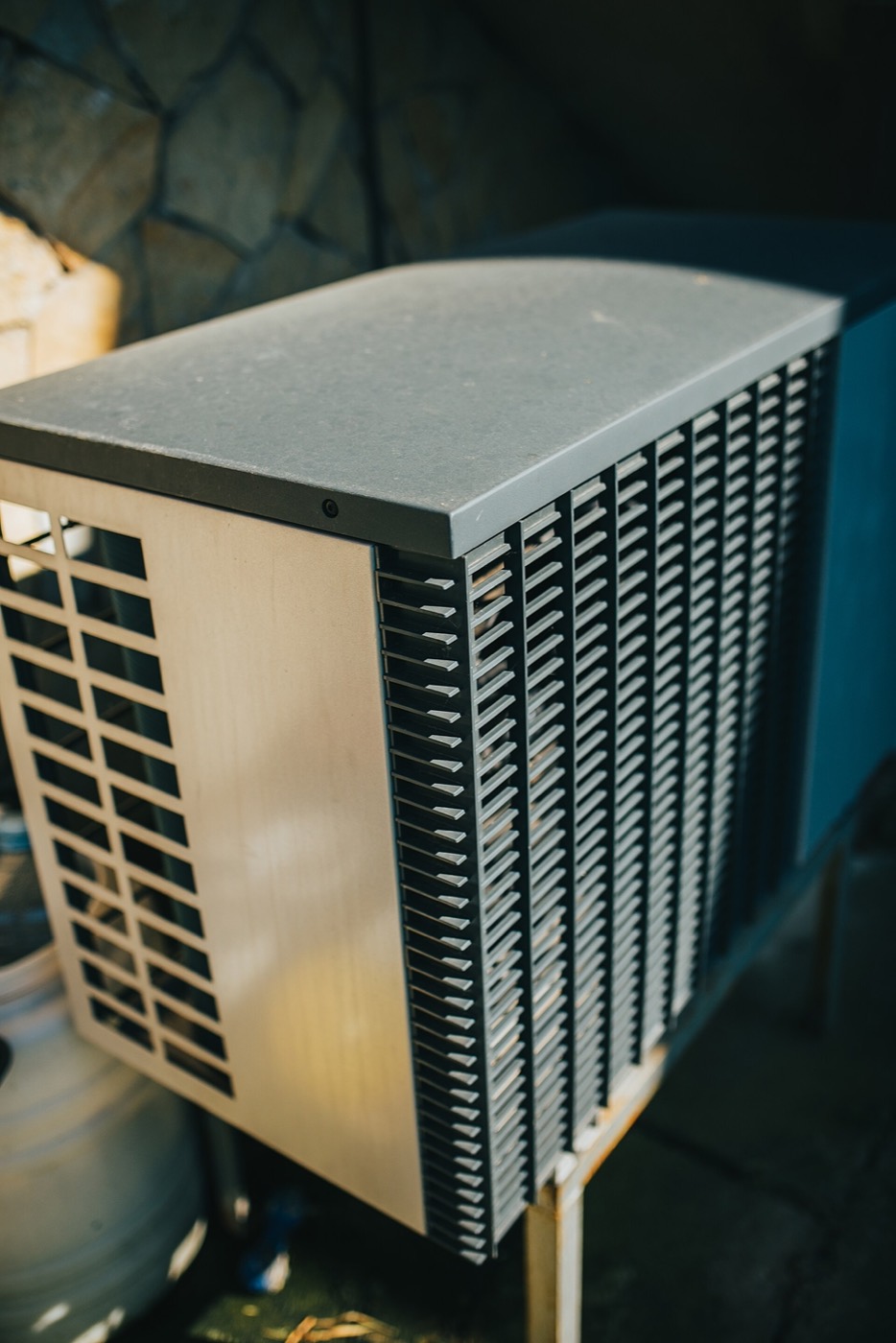
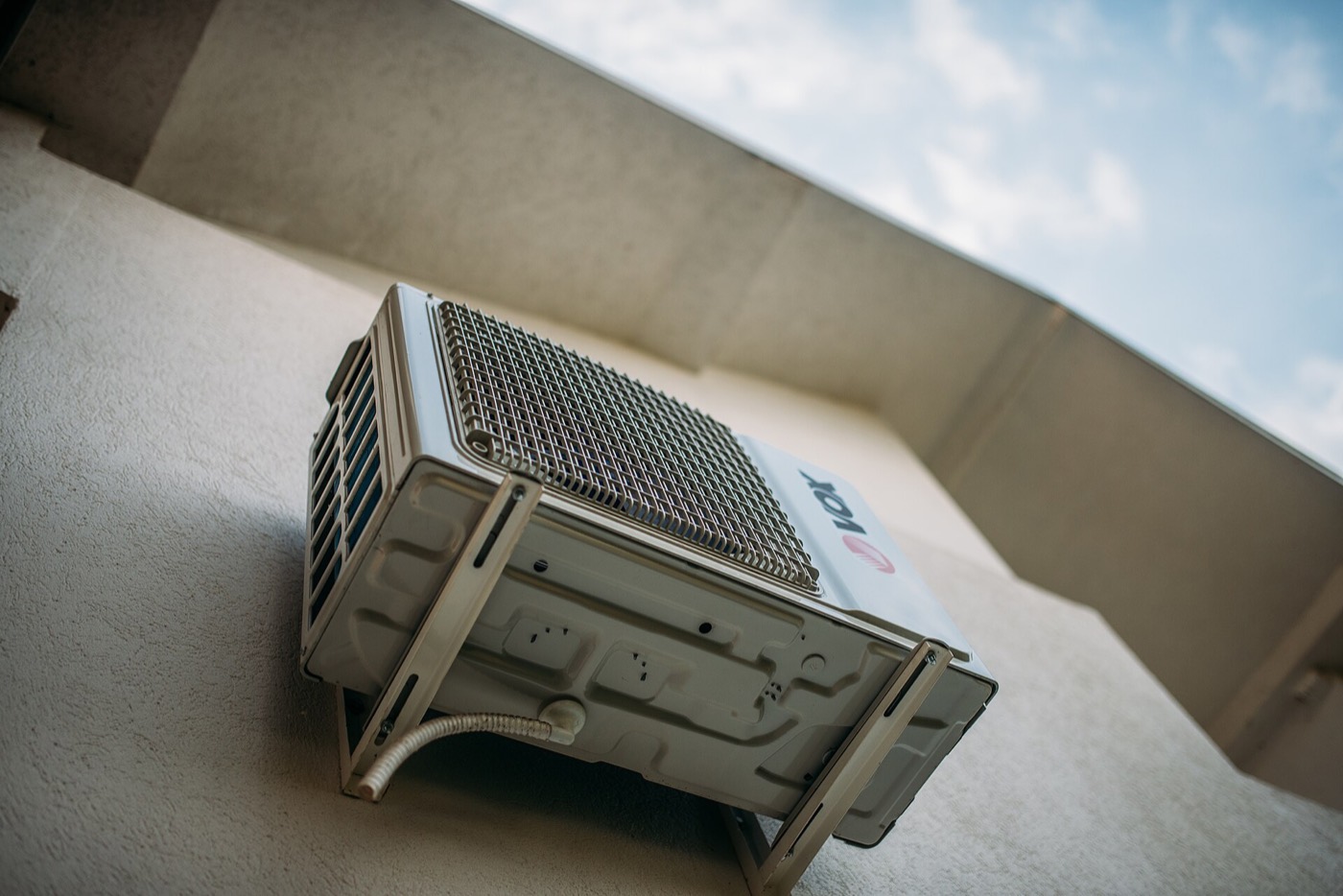
- Check that the condenser or heat pump is anchored to its pad, platform or wall bracket. Hurricane straps or tie-downs help in exposed locations.
- Make sure elevated platforms and brackets are solid, since salt corrodes fasteners over time.
Clear the area
Remove or secure anything that could become a projectile near the unit: patio furniture, planters, grills, trash cans, beach gear and loose branches.
Know your shutoffs
Find the breakers for the indoor unit and outdoor condenser, the outdoor disconnect box, the furnace power switch and the gas shutoff. Label them now, not in the dark.
Document your equipment
Photograph your HVAC equipment, data plates (model and serial numbers) and surroundings. It helps with insurance claims later.
Pre-cool (or pre-heat) the house
If you expect a power outage, cool or warm the house a bit ahead of time and close blinds to hold the temperature longer.
When the storm arrives
- If flooding is likely where equipment sits (basements, crawl spaces, ground-level condensers), turn off power to that equipment before water arrives, if you can do so safely.
- During severe weather and outages, consider turning the system off at the thermostat to protect it from power surges when electricity flickers or returns.
- Never stand in water to reach a breaker. If water is rising, leave it to the utility or an electrician.
Generator safety
Generators save lives during long outages, and they cause tragedies every year. Run generators outdoors only, far from doors, windows and vents, never in a garage, basement or enclosed porch, even with the door open. Make sure CO alarms are working. See our carbon monoxide safety guide.
After the storm
If equipment stayed dry
- Clear debris from around and on top of the outdoor unit.
- Rinse salt and sand off the coil gently with fresh water (power off). Wind-driven salt spray can coat equipment even without flooding. See salt air and AC corrosion.
- Check for bent fins, dents, a shifted unit or damaged refrigerant lines.
- Restore power once electrical service is stable, then watch the system's first cycles.
If equipment was underwater or damaged
- Do not turn it on. Water can damage gas valves, controls and wiring in ways you can't see, creating fire, shock or CO hazards.
- Keep power and gas off and call for a professional inspection.
- Salt water is especially destructive. Components that were submerged usually need replacing.
Our detailed guide covers this step by step: flooded HVAC equipment: what to do.
Insurance and documentation tips
Standard homeowners policies usually exclude flood damage, while flood insurance through the National Flood Insurance Program or a private carrier may cover HVAC equipment, with limits for basements and crawl spaces. Keep installation paperwork, model and serial numbers, maintenance records and pre-storm photos in one place, ideally in the cloud. Good records make claims faster and easier.
Long-term storm protection
| Upgrade | Benefit |
|---|---|
| Elevate the condenser above flood elevation | Keeps equipment out of surge and floodwater |
| Wind-rated anchoring | Prevents the unit from shifting or tipping |
| Move furnace/air handler out of flood-prone basements | Protects the most expensive indoor equipment |
| Corrosion-resistant equipment and coil coatings | Longer life in salt air |
| Surge protection | Helps protect electronics from power spikes |
Replacing HVAC equipment in New Jersey typically requires a permit, and flood-zone properties may have elevation requirements. We handle permits as part of installation.
A storm-season checklist for shore homeowners
Before the season (late spring):
- Schedule an AC tune-up so the system is in good shape before summer storms and heat.
- Check anchoring on the condenser and platform; replace rusted fasteners.
- Confirm CO alarms work and keep spare batteries on hand.
- Save our number and WhatsApp in your phone.
When a storm is forecast:
- Secure or bring in loose outdoor items.
- Photograph equipment and data plates.
- Plan when you'll shut off power to flood-prone equipment.
After the storm:
- Inspect from a safe distance first; look for flooding, debris and damage.
- Rinse salt off dry outdoor units once it's safe.
- Keep flooded equipment off and call for an inspection.
- Watch for musty odors in the following weeks, which can signal hidden moisture.
Storm-season help at the shore
We're based in Pine Beach and know what storms do to shore homes. We serve Ortley Beach, Seaside Heights, Brick, Forked River, Long Branch and all of Ocean and Monmouth counties, with same day service and 24/7 emergency help. Save our number now, and message us on WhatsApp or call when you need an inspection.
Frequently asked questions
Should I cover my AC unit before a hurricane?
You can, but focus first on securing it. A cover won't stop flooding or wind damage, and a tight plastic wrap can trap moisture. The best steps are anchoring the unit, clearing loose debris and turning off power if flooding is expected.
Should I turn off my AC during a hurricane?
If your area may lose power or flood, it's wise to turn the system off at the thermostat and breaker before the worst arrives. Power surges and flooding can damage equipment.
Can I run my AC after a storm?
If the equipment stayed dry and has no visible damage, it's usually fine once power is stable. If any part was underwater or hit by debris, don't turn it on. Have it inspected first.
Is it safe to run a generator during a storm?
Only outdoors, far from doors, windows and vents, never in a garage or basement. Generator exhaust contains carbon monoxide, which can be deadly. Make sure CO alarms are working.
How do I protect my outdoor unit from storm surge?
The most effective long-term protection is elevating the condenser on a platform above the flood elevation required for your property, with secure anchoring for wind. Ask your town's construction office about local requirements.
Do you offer HVAC inspections after storms?
Yes. Prime Comfort Group inspects and repairs storm-affected HVAC equipment and offers 24/7 emergency service across Ocean and Monmouth counties. Message us on WhatsApp or call (732) 779-7106.
Too hot? Too cold? Let’s fix that today.
Message us on WhatsApp and our team will get back to you with honest advice and an upfront quote. Same day service across Ocean, Monmouth and Burlington counties.
- Upfront quotes
- No hidden fees
- Licensed & family owned