
In this guide
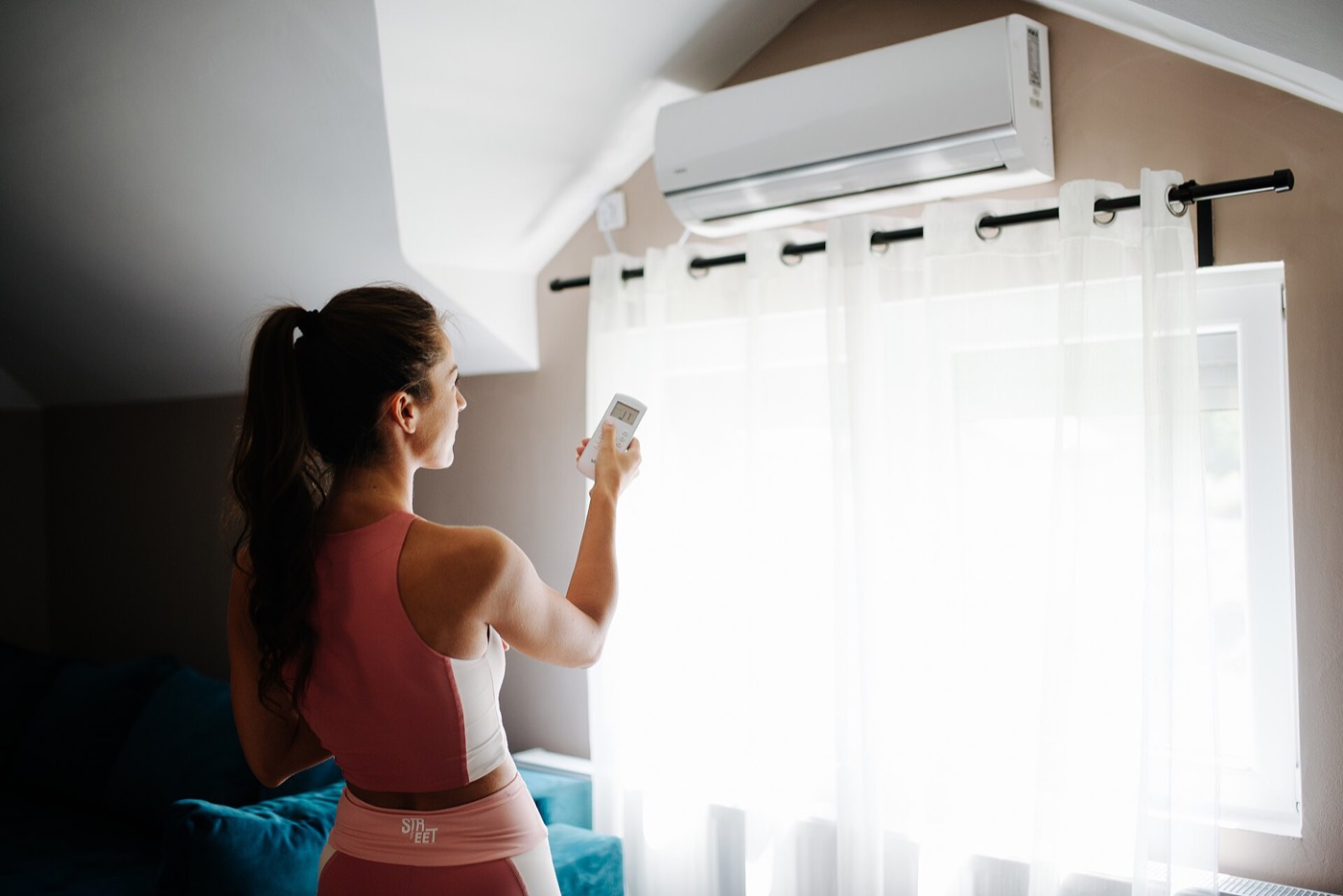
Quick answer: If your home feels clammy or musty in summer even with the AC running, a whole-home dehumidifier can help. It connects to your ductwork and pulls moisture from the air in every room automatically, keeping humidity around 40 to 50 percent, the range where most people feel comfortable and mold and dust mites struggle. Air conditioners remove some moisture, but oversized or short-cycling systems often can't keep up with Jersey Shore humidity.
Summer humidity near the ocean and the bay is relentless. Homes along lagoons and in flood-prone areas, from Long Beach Township and Little Egg Harbor to the Bayshore towns of Keansburg and Highlands, deal with damp basements, musty crawl spaces and that sticky feeling even when the thermostat says 72°F.
Signs your home is too humid
- The air feels sticky or clammy even when it's cool
- Musty or mildew smells, especially in basements and closets
- Condensation on windows, pipes or AC vents
- Mold spots on walls, ceilings or in bathrooms
- Warped wood floors, sticking doors, peeling paint
- Allergies and asthma flaring up indoors (dust mites thrive in humidity)
A hygrometer gives you a real number. Readings consistently above 55 to 60 percent mean it's time to act.
Why your air conditioner isn't enough
An air conditioner dehumidifies as a side effect: moisture condenses on the cold indoor coil and drains away. But:
- Oversized systems cool the house fast and shut off before removing much moisture. This is one of the most common causes of clammy homes. See how to size an AC or heat pump.
- Mild, muggy days don't call for much cooling, so the AC barely runs while humidity stays high.
- Leaky ducts in crawl spaces and attics pull humid air into the system. See duct sealing.
- High airflow settings can reduce moisture removal.
- Closed-up shore houses with the AC off build up humidity quickly.
How a whole-home dehumidifier works
A whole-home (ducted) dehumidifier is installed near your air handler, in a basement, attic or crawl space. It draws air from the house, passes it over a cold coil to condense moisture, reheats the air slightly and returns it to your ducts. Water drains to a floor drain or condensate pump. A humidistat turns it on when humidity rises above your setting, independently of the air conditioner.
Benefits over portable units:
- Dehumidifies the whole house, not one room
- No buckets to empty
- Quiet, because the unit sits away from living areas
- Higher capacity and better efficiency
- One control for consistent humidity
Where dehumidifiers help most
- Basements and finished basements: cool surfaces and ground moisture make basements the dampest part of the house
- Crawl spaces: a sealed (encapsulated) crawl space with a dehumidifier prevents musty odors and wood rot
- Seasonal shore homes: set the dehumidifier to run while the house is closed to prevent mold
- Lagoon-front and flood-zone homes: constant moisture nearby
- Tight, energy-efficient homes: less natural air exchange can trap moisture
Sizing and installation
Dehumidifiers are rated in pints of water removed per day. Sizing depends on the home's square footage, how damp it is, how tight the house is and whether the basement or crawl space is included. Installation involves ductwork connections, a drain line, power and a control. We size and place the unit so it works with your existing HVAC system.
Maintenance
- Replace or clean the filter regularly
- Keep the drain line clear
- Have it checked during your spring AC tune-up
Humidity control in winter
In winter the problem flips: indoor air gets too dry. Some homes benefit from a dehumidifier in summer and a humidifier in winter. See dry winter air and whole-home humidifiers. For more shore-specific advice, read humidity control for Jersey Shore homes.
Dehumidifier or a new air conditioner?
Sometimes the right fix for a clammy house isn't more equipment but better equipment settings. A technician can check whether your air conditioner is oversized, whether the blower runs too fast for good moisture removal, and whether the thermostat's fan is set to "On" (which can re-evaporate moisture from the coil back into the house). Variable-speed and two-stage air conditioners run longer at lower speeds, which removes more moisture. If your AC is near replacement age, a properly sized variable-speed system may solve the humidity problem; if the AC is newer, a whole-home dehumidifier is usually the better investment.
Mold prevention checklist
- Keep indoor humidity below about 60 percent, ideally 40 to 50 percent
- Run bathroom and kitchen exhaust fans, and make sure they vent outside
- Fix plumbing leaks and roof leaks quickly
- Keep gutters and downspouts directing water away from the foundation
- Don't let shore homes sit closed up and unconditioned in summer
- Have AC drain lines and pans checked every spring
Seasonal shore homes
If your shore house sits empty part of the summer or shoulder season, set the dehumidifier to keep humidity around 50 percent even when the AC is off or set high. That protects furniture, mattresses and closets from mildew and keeps the house from smelling musty when guests arrive.
Get help with humidity
We install whole-home dehumidifiers, seal ductwork, and right-size air conditioners across Ocean, Monmouth, Burlington and Middlesex counties as part of our indoor air quality services. Book online and we'll measure your home's humidity and recommend the right fix, with upfront pricing.
Frequently asked questions
What humidity level should my house be in summer?
Many homes are comfortable around 40 to 50 percent relative humidity. Keeping it below about 60 percent helps prevent mold, mildew and dust mites.
Why does my house feel clammy even with the AC on?
An oversized air conditioner cools quickly and shuts off before it removes much moisture. Low airflow settings, leaky ducts in humid crawl spaces and high outdoor humidity also contribute.
Is a whole-home dehumidifier better than a portable one?
For whole-house humidity problems, yes. It handles every room, drains automatically, runs quietly away from living spaces and is controlled by a single humidistat.
Can a dehumidifier lower my energy bill?
Drier air feels cooler, so many people are comfortable with the thermostat set a bit higher. The dehumidifier itself uses energy, so savings depend on the home.
Do you install whole-home dehumidifiers?
Yes. Prime Comfort Group installs and services whole-home dehumidifiers across Ocean, Monmouth, Burlington and Middlesex counties as part of our indoor air quality services.
Too hot? Too cold? Let’s fix that today.
Message us on WhatsApp and our team will get back to you with honest advice and an upfront quote. Same day service across Ocean, Monmouth, Burlington and Middlesex counties.
- Upfront quotes
- No hidden fees
- Licensed & family owned


Install our app
On your iPhone or iPad, in Safari:
- Tap the Share button ↑︎ at the bottom of the screen
- Scroll down and tap Add to Home Screen
- Tap Add. The app appears on your home screen
Using Chrome on iPhone? Tap the share icon in the address bar, then Add to Home Screen.
On your Android phone, in Chrome:
- Tap the menu ⋮ at the top right
- Tap Install app (or Add to Home screen)
- Tap Install. The app appears on your home screen
No app store, no sign-up needed. Book service, track appointments and see your invoices and receipts.