In this guide
Quick answer: On a high-efficiency (condensing) furnace, a small drain line carries away the water the furnace produces. If any part of that line runs outside, through a garage, attic or crawl space, it can freeze during a cold snap. Water then backs up, a pressure switch or float switch shuts the furnace off, and you get no heat, often with gurgling, water around the furnace or an error code. Turn the furnace off, warm the exposed section of line gently (never with an open flame) and call for furnace repair if it will not restart. The permanent fix is to reroute or protect the drain so it cannot freeze again.
When temperatures drop into the teens, we see a wave of no-heat calls from homes with newer furnaces. Many of them have the same cause: a frozen condensate line. Here is why it happens, how to recognize it and how to stop it from happening every winter.
Why high-efficiency furnaces make water
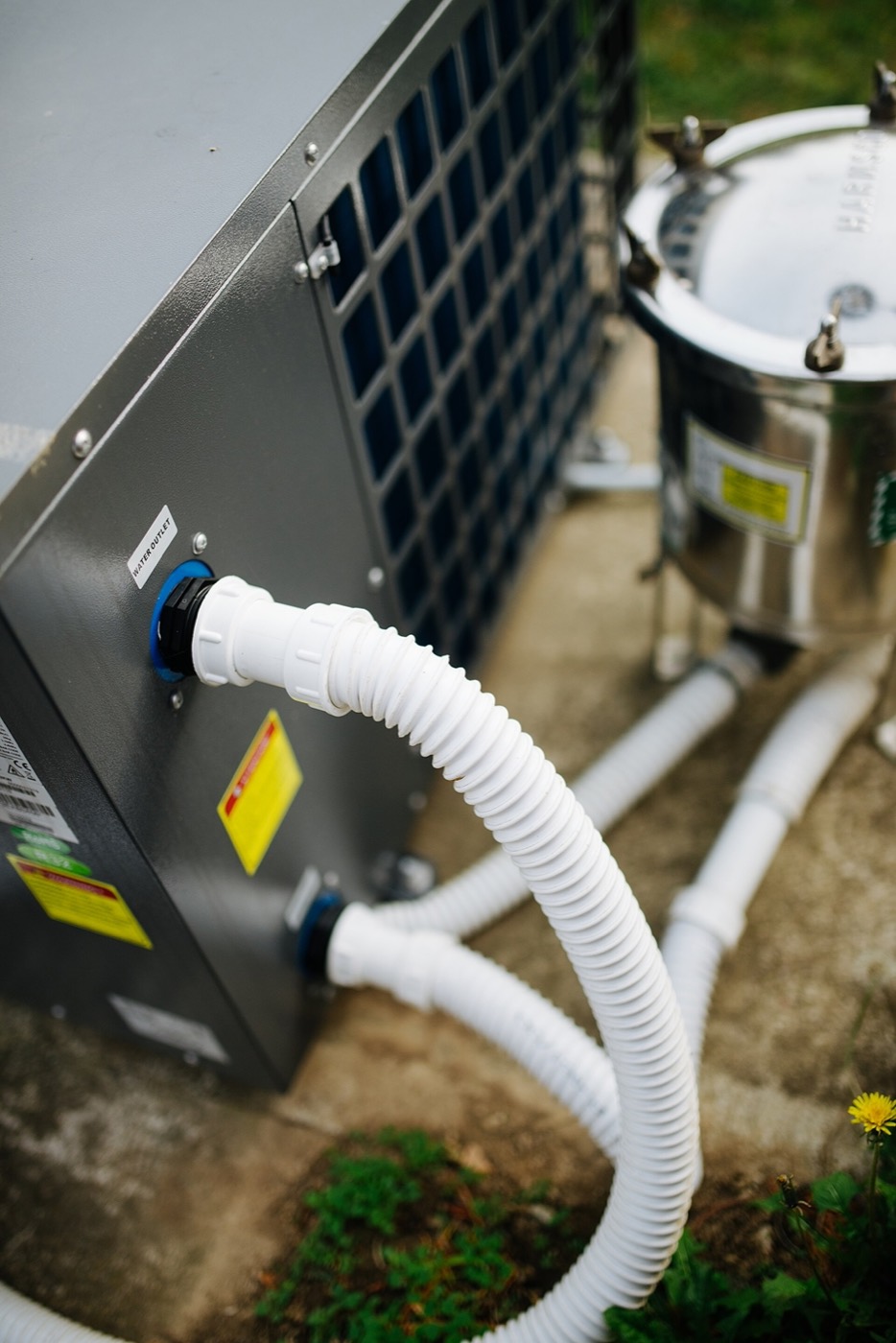
A high-efficiency furnace squeezes extra heat out of its exhaust. The exhaust cools so much that the water vapor in it condenses into liquid. This condensate collects in the furnace and drains away through a trap and a small plastic line, either to a floor drain, a laundry sink, a condensate pump or, sometimes, to the outside. On a cold day, a furnace can produce a surprising amount of water. Read more in furnace leaking water.
Where condensate lines freeze
- Lines that end outdoors, especially on the north side of the house
- Lines running through unheated garages, attics or crawl spaces
- Lines that sag, so water sits in a low spot and freezes
- Condensate pumps in unheated areas
- Discharge lines from a pump that run outside
- Furnaces in attics with drain lines passing near soffits
Sometimes the exhaust and intake vent pipes themselves can be blocked by ice or snow buildup at the termination outside, which causes similar shutdowns.
Signs of a frozen condensate line
- No heat during a cold snap, often in the early morning
- The furnace starts, then shuts down, or never lights
- Gurgling or bubbling sounds from the furnace or drain
- Water around the base of the furnace or dripping from the cabinet
- An error code pointing to the pressure switch or a condensate problem (check the chart on the furnace door)
- Ice visible on the end of a drain line outside
- The problem goes away when it warms up, then returns
What to do right now
- Turn the furnace off at the thermostat
- Find the drain line: follow the small plastic tube from the furnace to where it ends
- Look for the frozen section: usually where it passes through a cold space or exits the house
- Warm it gently: warm towels, warm (not boiling) water poured over the outside of the pipe, or a hair dryer on low from a safe distance
- Never use a torch, heat gun on high or any open flame, and never thaw near the furnace burner area
- Protect the furnace and electrical parts from any water you use
- Clear snow or ice from outside vent pipes if they are blocked
- Reset the furnace once by turning power off for 30 seconds and back on
- Call for service if it will not run, if water is near wiring, or if it freezes again
Protect your pipes while the heat is off: open cabinet doors under sinks on outside walls and let faucets drip. See no heat in freezing weather.
Why not just keep thawing it?
Thawing gets the heat back on, but the line will freeze again in the next cold snap. Each freeze can also crack the line or the trap, causing leaks inside the house. And repeated shutdowns while a home is empty, such as a shore house or while you are away, can lead to frozen water pipes and serious damage.
Permanent fixes
A technician can choose the right fix for your home:
- Reroute the drain indoors to a floor drain, laundry sink or other approved drain
- Add or relocate a condensate pump to a heated space, discharging to an indoor drain
- Shorten and re-slope the line so water never sits in it
- Insulate exposed sections in cold spaces
- Add heat tape rated for this use on sections that must pass through cold areas, installed according to the manufacturer's instructions
- Check the trap and drain connections on the furnace
- Adjust vent terminations if snow or ice routinely blocks them
Check the vent pipes too
High-efficiency furnaces vent through two plastic pipes (exhaust and intake) on a side wall or roof. After snowstorms and freezing rain, make sure both are clear. Exhaust vents can also build up frost in extreme cold. Never block or cover them. If they repeatedly ice up, the termination may need to be raised or relocated.
Furnaces in attics and garages
Some homes, especially newer construction and additions, have the furnace in an attic or garage. These installations are more likely to have drain lines in cold spaces. Ask your technician to check the full drain route during your fall tune-up.
Heat pumps and condensate
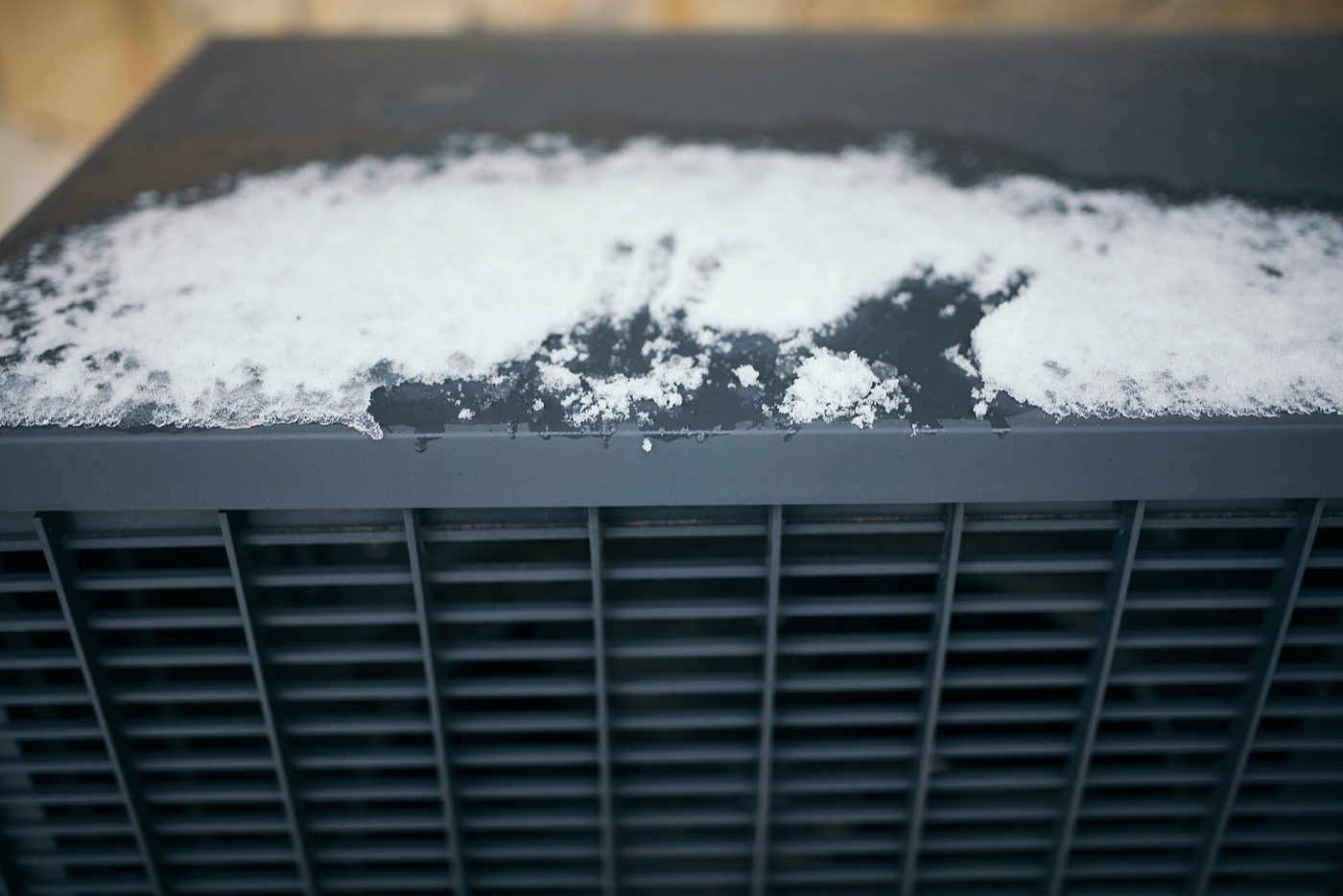
Heat pumps produce water too, mainly from the outdoor unit during defrost. Ice buildup around the base of a heat pump is a related problem; make sure water drains away from the unit and that gutters do not drip onto it. See heat pump not heating.
Mistakes to avoid
- Using a torch or open flame to thaw plastic lines
- Pouring boiling water on brittle plastic pipes
- Bypassing the pressure or float switch to get the furnace running
- Repeatedly resetting a furnace that keeps shutting down
- Ignoring water inside the furnace cabinet, which can damage the control board
Prevention checklist before winter
- Trace the condensate line from furnace to drain
- Make sure no part runs outdoors or through unheated space without protection
- Confirm the condensate pump works and sits in a heated area
- Check slope; no sags where water can sit
- Clear outside vent pipes of leaves and nests
- Book a heating tune-up that includes the condensate system
See the seasonal maintenance checklist.
Older homes and newer furnaces
Many homes in our area replaced an old chimney-vented furnace with a high-efficiency model. When that happens, the drain has to go somewhere, and in homes without a convenient floor drain it sometimes ends up routed outside. If that describes your home, it is worth having the drain route checked before the coldest weeks of the year.
What a service visit includes
When we come out for a frozen or backed-up condensate line, we thaw and clear the line safely, flush the trap, test the condensate pump and its safety switch, check the pressure switch and its hose, inspect the inducer housing for water, verify the vent and intake terminations are clear and run the furnace through several heating cycles. Then we recommend the simplest permanent fix for your home and give you an upfront price before any rerouting work.
Same day help when the heat stops
We clear frozen and clogged condensate lines, fix pressure switch problems and reroute drains so they do not freeze again, with same day service and a 24/7 emergency line across Ocean, Monmouth, Burlington and Middlesex counties, including Jackson, Tinton Falls, Medford and Toms River. Our $89 heating tune-up checks the whole condensate system (terms apply).
Frequently asked questions
Can a furnace condensate line freeze?
Yes. Condensing furnaces make water that drains through a small line. If any part of that line runs outdoors, through a garage, attic or crawl space, or ends outside, it can freeze during a cold snap.
What happens when the condensate line freezes?
Water backs up into the furnace. A pressure switch or float switch detects it and shuts the furnace down for safety, so you lose heat. You may hear gurgling, see water around the furnace or get an error code.
How do I thaw a frozen furnace condensate line?
Turn the furnace off, find the exposed section of line and warm it gently with warm towels, warm (not boiling) water poured over the outside of the pipe or a hair dryer on low held at a safe distance. Never use a torch or open flame. If you cannot reach it or the furnace still will not run, call for service.
How do I stop my condensate line from freezing again?
Reroute the drain to an indoor floor drain or a condensate pump, insulate exposed sections, add heat tape rated for the purpose where appropriate, and make sure the line has proper slope so water does not sit in it.
Do you fix frozen furnace drains?
Yes. We clear frozen and clogged condensate lines, test safety switches and reroute or protect drains, with same day service and a 24/7 emergency line across Ocean, Monmouth, Burlington and Middlesex counties.
Furnace & Heating Repair near you
We provide furnace & heating repair in all 153 towns across Ocean, Monmouth, Burlington and Middlesex counties. Find your area:
Monmouth County (all 53 towns)
Too hot? Too cold? Let’s fix that today.
Book online in about a minute or call us for honest advice and an upfront quote. Same day service across Ocean, Monmouth, Burlington and Middlesex counties.
- $50 off your first repair (new customers, terms apply)
- 24/7 emergency line
- Upfront quotes
- No hidden fees
- Licensed & family owned


Install our app
On your iPhone or iPad, in Safari:
- Tap the Share button ↑︎ at the bottom of the screen
- Scroll down and tap Add to Home Screen
- Tap Add. The app appears on your home screen
Using Chrome on iPhone? Tap the share icon in the address bar, then Add to Home Screen.
On your Android phone, in Chrome:
- Tap the menu ⋮ at the top right
- Tap Install app (or Add to Home screen)
- Tap Install. The app appears on your home screen
No app store, no sign-up needed. Book service, track appointments and see your invoices and receipts.