In this guide
Quick answer: A furnace leaking water is usually a high-efficiency furnace with a clogged condensate drain, a failed condensate pump or a cracked or loose drain pipe. Water can also come from a whole-home humidifier or the air conditioner coil that sits on top of the furnace. Turn the furnace off at the thermostat, mop up the water, and check that the condensate pump is plugged in and the drain line is not blocked. If water is near wiring or the leak keeps coming back, call for furnace repair. If you ever smell gas, leave the house and call 911 or your gas utility from outside.
Finding a puddle under your furnace is unsettling, but in most cases the cause is simple and fixable. This guide explains where the water comes from, what you can safely check yourself and when it is time to call a professional.
Why would a furnace have water at all?
A furnace burns gas to make heat, and burning gas produces water vapor. Older, standard-efficiency furnaces send that vapor up the chimney while it is still hot. High-efficiency (condensing) furnaces capture extra heat from the exhaust, which cools it enough that the vapor turns into liquid water, called condensate. A condensing furnace can produce a surprising amount of water on a cold day, which is normal. That water has to drain away through tubes, a trap and a drain line, sometimes with the help of a small pump.
You can usually spot a condensing furnace by its white or gray plastic vent pipes instead of a metal flue.
The most common causes of a leak
1. Clogged condensate drain or trap
Condensate is slightly acidic and carries dust and debris. Over time, sludge, algae or mineral buildup can block the trap or drain line. The water backs up and spills out of the furnace cabinet. Many furnaces have a pressure switch or float switch that shuts the furnace off when this happens, so you may notice no heat along with the water.
2. Failed or unplugged condensate pump
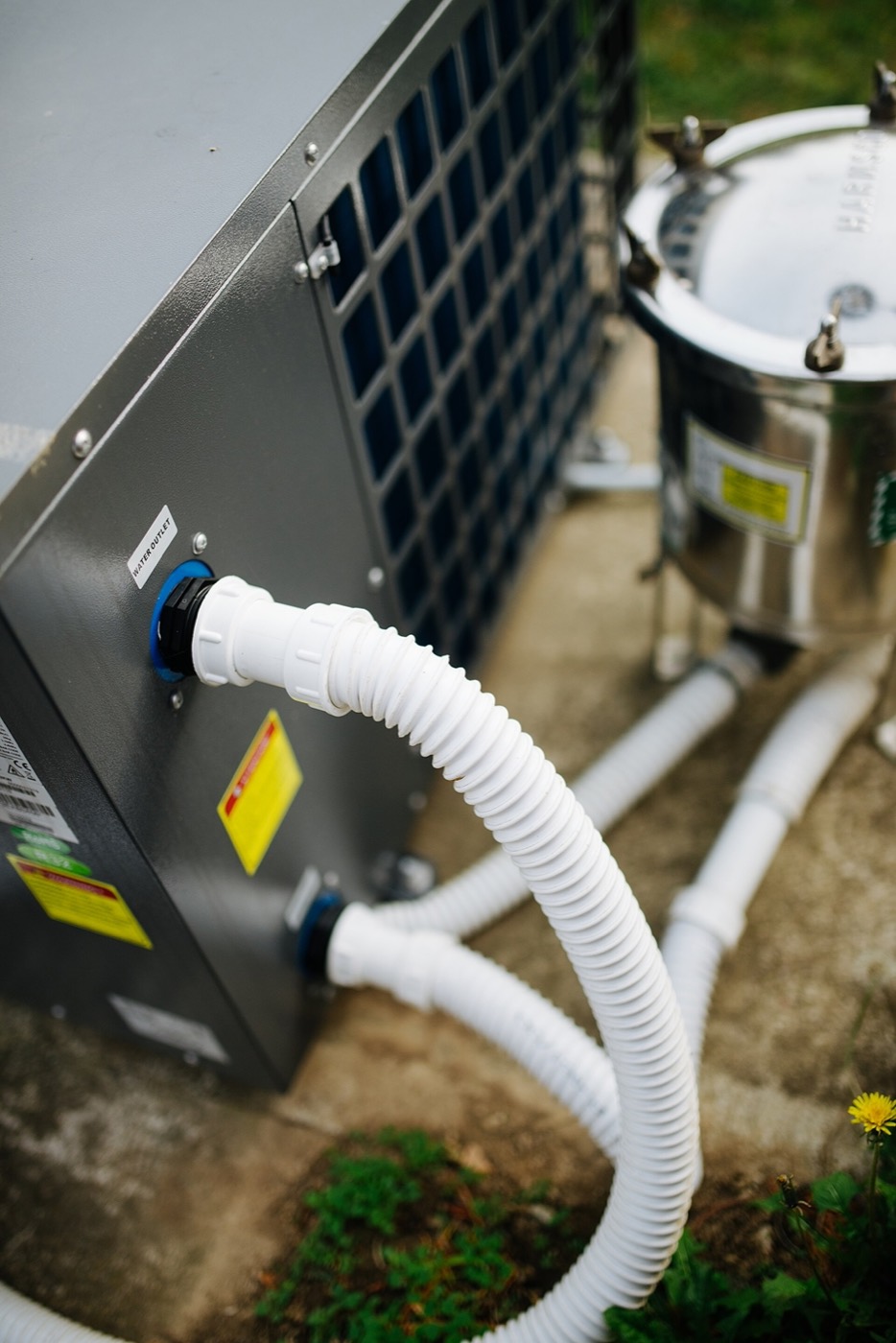
If there is no floor drain nearby, a small condensate pump collects the water and pumps it away. Pumps can fail, become unplugged or have a stuck float. When they stop, the reservoir overflows onto the floor.
3. Cracked, loose or disconnected drain tubing
Drain hoses and PVC pipes can crack, sag or slip off their fittings, especially after the furnace has been bumped or worked on.
4. Whole-home humidifier
Many furnaces have a humidifier mounted on the ductwork. A stuck water valve, clogged drain or worn pad can make it leak, and the water can look like it is coming from the furnace. See dry winter air and humidifiers.
5. The air conditioner coil
The AC evaporator coil usually sits right on top of the furnace and has its own drain pan and line. A clogged AC drain causes leaks in summer, but residual water or a cracked pan can show up at other times too. See AC leaking water inside.
6. Venting problems on standard furnaces
On older, non-condensing furnaces, water around the flue can mean exhaust is cooling too much in the chimney, often from an oversized or unlined chimney. This is a venting issue that should be checked by a technician because it can also affect safe exhaust.
7. Frozen condensate line
In cold snaps, drain lines that run through unheated spaces or outdoors can freeze, causing water to back up into the furnace. See frozen furnace condensate line.
What to do right now
- Turn the furnace off at the thermostat. If water is near electrical parts, also switch off the furnace service switch.
- Mop up the water and move anything that can be damaged.
- Check the condensate pump: is it plugged in? Is the reservoir full? Does it run when you lift the float?
- Look at the drain line: is it disconnected, cracked or kinked? Does it end at a floor drain that might be blocked?
- Check the humidifier: is water dripping from it?
- Check the filter: a very dirty filter can cause the AC coil to freeze and later drip.
- Call for service if you cannot find the cause, if the furnace will not restart or if water keeps appearing.
Never try to open the burner compartment, disconnect gas lines or work on electrical parts yourself.
Why you should not ignore a leak
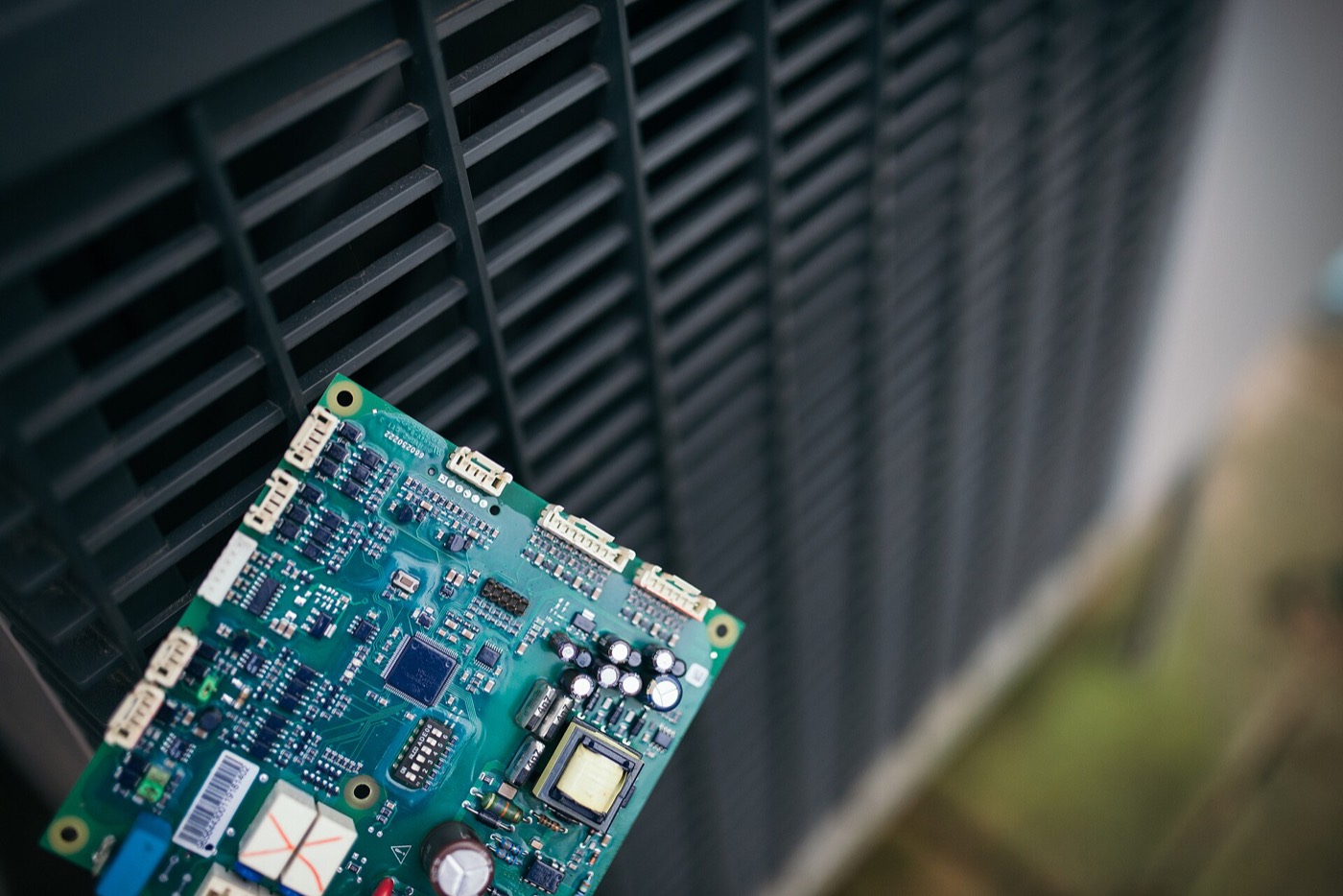
- Electrical damage: water can ruin the control board, one of the more expensive parts on a furnace.
- Rust and corrosion: ongoing moisture rusts the cabinet, pan and internal parts.
- Mold and mildew: damp basements and closets are ideal for mold growth.
- No heat: safety switches will keep shutting the furnace off until the drain is fixed.
- Floor and finished basement damage: slow leaks can soak flooring and drywall before you notice.
How a technician fixes it
A technician will find where the water is coming from, then:
- Clear and flush the condensate trap and drain line
- Test or replace the condensate pump and its safety switch
- Reconnect or replace cracked drain tubing and fittings
- Check the furnace's pressure switch and safety controls
- Inspect the AC coil drain pan and the humidifier
- Check venting and slope on condensing furnaces
- Test the furnace through a full heating cycle
How to prevent leaks
- Schedule a yearly heating tune-up, which includes cleaning and testing the condensate drain and pump
- Change filters regularly (see our air filter guide)
- Keep the area around the furnace clear so you notice small leaks early
- Protect drain lines from freezing in unheated spaces
- Service the humidifier once a year and replace its pad
Leaks by season
The time of year is a useful clue:
- Winter: the furnace is running and making condensate, so a heating-season leak usually points to the furnace drain, trap or condensate pump, or to the humidifier.
- Summer: the air conditioner coil above the furnace is removing moisture from the air, so a summer leak usually points to the AC drain line or pan.
- Spring and fall: both systems may run on the same day, so check both drains.
- After a cold snap: frozen drain lines outdoors or in a garage are a common cause.
Is the water clean or rusty?
Clear water is usually condensate. Rusty or dark water can mean corrosion in the drain pan or inside the furnace, which a technician should look at. If you see soot or a white, chalky residue around the vent pipes, mention it when you call, because it can point to venting or combustion problems.
When a leak points to a bigger decision
If your furnace is older, rusted inside or has other recurring problems, a leak can be the moment to compare repair and replacement. See signs you need a new furnace and what affects furnace repair cost.
Same day furnace repair
We repair every brand of gas furnace with same day service, upfront pricing and a 24/7 emergency line across Ocean, Monmouth, Burlington and Middlesex counties, including furnace repair in Toms River, Lakewood, Middletown and Old Bridge. New customers get $50 off their first repair (terms apply). Book online or call us now.
Frequently asked questions
Why is my furnace leaking water?
The most common cause is a clogged condensate drain or a failed condensate pump on a high-efficiency furnace. Other causes include cracked or disconnected drain pipes, a leaking humidifier, an AC evaporator coil drain above the furnace, or venting problems on older furnaces.
Is it dangerous if my furnace is leaking water?
Water near the furnace control board and wiring can cause electrical problems, and long-term leaks can rust parts and cause mold. Turn the furnace off at the thermostat and call for service. If you smell gas, leave the house and call 911 or your gas utility.
Can I still run my furnace if it is leaking?
It is best to turn it off until the cause is found, especially if water is near electrical parts. Many furnaces shut themselves off when the drain backs up, which is a safety feature.
How do I unclog a furnace condensate drain?
With the furnace off, you can check the drain line and trap for clogs and make sure the condensate pump is plugged in. Because the drain also connects to the furnace and sometimes the AC, a technician should clear and test it if you are unsure.
Do you repair leaking furnaces the same day?
Yes. We offer same day furnace repair and a 24/7 emergency line across Ocean, Monmouth, Burlington and Middlesex counties.
Furnace & Heating Repair near you
We provide furnace & heating repair in all 153 towns across Ocean, Monmouth, Burlington and Middlesex counties. Find your area:
Monmouth County (all 53 towns)
Too hot? Too cold? Let’s fix that today.
Book online in about a minute or call us for honest advice and an upfront quote. Same day service across Ocean, Monmouth, Burlington and Middlesex counties.
- $50 off your first repair (new customers, terms apply)
- 24/7 emergency line
- Upfront quotes
- No hidden fees
- Licensed & family owned


Install our app
On your iPhone or iPad, in Safari:
- Tap the Share button ↑︎ at the bottom of the screen
- Scroll down and tap Add to Home Screen
- Tap Add. The app appears on your home screen
Using Chrome on iPhone? Tap the share icon in the address bar, then Add to Home Screen.
On your Android phone, in Chrome:
- Tap the menu ⋮ at the top right
- Tap Install app (or Add to Home screen)
- Tap Install. The app appears on your home screen
No app store, no sign-up needed. Book service, track appointments and see your invoices and receipts.