In this guide
Quick answer: The cost of a furnace repair in New Jersey depends mainly on which part failed, plus the furnace's age and brand, how easy it is to reach, whether parts are in stock and whether the call is an after-hours emergency. Small parts like a flame sensor, igniter or capacitor are inexpensive; blower motors, inducer motors, control boards and heat exchangers cost much more. The best protection is a proper diagnosis and a written upfront price before any work starts, which is how we work on every furnace and heating repair.
When the heat stops on a cold night, the first question most homeowners ask is "how much is this going to cost?" The honest answer is "it depends on what is wrong", but that does not have to mean surprises. This guide explains what actually drives the price of a furnace repair, which repairs are usually minor and which are major, and how to decide between repairing and replacing.
1. The part that failed
The single biggest factor is the component that needs to be fixed or replaced. Furnace parts fall roughly into three groups.
Usually minor repairs
- Flame sensor: a small rod that proves the burner has lit. When it gets dirty, the furnace lights and then shuts off after a few seconds. Cleaning or replacing it is one of the most common and least expensive repairs. See dirty flame sensor.
- Hot surface igniter: the part that lights the gas. Igniters are fragile and wear out over time.
- Capacitor: helps the blower motor start. Failing capacitors often cause a humming furnace that never blows air.
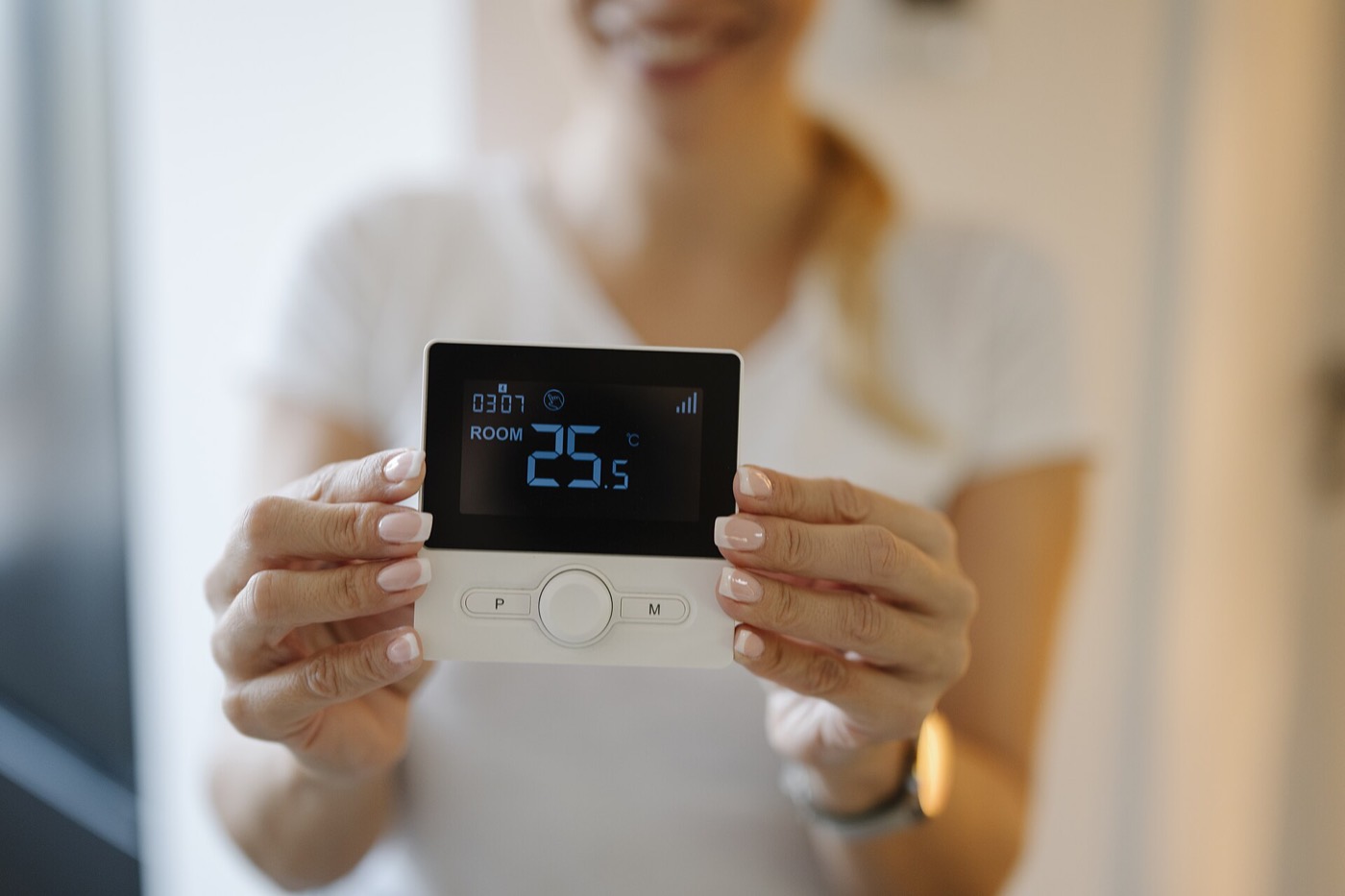
- Thermostat problems: dead batteries, wiring or settings. See thermostat not working.
- Clogged filter: not really a repair, but a blocked filter can make a furnace overheat and shut down.
Moderate repairs
- Pressure switch and limit switch replacements
- Gas valve replacement
- Draft inducer motor repairs
- Clearing a blocked condensate drain on a high-efficiency furnace (see frozen condensate line)
Major repairs
- Blower motor replacement, especially variable-speed motors
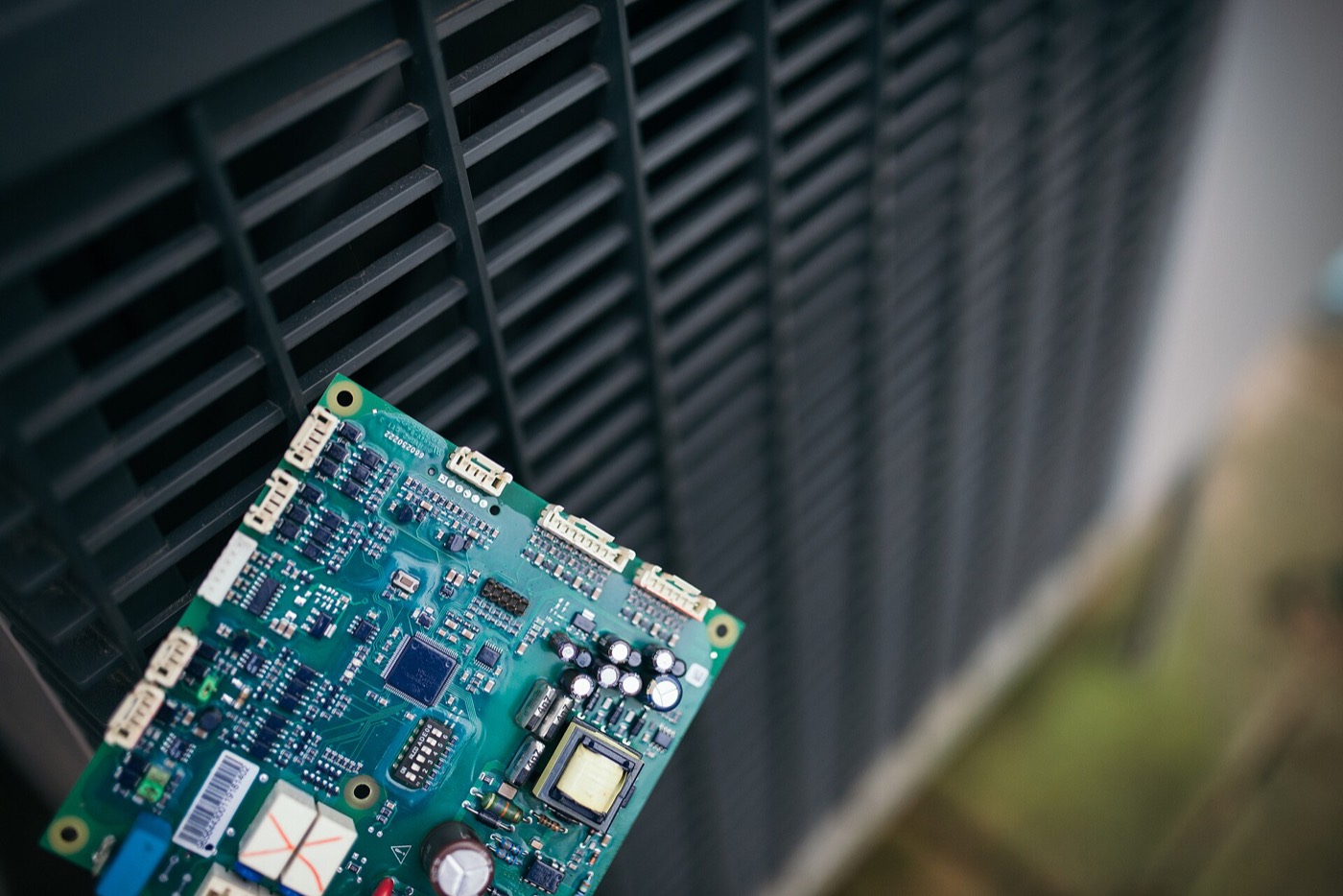
- Control board replacement
- Heat exchanger problems, which on older furnaces often point toward replacement rather than repair
2. Age and brand of the furnace
A newer furnace from a common brand is usually easier and faster to repair, because parts are widely available. Older furnaces may need parts that are discontinued or must be ordered, which adds time. Some high-efficiency and variable-speed models use more expensive electronic parts than basic single-stage units.
Age also affects the bigger decision. A gas furnace commonly lasts about 15 to 20 years. Spending money on a major repair for a furnace near the end of that range may not make sense. See signs you need a new furnace.
3. Warranty coverage
Many furnaces carry a manufacturer's parts warranty, often for a set number of years and sometimes only if the furnace was registered after installation. If a covered part fails, the part itself may be covered while labor is not. Keep your paperwork, and if you just bought a home, ask the sellers for warranty information. We will check what we can when we diagnose the problem.
4. Access and installation
Where the furnace sits matters. A furnace in an open basement is quicker to work on than one in a tight attic, crawl space or closet. Older installations with non-standard venting, gas piping or wiring may also need extra work to bring a repair up to current code.
5. Timing: same day, nights and weekends
Furnaces tend to fail on the coldest nights, when every HVAC company is busiest. We offer same day service and a 24/7 emergency line across Ocean, Monmouth, Burlington and Middlesex counties. When you call, ask how after-hours work is priced; we always tell you the price before we start.
6. Diagnosis comes first
A good repair starts with a proper diagnosis, not a guess. A technician should:
- Ask what you noticed: no heat, short cycling, noises, smells or error codes
- Check the thermostat, filter, power and gas supply
- Read the furnace's diagnostic light code
- Test the igniter, flame sensor, switches, motors and control board
- Check venting and run a carbon monoxide test
- Explain the problem in plain English and give you a written price
That process prevents the most expensive mistake of all: replacing parts that were not actually broken.
7. How to avoid surprise costs
- Ask for an upfront, written price before any work begins
- Ask what is included: parts, labor and any trip charge
- Ask about warranty on the repair and the part
- Ask whether the repair fixes the cause or only the symptom
- Ask about safety: anything to do with venting, gas or the heat exchanger should be explained clearly
We give upfront quotes with no hidden fees on every job.
8. Repair or replace?
There is no single rule, but these questions help:
- How old is the furnace? Past about 15 years, major repairs deserve a second thought.
- How big is the repair? A common guide: if a repair costs around half the price of a new furnace, consider replacing.
- How often has it broken down? Repeated repairs add up quickly.
- Are your bills rising? Older, less efficient furnaces cost more to run.
- Is the house comfortable? Uneven heat, noise and dry air can be signs the system is no longer a good fit.
If replacement makes sense, ask about $500 off a new heating system (terms apply) and see what to expect from a new HVAC installation.
9. Things you can check before calling
These quick checks sometimes solve the problem at no cost:
- Thermostat set to Heat, set above room temperature, with fresh batteries
- Furnace service switch on and the breaker not tripped
- Filter not clogged
- Furnace door panel fully closed (many furnaces will not run with it open)
- For gas heat, other gas appliances working
See the full furnace not working checklist. If you smell gas, leave the house and call 911 or your gas utility from outside.
Common symptoms and what they usually mean
Knowing the symptom helps you describe the problem when you call, which speeds up the diagnosis:
- Furnace lights, then shuts off after a few seconds: often a dirty flame sensor, a minor repair.
- Clicking but no flame: often the igniter, a gas supply issue or a pressure switch problem.
- Blower hums but does not spin: often a failed capacitor or a seized blower motor.
- Furnace runs but blows cold air: often a lockout, a flame problem, a clogged filter or a thermostat setting. See furnace blowing cold air.
- Water around the furnace: usually a clogged condensate drain or pump. See furnace leaking water.
- Short cycling: overheating from a dirty filter, a faulty limit switch or an oversized furnace. See short cycling.
- Loud banging or squealing: delayed ignition, a worn belt or motor bearings. See furnace noises.
Write down any blinking light pattern on the furnace control board before you call. It points the technician straight to the fault and can shorten the visit.
10. The cheapest repair is the one you avoid
A yearly heating tune-up catches many problems before they leave you without heat: a dirty flame sensor, a weak igniter, a failing capacitor, a cracked belt or a blocked drain. It also includes safety checks on venting and carbon monoxide. Our $89 heating tune-up is available this season, and the Prime Comfort Club covers one heating and one AC tune-up a year for $19/month, with priority scheduling and 10% off repairs (terms apply).
Furnace repair near you
We repair every brand of gas furnace and heat pump, with same day service, upfront pricing and a 24/7 emergency line. We serve all of Ocean, Monmouth, Burlington and Middlesex counties, including furnace repair in Toms River, Brick, Jackson and Edison. New customers get $50 off their first repair (terms apply). Book online or call us any time.
Frequently asked questions
How much does furnace repair cost in New Jersey?
It depends mostly on which part failed. Small parts such as a flame sensor, igniter or capacitor cost much less than a blower motor, inducer motor, control board or heat exchanger. We diagnose first and give you an upfront price before any work begins.
Is it worth repairing an old furnace?
Often yes for small repairs. When a furnace is near the end of its life (commonly 15 to 20 years) and needs a major part, replacement can be the better value. A common guide is to consider replacement when a repair costs about half the price of a new system.
Do you charge more for emergency or weekend furnace repair?
Ask when you call. We offer same day service and a 24/7 emergency line, and we always tell you the price before work starts so there are no surprises.
Can a tune-up prevent expensive furnace repairs?
Many common failures, such as a dirty flame sensor, weak igniter, clogged filter or failing capacitor, are caught during a yearly tune-up. Our $89 heating tune-up includes safety checks and cleaning (terms apply).
Do you offer a discount on furnace repair?
New customers get $50 off their first repair, and Prime Comfort Club members save 10% on repairs. Terms apply and offers cannot be combined.
Furnace & Heating Repair near you
We provide furnace & heating repair in all 153 towns across Ocean, Monmouth, Burlington and Middlesex counties. Find your area:
Monmouth County (all 53 towns)
Too hot? Too cold? Let’s fix that today.
Book online in about a minute or call us for honest advice and an upfront quote. Same day service across Ocean, Monmouth, Burlington and Middlesex counties.
- $50 off your first repair (new customers, terms apply)
- 24/7 emergency line
- Upfront quotes
- No hidden fees
- Licensed & family owned

Install our app
On your iPhone or iPad, in Safari:
- Tap the Share button ↑︎ at the bottom of the screen
- Scroll down and tap Add to Home Screen
- Tap Add. The app appears on your home screen
Using Chrome on iPhone? Tap the share icon in the address bar, then Add to Home Screen.
On your Android phone, in Chrome:
- Tap the menu ⋮ at the top right
- Tap Install app (or Add to Home screen)
- Tap Install. The app appears on your home screen
No app store, no sign-up needed. Book service, track appointments and see your invoices and receipts.