
In this guide
Quick answer: If your furnace lights, runs for a few seconds and then shuts off, then tries again, the most likely cause is a dirty flame sensor. The sensor is a thin metal rod in the burner flame that proves the burner is lit. When residue builds up on it, the control board cannot detect the flame and closes the gas valve for safety. A technician can clean or replace the sensor quickly, and a yearly tune-up prevents the problem. If cleaning does not fix it, the cause may be grounding, wiring, flame quality or gas pressure. For help today, book furnace and heating repair.
The flame sensor is one of the smallest parts in your furnace, but it causes a large share of no-heat calls every fall. This guide explains what it does, why it fails, what else can cause the same symptoms and how to keep it from happening again.
What the flame sensor does
Gas furnaces need a safety system that answers one question: is the burner actually lit? If gas flowed without a flame, unburned gas could build up, which is dangerous. The flame sensor answers that question.
Here is how it works: the control board sends a very small electrical signal through the flame sensor rod. A gas flame conducts a tiny current, so when the burner is lit, the signal travels through the flame to the burner and back to ground. The board measures that current. If it is strong enough, the gas valve stays open. If not, the board shuts the gas off within seconds.
Why flame sensors get dirty
Over time, a thin layer of residue builds up on the sensor rod. Common reasons:
- Normal combustion byproducts after many heating cycles
- Dust and debris pulled into the furnace, especially during renovations
- Airborne chemicals from cleaning products, aerosols, paints or a nearby laundry area
- Silica from some humidifiers or drywall dust
That coating acts like insulation. The signal weakens until the control board decides the flame is not there.
Signs of a dirty flame sensor
- The furnace lights, then shuts off after 3 to 10 seconds
- It repeats the cycle several times, then stops (lockout)
- The blower may run with no heat afterward
- The control board shows a flame sense error code (check the chart on the door)
- The problem is worse on some days and fine on others
- The furnace has not been serviced in a year or more
Other causes with the same symptom
A furnace that shuts off right after lighting does not always have a dirty sensor. A technician will also check:
- Cracked sensor porcelain or a bent rod that sits outside the flame
- Poor ground connection between the burner assembly and the control board
- Loose or corroded wiring to the sensor
- Weak or lifting flame from low gas pressure, dirty burners or air problems
- Reversed polarity in the furnace wiring, which can confuse the flame signal
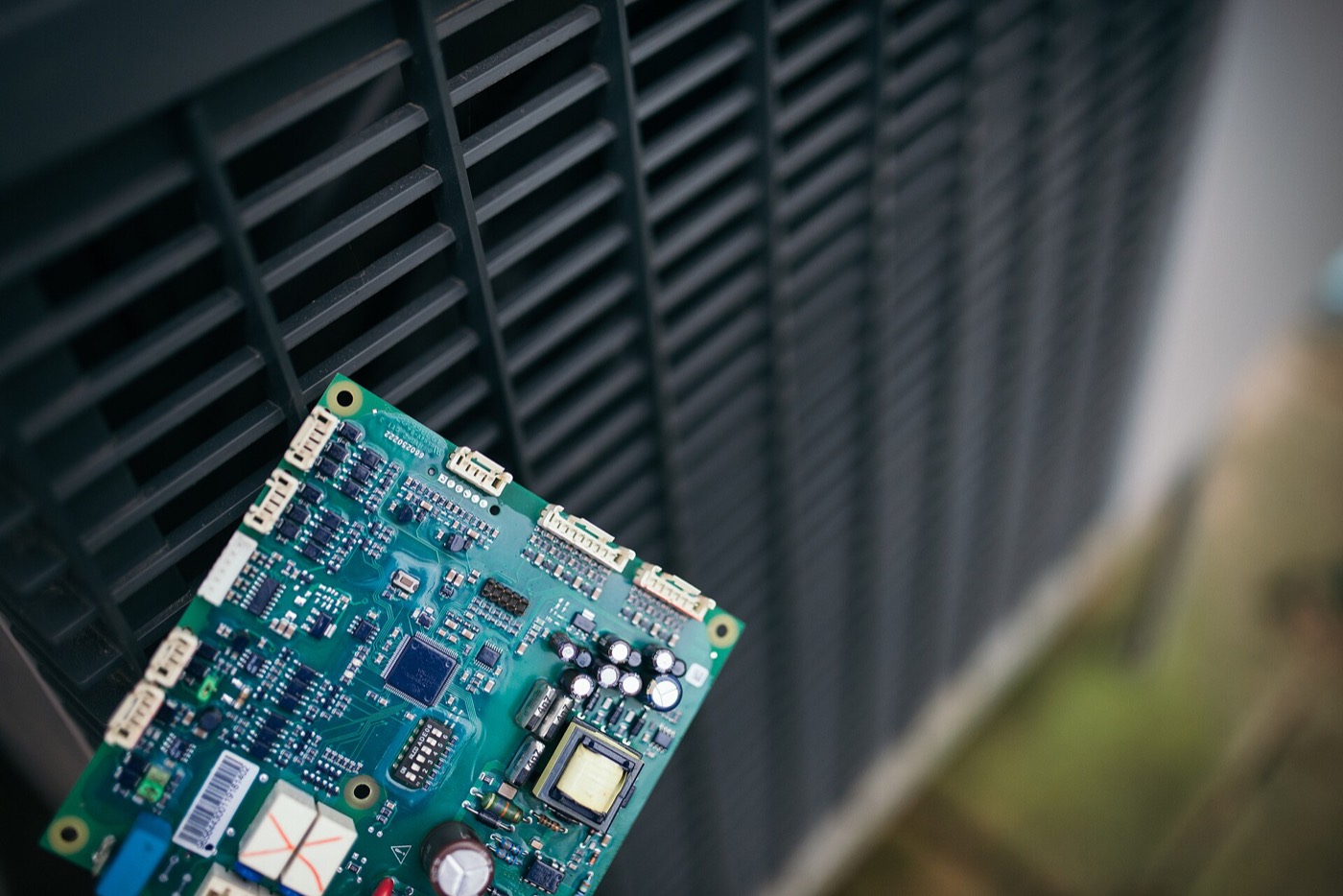
- Failing control board that no longer reads the signal properly
- Venting or pressure switch problems that cut the cycle short
That is why cleaning alone sometimes does not fix it and why a proper diagnosis matters.
Is it short cycling or something else?
"Short cycling" can mean different things. A furnace that shuts off seconds after lighting points to flame sensing. A furnace that runs for a few minutes and shuts off before the house warms up points to overheating from a dirty filter, a failing limit switch, blocked vents or an oversized furnace. See AC and furnace short cycling.
Safe checks you can do
- Watch a start-up: do you see the burners light, then go out within seconds? Note the timing.
- Count the error light blinks on the control board.
- Replace the filter if it is dirty.
- Check outside vents for blockages on high-efficiency furnaces.
- Reset once by turning the power off for 30 seconds.
If it keeps happening, call for service. Do not keep resetting the furnace over and over.
Should you clean it yourself?
Some homeowners clean the sensor with a fine abrasive pad after turning off power and gas, removing a mounting screw and sliding the sensor out. It is a simple part, but it sits inside the burner area of a gas appliance, the rod must go back in exactly the right position and the porcelain cracks easily. If you are not comfortable working inside a gas furnace, leave it to a technician. Never use coarse sandpaper, which leaves a rough surface that dirties faster, and never bypass the sensor.
How a technician fixes it
- Turn off power and gas safely
- Remove and inspect the sensor for cracks and wear
- Clean the rod gently, or replace it if damaged
- Check the ground and wiring connections
- Measure the flame signal with a meter to confirm it is strong
- Inspect burners, gas pressure and flame quality
- Run the furnace through several full cycles
- Check venting and carbon monoxide
Most visits for a flame sensor are short and among the less expensive repairs. See furnace repair cost factors.
How to prevent it
- Yearly heating tune-up: flame sensor cleaning is part of a proper furnace tune-up
- Regular filter changes: cleaner air means less buildup (see the air filter guide)
- Keep chemicals away from the furnace: store paints, solvents and cleaning sprays elsewhere
- Protect the furnace during renovations: drywall and sawdust are hard on burners and sensors
- Service the humidifier so mineral dust is not blown around
What a flame sensor problem tells you about the furnace
A flame sensor that needs cleaning once a year is normal. One that fouls again within weeks suggests something else is going on: poor combustion, a dirty burner, air quality issues or a humidifier problem. An older furnace with repeated ignition issues, a rusty burner area or other recurring repairs may be nearing the point where replacement makes more sense. See signs you need a new furnace.
Why it often shows up on the first cold days
Flame sensor calls spike in October and November for a simple reason: the furnace sat unused all summer while dust and household vapors settled on the burner area. The first long run of the season can be enough to tip a weak signal below the level the control board accepts. Furnaces that were never serviced, or that run in dusty basements, laundry rooms or garages, are the most likely to have trouble.
High-efficiency vs standard furnaces
Both use flame sensors, but high-efficiency furnaces also have more safety switches and a condensate drain, so the same symptom (lighting and shutting off) can come from more places. A drain that backs up into the inducer housing, for example, can trip a pressure switch partway through start-up. A technician who reads the furnace's fault history can usually tell which part of the sequence failed.
Related problems worth reading about
- Furnace won't ignite
- Furnace blowing cold air
- Furnace leaking water
- Burning smell when the heat comes on
Get your heat back today
We clean and replace flame sensors and repair every brand of gas furnace with same day service, upfront pricing and a 24/7 emergency line across Ocean, Monmouth, Burlington and Middlesex counties, including Lakewood, Berkeley Township, Freehold Township and East Brunswick. Our $89 heating tune-up includes flame sensor cleaning (terms apply).
Frequently asked questions
What does a furnace flame sensor do?
It is a small metal rod that sits in the burner flame. A tiny electrical signal passes through the flame to prove it is lit. If the signal is too weak, the control board shuts the gas off to prevent unburned gas from building up.
How do I know if my flame sensor is dirty?
The classic sign is a furnace that lights, runs for a few seconds, shuts off, and then tries again. After several tries it may lock out. The sensor rod often looks dull, sooty or coated with a white or brown film.
Can I clean a flame sensor myself?
Some handy homeowners do, but it involves turning off power and gas, removing the sensor near the burners and reinstalling it correctly. If you are not comfortable working inside a gas furnace, have a technician clean it during a service visit.
How often should a flame sensor be cleaned?
Once a year during a heating tune-up is enough for most homes. Homes with very dusty air, construction work or certain humidifiers may need it more often.
Is a dirty flame sensor dangerous?
The shut-off is a safety feature working correctly, so it is not dangerous by itself, but it leaves you without reliable heat. Any furnace that keeps shutting off should be checked, including venting and carbon monoxide.
Furnace & Heating Repair near you
We provide furnace & heating repair in all 153 towns across Ocean, Monmouth, Burlington and Middlesex counties. Find your area:
Monmouth County (all 53 towns)
Too hot? Too cold? Let’s fix that today.
Book online in about a minute or call us for honest advice and an upfront quote. Same day service across Ocean, Monmouth, Burlington and Middlesex counties.
- $50 off your first repair (new customers, terms apply)
- 24/7 emergency line
- Upfront quotes
- No hidden fees
- Licensed & family owned


Install our app
On your iPhone or iPad, in Safari:
- Tap the Share button ↑︎ at the bottom of the screen
- Scroll down and tap Add to Home Screen
- Tap Add. The app appears on your home screen
Using Chrome on iPhone? Tap the share icon in the address bar, then Add to Home Screen.
On your Android phone, in Chrome:
- Tap the menu ⋮ at the top right
- Tap Install app (or Add to Home screen)
- Tap Install. The app appears on your home screen
No app store, no sign-up needed. Book service, track appointments and see your invoices and receipts.