
In this guide
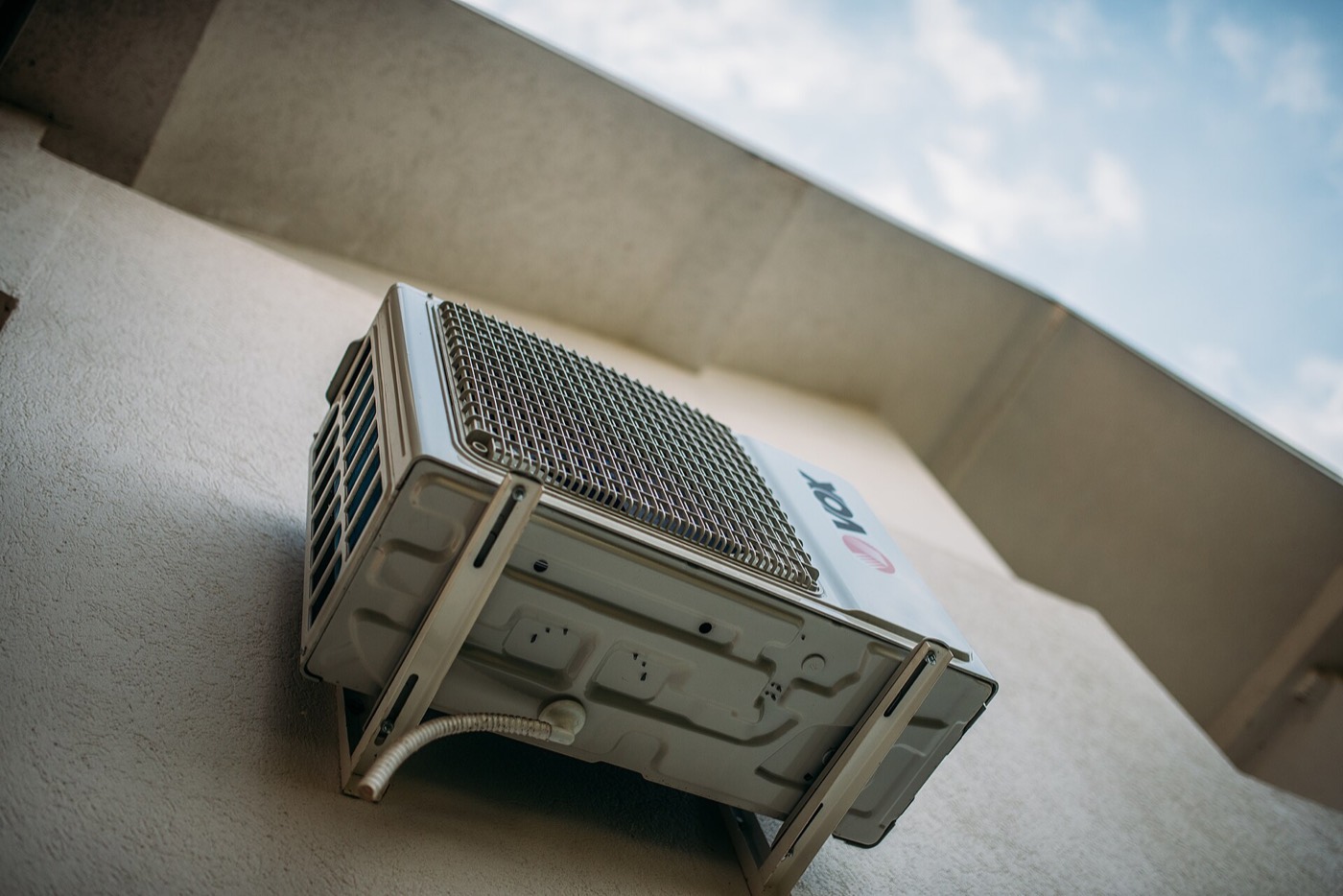
Quick answer: In most cases, you don't need to fully cover your outdoor AC unit in winter. Central air condensers are built to sit outside in rain and snow. A full plastic wrap can trap moisture, which speeds rust, and gives mice a warm nest that's close to wiring. If you want protection, use a breathable cover over the top only to keep out leaves, ice and falling debris, and remove it before spring. Never cover a heat pump that runs in winter. It needs open airflow to heat your home. For a pre-winter check, book a tune-up.
Every fall, homeowners see AC covers in stores and wonder whether their unit needs one. Here's the honest answer, plus a winter checklist that actually protects your equipment.
First: is it an AC or a heat pump?
They look nearly identical outside, so check this before covering anything.
| Clue | Air conditioner | Heat pump |
|---|---|---|
| Runs in winter | No | Yes, when heating |
| Thermostat has "Emergency heat" or "Aux heat" | Usually not | Usually yes |
| Label mentions "heat pump" | No | Yes |
| You also have a furnace or boiler | Usually | Sometimes (dual fuel) |
| Frost or steam on the unit in winter | No | Yes, during defrost |
If it's a heat pump, don't cover it. Clear snow and ice instead. See heat pumps in New Jersey winters and heat pump not heating.
Why full covers often cause more harm than good
Outdoor AC units are designed for weather. Their coils, fans and cabinets handle rain and snow. Problems usually start when a unit is wrapped tightly:
- Trapped moisture: condensation can't escape and sits on metal for months. That speeds rust on the cabinet, coil and fasteners.
- Corrosion on electrical parts: moisture around the contactor and capacitor can shorten their life. See AC capacitor replacement.
- Pests: a dry, sheltered space is attractive to mice and other animals, which chew wiring and insulation.
- Forgetting it's there: on a warm spring day, someone turns on the AC with the cover still on, and the unit overheats.
- Wind damage: loose covers flap against the fins and bend them.
When a cover makes sense
A breathable, top-only cover, or a piece of plywood weighted securely on top, can help when:
- Trees drop leaves, seeds or pine needles into the unit
- Ice or icicles fall from a roof edge directly above it
- Heavy debris blows in from a nearby construction site
Leave the sides open so air can circulate and moisture can dry. Secure it so it can't blow away in a nor'easter.
Shore homes: salt air comes first
At the Jersey Shore, salt is a bigger threat than snow. Before winter:
- Gently rinse the outdoor coil with fresh water from a garden hose, from the inside out if you can reach. No pressure washer.
- Let it dry completely.
- Check for corrosion on the coil, cabinet and electrical connections.
- Consider a top-only cover if the unit sits under a deck or roof edge where debris collects.
See salt air and AC corrosion and winterizing a shore house. For flood-prone lots, see raising HVAC equipment above flood level.
Your fall AC checklist
- Clear debris: leaves, sticks, grass clippings and seed pods from the top and around the base.
- Trim plants back: leave about two feet of clearance around the unit.
- Check it's level: a tilted pad can strain refrigerant lines and the compressor mounts.
- Inspect the line set insulation where copper lines enter the house. Replace cracked or missing foam.
- Check the electrical disconnect box is closed and dry. Don't open it if it's damaged; call instead.
- Look for damage: bent fins, rust or a loose top panel.
- Rinse the coil if you live near salt water.
- Optional: add a breathable top-only cover.
Some homeowners switch off the outdoor unit's disconnect for the winter. If you do, remember to switch it back on in spring, and only touch it if it's dry and undamaged. For heat pumps, always leave it on.
Winter checks after storms
- Brush snow off the top gently with a broom. Never chip ice off the coil.
- Keep the area around the unit clear so snowmelt can drain.
- Watch for ice dams or icicles forming above the unit, and fix gutters if water drips onto it.
- Clear dryer and furnace vents nearby, which matter more for safety. See carbon monoxide detector beeping.
Spring: before you turn it on
- Remove any cover.
- Clear the winter debris.
- Change the indoor filter (see which way the furnace filter goes).
- Switch the disconnect back on if you turned it off.
- Set the thermostat to Cool and listen for normal startup.
- Book a spring tune-up to test refrigerant, electrical parts and drains. See what happens during an AC tune-up.
If the AC hums but won't start, or blows warm air, see AC not turning on and AC running but not cooling.
Myths about AC units in winter
- "Snow ruins the coil." Outdoor units are built for weather; normal snow isn't the problem. Trapped moisture and salt are.
- "Covering saves energy." An AC that's off uses no energy whether covered or not.
- "I need to drain refrigerant for winter." No. The system stays sealed all year.
- "Plastic tarps are fine." They trap moisture. Use breathable material, top only.
Thinking about replacing it?
Fall and winter are good times to plan an AC replacement without the summer rush. You might also consider a heat pump that heats as well as cools. See heat pump vs air conditioner and the best time to replace your AC. New systems qualify for $500 off (terms apply), and financing is available through Synchrony, subject to credit approval. See HVAC financing in New Jersey.
Choosing a cover, if you use one
If your unit sits under trees or a dripping roof edge, look for:
- Breathable material, such as a mesh or vented fabric, never a plastic tarp
- Top-only design that covers just the fan grille and top panel
- Secure fastening with straps or weights that won't scratch the cabinet
- The right size so it doesn't flap in the wind
A piece of exterior plywood, slightly larger than the top and weighted with a brick, works too. Just remember to remove it in spring.
Signs your outdoor unit needs attention now
- Bent or flattened fins across large areas of the coil
- Rust on the cabinet base or coil
- Oily stains on the coil or copper lines, which can mean a refrigerant leak (see AC refrigerant leak signs)
- Cracked or missing insulation on the copper lines
- The unit sinking or tilting on its pad
- Chewed wiring or nests inside the cabinet
Fixing these in the off-season is easier than in the first heat wave.
The short version
Leave a standard AC uncovered or use a breathable top-only cover, never cover a heat pump, rinse off salt at the shore, and clear debris after storms. Remove any cover before the first warm day.
AC and heat pump service near you
We maintain, repair and replace outdoor units of every brand across all 153 towns in Ocean, Monmouth, Burlington and Middlesex counties, including Seaside Heights, Long Beach Township, Stafford Township and Wall Township.
Book a tune-up online or call (732) 779-7106.
Frequently asked questions
Should I cover my AC unit in the winter?
Usually not fully. Outdoor AC units are designed to handle rain and snow. A breathable cover or board over the top only can keep out leaves and falling ice, but avoid wrapping the sides in plastic, which can trap moisture and invite pests.
Should I cover my heat pump in winter?
No. A heat pump runs in winter to heat your home and needs open airflow around the coil. Covering it can stop it from working and cause damage. Keep it clear of snow and ice instead.
Can a cover damage my air conditioner?
A full, non-breathable cover can trap condensation, which speeds rust and corrosion on coils and electrical parts, and can attract mice that chew wiring. If you use a cover, choose a breathable top-only style and remove it in spring.
What should I do to my AC before winter?
Clear leaves and debris, trim plants back, make sure the unit is level, keep the electrical disconnect closed and dry, and check the top of the unit for damage. At the shore, gently rinse salt off the coil before winter.
Do you check AC units before winter?
Yes. Our tune-ups check outdoor units, electrical parts and coils. We serve Ocean, Monmouth, Burlington and Middlesex counties.
HVAC Tune-Ups near you
We provide HVAC tune-ups in all 153 towns across Ocean, Monmouth, Burlington and Middlesex counties. Find your area:
Monmouth County (all 53 towns)
Too hot? Too cold? Let’s fix that today.
Book online in about a minute or call us for honest advice and an upfront quote. Same day service across Ocean, Monmouth, Burlington and Middlesex counties.
- $50 off your first repair (new customers, terms apply)
- 24/7 emergency line
- Upfront quotes
- No hidden fees
- Licensed & family owned


Install our app
On your iPhone or iPad, in Safari:
- Tap the Share button ↑︎ at the bottom of the screen
- Scroll down and tap Add to Home Screen
- Tap Add. The app appears on your home screen
Using Chrome on iPhone? Tap the share icon in the address bar, then Add to Home Screen.
On your Android phone, in Chrome:
- Tap the menu ⋮ at the top right
- Tap Install app (or Add to Home screen)
- Tap Install. The app appears on your home screen
No app store, no sign-up needed. Book service, track appointments and see your invoices and receipts.