
In this guide
Quick answer: A heat pump cools your home exactly like an air conditioner, but it can also run in reverse to heat your home in winter. It usually costs more to install than a comparable AC, and it can reduce how much you use your furnace, boiler or other heat. In New Jersey, many homes pair a heat pump with a gas furnace as a dual fuel system for the coldest nights. The right choice depends on how you heat now, your fuel and electric prices, your ductwork and how long you'll stay. We'll price both with a free written estimate and $500 off a new system (terms apply). See AC installation and heat pump installation.
When your air conditioner needs replacing, you have a real decision: replace like for like, or upgrade to a heat pump that also heats. Here's how to compare them.
How they're the same, and different
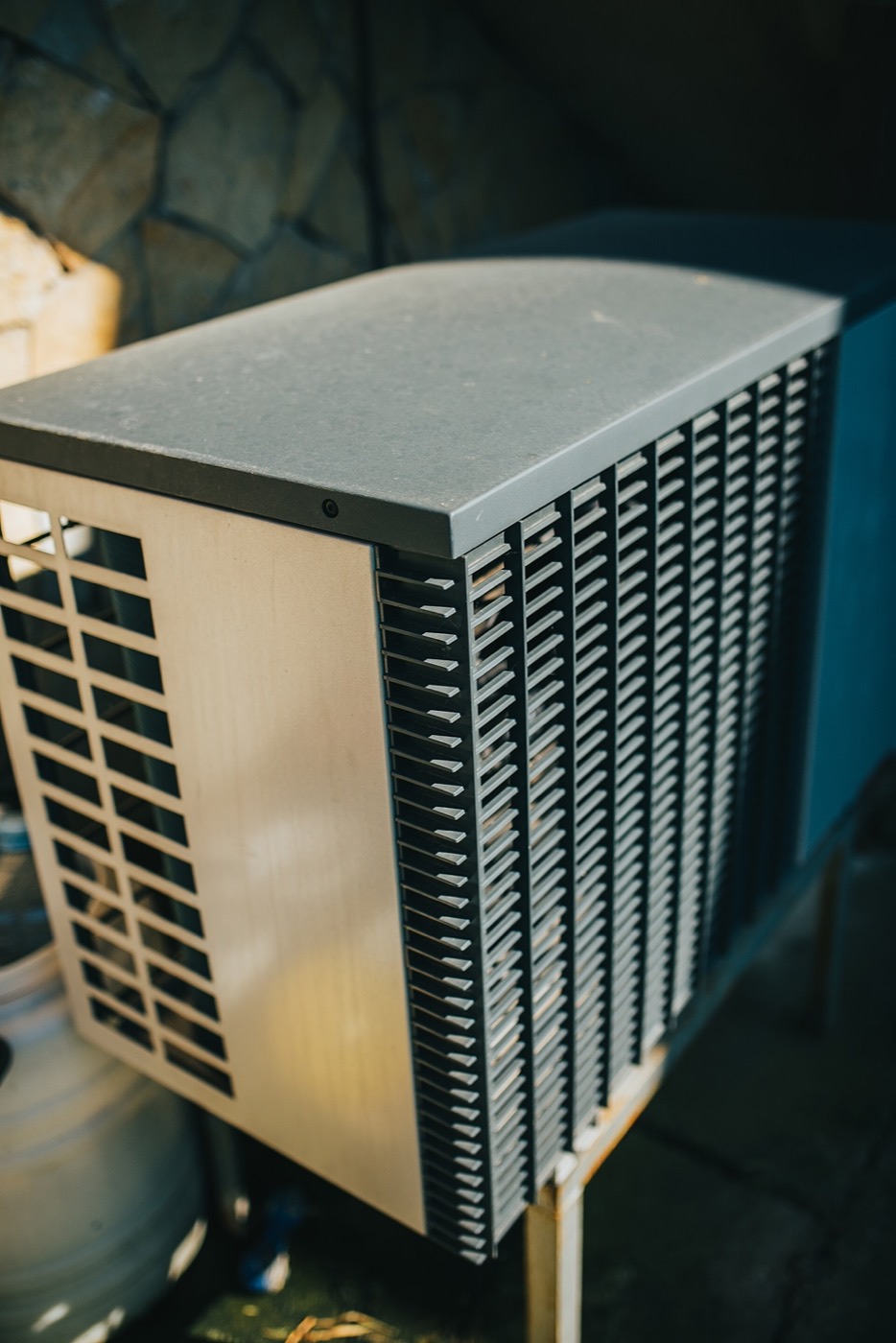
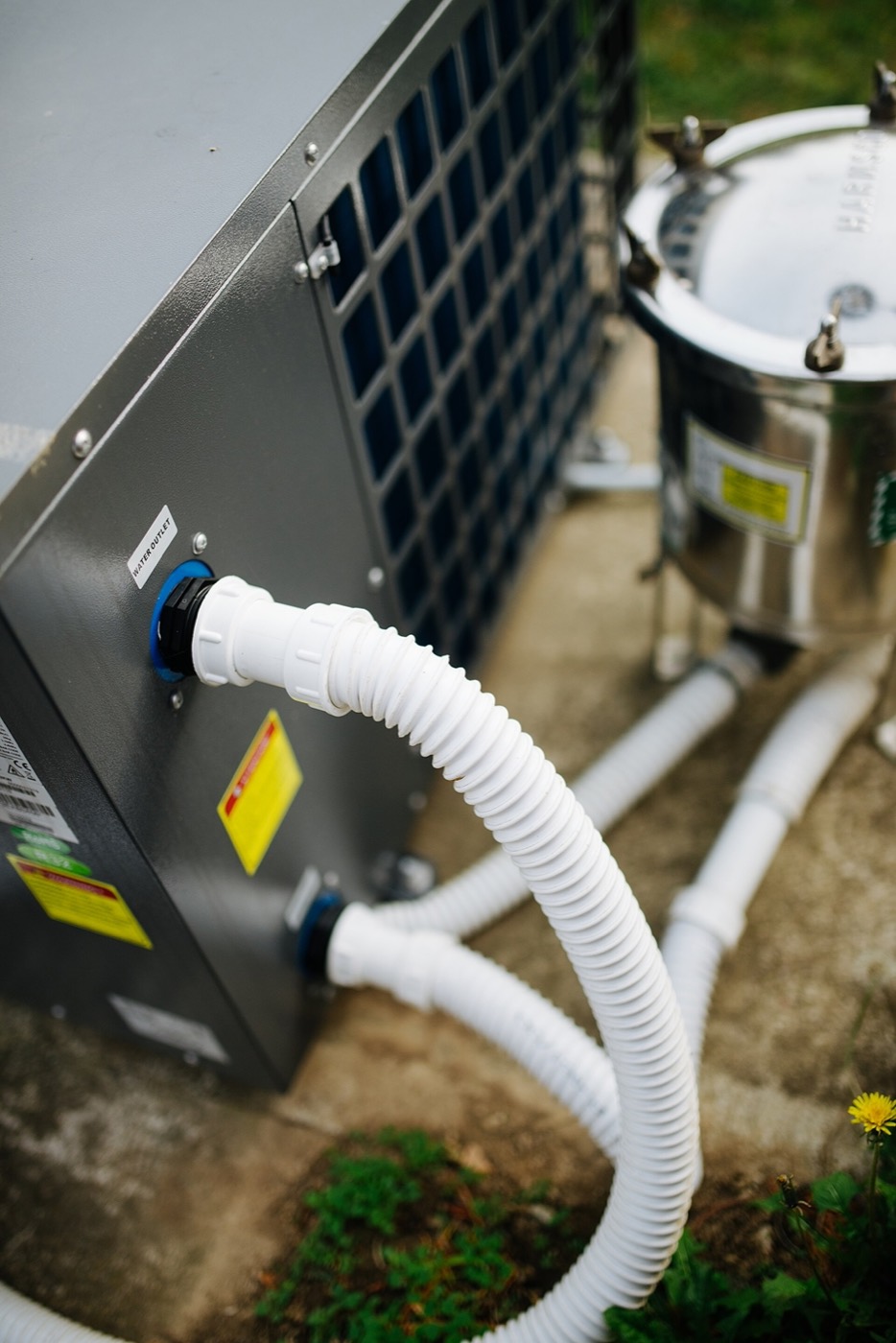
Both systems have an outdoor unit, an indoor coil and refrigerant lines. In summer they work the same way, absorbing heat indoors and releasing it outside.
The difference is a reversing valve. In winter, a heat pump flips the process, pulling heat from the outdoor air and releasing it inside your home.
| Central air conditioner | Heat pump | |
|---|---|---|
| Cooling | Yes | Yes, the same way |
| Heating | No | Yes |
| Needs a separate heat source | Yes (furnace, boiler) | Often a backup in NJ |
| Installed cost | Usually lower | Usually higher |
| Runs in winter | No | Yes |
| Efficiency ratings | SEER2 | SEER2 and HSPF2 |
| Typical life | Often around 12–15 years | Often around 10–15 years |
See efficiency ratings explained and how long systems last.
When an air conditioner makes sense
- Your furnace or boiler is newer and efficient, and you're happy with how it heats
- You heat with natural gas and the price difference doesn't favor electric heat for your home
- You want the lowest upfront cost
- You may move soon
- Your electrical panel would need a costly upgrade for a heat pump
When a heat pump makes sense
- You heat with oil, propane or electric baseboard, where a heat pump comparison often looks stronger
- Your furnace is also aging, and you're considering dual fuel
- You want one system for most of the year
- You want more flexibility as energy prices change
- You plan to stay for many years
See propane or oil vs heat pump and heat pump vs furnace.
The dual fuel option
Many New Jersey homes choose a middle path. They replace the AC with a heat pump and keep or replace the gas furnace. The heat pump covers cooling and milder heating days, and the furnace takes over on the coldest nights. See dual fuel heat pump and furnace systems.
This is often the easiest upgrade when your AC fails and your furnace still has life in it, as long as the furnace, coil and controls are compatible.
How New Jersey winters affect the decision
Heat pumps lose heating capacity as it gets colder. Cold-climate models are designed to keep producing useful heat at much lower temperatures than older heat pumps. Inland areas, such as the Pine Barrens and western Monmouth, see colder nights than the shore, so sizing and backup heat matter more there. See cold-climate heat pump installation and heat pumps in New Jersey winters.
Comparing costs fairly
Upfront: a heat pump usually costs more than an equivalent AC, and more again if you add electrical work or backup heat. See what affects heat pump installation cost and AC replacement cost factors.
Running costs: in summer, a heat pump and an AC with similar efficiency ratings cost about the same to run. The difference is winter, which depends on:
- Your current heating fuel and its price
- Your electric rate
- The efficiency of each piece of equipment
- Your home's insulation and air leaks
Ask for a comparison using your own energy bills, and be wary of anyone promising a fixed savings figure before seeing your home.
Financing: you can pay for a new heating or cooling system over time with financing through Synchrony, subject to credit approval. See HVAC financing in New Jersey.
Ductwork and sizing
Both systems need a correct load calculation. Heat pumps deliver warm rather than hot air in winter, so leaky or undersized ducts affect comfort more. See how to size a system and duct sealing.
No ducts? A ductless mini-split heat pump can cool and heat without them.
Questions to ask your installer
- What are the installed prices for an AC and a heat pump, side by side?
- Is my furnace compatible with dual fuel?
- What is this heat pump's output at our winter design temperature?
- Do I need electrical updates?
- How will backup heat be controlled?
- What warranty applies, and what are its conditions?
See 10 things to check on an AC installation quote.
Our honest take
If your AC is failing and your furnace is fine, a heat pump in a dual fuel setup is often worth pricing. If both are old, compare a full heat pump system, dual fuel and a new AC with a furnace. If you just want reliable cooling at the lowest cost and your heating works well, a new AC is a perfectly good choice.
What changes in daily life
With an air conditioner: summer feels the same as before. Your furnace or boiler handles all the heating, as it does now.
With a heat pump: summer feels the same. In winter, the heat pump runs longer, gentler cycles and delivers warm rather than hot air. Temperatures tend to stay steady. On frosty days the outdoor unit runs short defrost cycles and may release a little steam, which is normal. With dual fuel, the furnace takes over automatically when it's very cold.
Maintenance: an AC needs a spring tune-up. A heat pump works all year, so it benefits from both spring and fall checks. The Prime Comfort Club covers one heating and one AC tune-up a year for $19/month (terms apply).
Three common scenarios
1. AC failed in a heat wave, furnace is ten years old. A heat pump in a dual fuel setup is worth pricing alongside a new AC. If budget is tight, a matched AC still makes sense.
2. Both the AC and furnace are 15+ years old. Compare three options: AC plus furnace, heat pump plus furnace (dual fuel), or a cold-climate heat pump with electric backup.
3. Oil heat and an old AC. A heat pump often makes a strong case here, either as the main heat source or alongside the existing system.
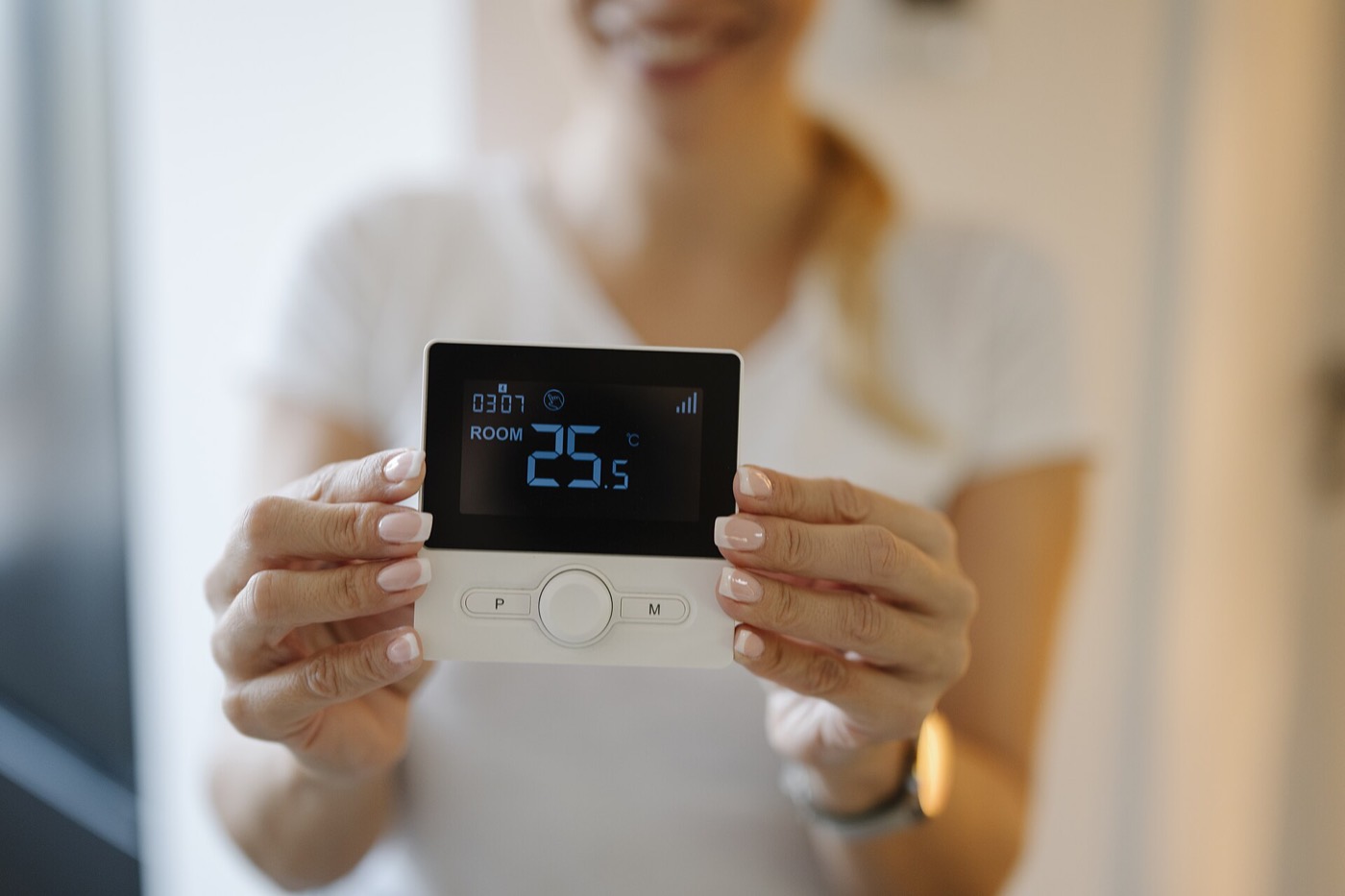
Not sure which you have now? Check the outdoor unit's label for the words "heat pump", or look for an "Emergency heat" setting on your thermostat.
Why it's worth deciding before summer
Making the choice in fall or winter gives you time to compare quotes, check your furnace's compatibility for dual fuel and schedule installation without a heat wave forcing a rushed decision.
Free estimates near you
We install heat pumps, central air and dual fuel systems from all major brands across all 153 towns in Ocean, Monmouth, Burlington and Middlesex counties, including Toms River, Jackson, East Brunswick and Marlton.
Book your free estimate online or call (732) 779-7106. Save $500 on a new system (terms apply).
Frequently asked questions
Is a heat pump the same as an air conditioner?
For cooling, yes: both move heat out of your home the same way. A heat pump adds a reversing valve so it can also move heat indoors in winter, so it heats as well as cools.
Is a heat pump more expensive than an AC?
A heat pump usually costs more to install than a comparable air conditioner. It can lower heating costs by doing some or all of the heating, depending on your current fuel, your electric rate and the system you choose.
Does a heat pump work in New Jersey winters?
Yes. Cold-climate heat pumps are designed to heat well below freezing, though output falls as it gets colder. Many NJ homes use a furnace or other backup for the coldest nights.
Should I replace my AC with a heat pump?
It is worth comparing whenever your AC is due for replacement, especially if you heat with oil, propane or electric resistance heat, or want a dual fuel system. We can price both side by side.
Do you install heat pumps and air conditioners?
Yes. We install heat pumps, central air and dual fuel systems across Ocean, Monmouth, Burlington and Middlesex counties, with free written estimates and $500 off a new system (terms apply).
Furnace & Heat Pump Installation near you
We provide furnace & heat pump installation in all 153 towns across Ocean, Monmouth, Burlington and Middlesex counties. Find your area:
Monmouth County (all 53 towns)
Too hot? Too cold? Let’s fix that today.
Book online in about a minute or call us for honest advice and an upfront quote. Same day service across Ocean, Monmouth, Burlington and Middlesex counties.
- $50 off your first repair (new customers, terms apply)
- 24/7 emergency line
- Upfront quotes
- No hidden fees
- Licensed & family owned


Install our app
On your iPhone or iPad, in Safari:
- Tap the Share button ↑︎ at the bottom of the screen
- Scroll down and tap Add to Home Screen
- Tap Add. The app appears on your home screen
Using Chrome on iPhone? Tap the share icon in the address bar, then Add to Home Screen.
On your Android phone, in Chrome:
- Tap the menu ⋮ at the top right
- Tap Install app (or Add to Home screen)
- Tap Install. The app appears on your home screen
No app store, no sign-up needed. Book service, track appointments and see your invoices and receipts.