
In this guide
Quick answer: A ductless mini-split is a heat pump that heats and cools individual rooms without ductwork, using a small outdoor unit and one or more indoor units. It's a strong choice for older homes without ducts, additions, finished attics, sunrooms, garages and rooms that never get comfortable. Each indoor unit has its own temperature control. Sizing and placement matter, and indoor filters need regular cleaning.
Not every home has ductwork, and not every room gets comfortable with the ducts it has. That's where ductless mini-splits come in. They've become one of the most popular ways to add efficient cooling and heating to older homes, additions and problem rooms across New Jersey.
How a mini-split works
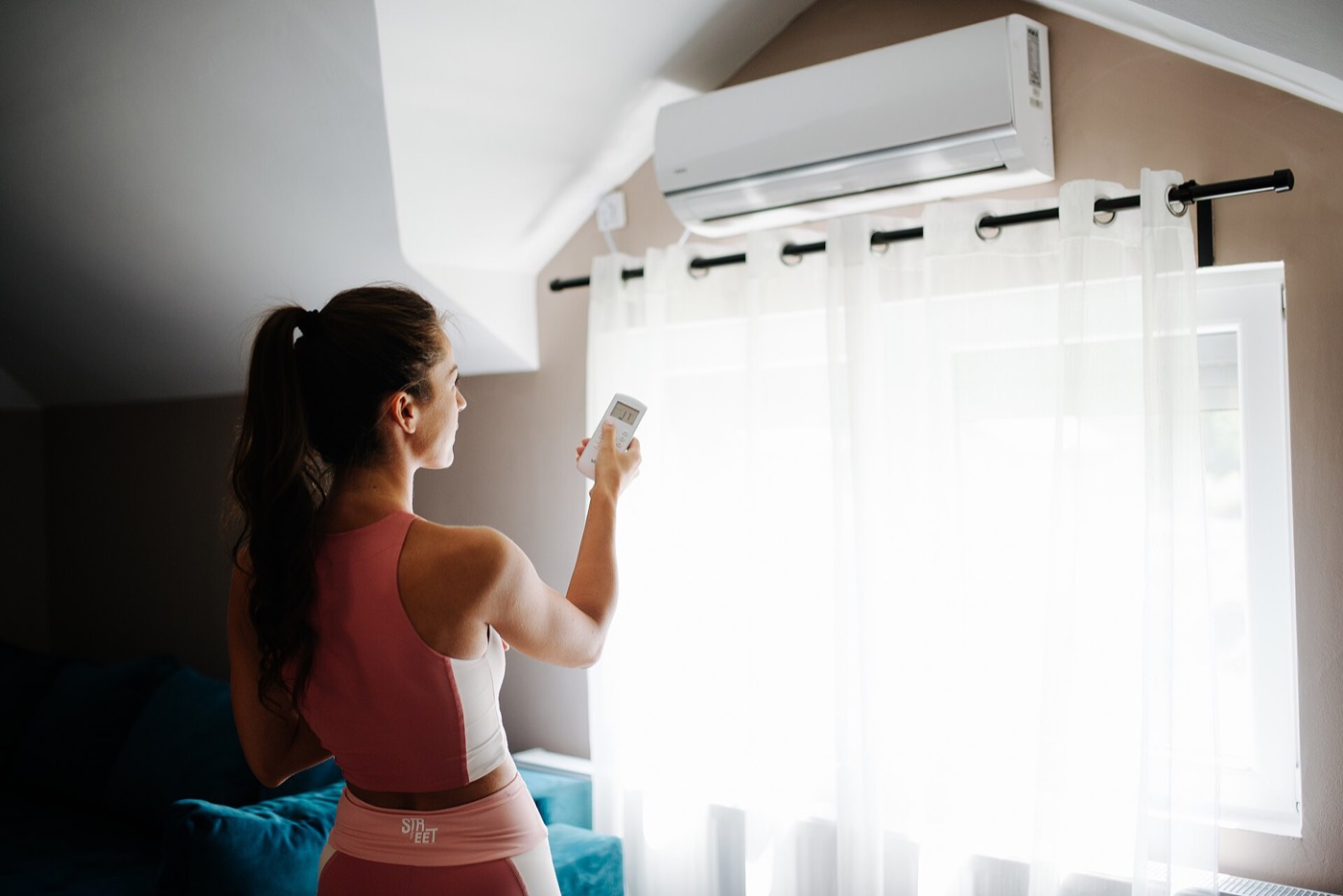
A mini-split is a heat pump with two main parts:
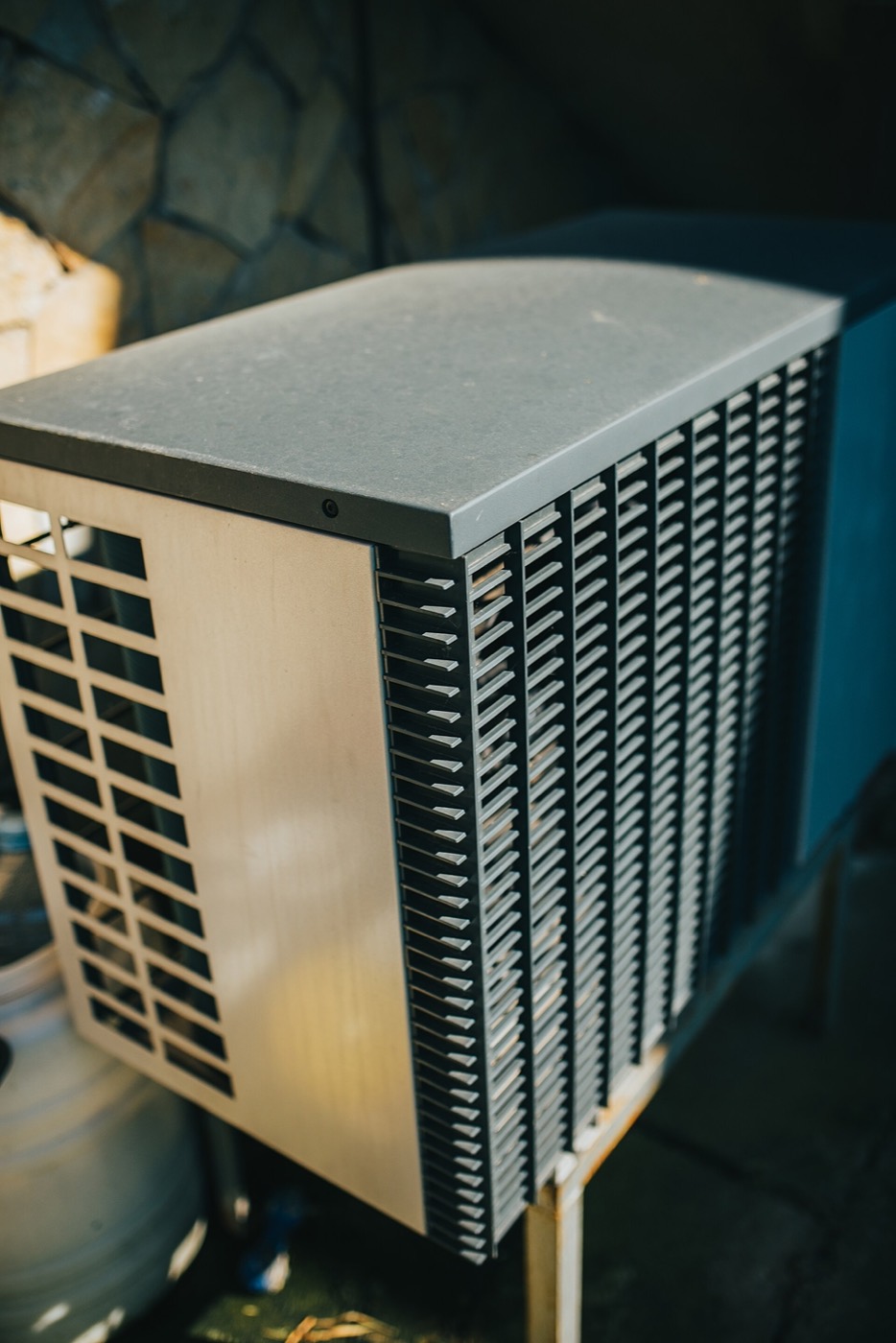
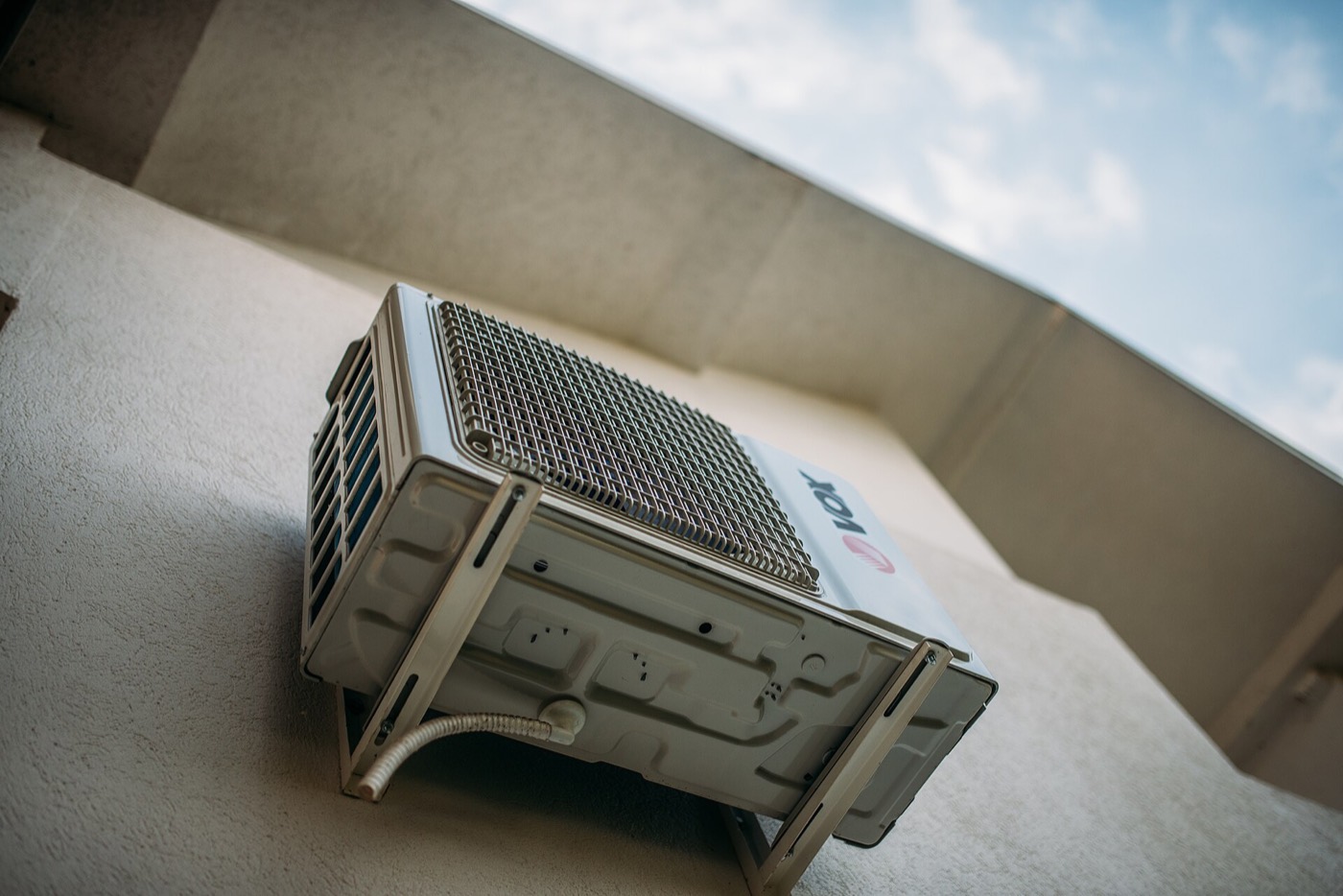
- An outdoor unit (condenser/compressor)
- One or more indoor units (often called "heads") mounted high on a wall, in the ceiling or near the floor
A small bundle of refrigerant lines, power and a condensate drain connects them through a hole about three inches across. In summer it cools and dehumidifies; in winter it reverses to heat, just like a ducted heat pump. Each indoor unit has its own remote or thermostat, so every room becomes its own zone.
Where mini-splits shine
- Homes without ductwork: houses heated by baseboard or radiators that never had central air.
- Historic and older homes: limited space for ducts in places like Spring Lake, Island Heights, Red Bank and Bay Head.
- Additions, finished attics and bonus rooms: spaces the existing system can't reach well.
- Sunrooms and enclosed porches: lots of glass, big temperature swings.
- Garages, workshops and home offices: comfort where you need it.
- Hot upstairs bedrooms: a targeted fix instead of oversizing the whole system. See why is my upstairs so hot.
Pros and cons
| Pros | Cons |
|---|---|
| No ductwork needed | Indoor units are visible on walls |
| Room-by-room temperature control | Higher cost per room than adding to existing ducts |
| High efficiency, no duct losses | Indoor filters need regular cleaning |
| Quiet operation | Each head needs a condensate drain path |
| Heating and cooling in one system | Placement takes planning in older homes |
Mini-split vs. central air
If your home already has good ductwork, a central system is often the most cost-effective way to condition the whole house. If you have no ducts, or just a few rooms that need help, mini-splits avoid the cost and disruption of adding ductwork. Some homes use both: central air for most of the house and a mini-split for an addition or a stubborn room.
Sizing and placement matter
An oversized head short-cycles and leaves the room clammy, a real issue in humid shore homes. A proper evaluation looks at room size, windows, sun exposure, insulation and how the space is used. Placement affects airflow, comfort, the line set route and where condensate drains. Read our sizing guide.
Cold weather and efficiency
Mini-splits are typically variable-speed (inverter) heat pumps, which makes them efficient and steady. Many are designed to keep heating in cold weather. As with any heat pump, capacity drops as temperatures fall, so some homes keep existing heat as backup for the coldest nights. More in heat pumps in New Jersey winters.
Maintenance tips
- Clean indoor filters often, monthly in heavy use. They slide out and rinse clean.
- Keep the outdoor unit clear of leaves, snow and debris.
- Near the ocean, rinse the outdoor coil gently and ask about corrosion protection. See salt air and AC corrosion.
- Schedule professional maintenance to clean coils and blower wheels and check the system. Dirty indoor coils can cause odors and poor performance.
Questions to ask before installing
- How many indoor units do I need, and where will they go?
- Where will the outdoor unit and line set run?
- How will condensate drain from each head?
- Is the system sized for heating as well as cooling?
- What maintenance will it need?
Multi-zone vs. single-zone systems
- Single-zone: one outdoor unit paired with one indoor unit. Ideal for a single addition, garage, sunroom or problem bedroom.
- Multi-zone: one outdoor unit serving two or more indoor units, each with its own temperature control. Useful for conditioning several rooms without ductwork, with fewer outdoor units on the property.
Multi-zone systems save space outside, but each indoor unit still needs its own line set route and condensate drain. In some homes, two single-zone systems make more sense for capacity, redundancy or layout reasons.
Indoor unit styles
Wall-mounted units are the most common and cost-effective. Ceiling cassettes sit flush in the ceiling for a cleaner look, floor consoles work well under windows or in attic knee-wall rooms, and concealed ducted units hide in a closet or attic and serve a few rooms through short ducts. The right choice depends on the room, the look you want and where the equipment can go.
Is ductless right for you?
We'll look at your home and tell you honestly whether a ductless system, a central system or a combination makes the most sense, with upfront pricing. See AC installation and furnace and heat pump installation, and message us on WhatsApp or call to schedule an assessment anywhere in Ocean, Monmouth and Burlington counties.
Frequently asked questions
What is a ductless mini-split?
A ductless mini-split is a heat pump system with an outdoor unit connected by small refrigerant lines to one or more indoor units mounted on a wall, ceiling or floor. It heats and cools without ductwork.
Are mini-splits good for older homes?
Often, yes. Historic and older homes frequently lack space for ductwork. Mini-splits need only a small opening for the line set, so they can add cooling and efficient heating with minimal disruption.
Can a mini-split heat a room in winter?
Yes. Mini-splits are heat pumps, and many modern models are designed to keep heating in cold weather. Proper sizing matters, and some homes keep an existing heating system as backup for the coldest days.
How many indoor units do I need?
It depends on your layout. Each indoor unit serves a room or open area. A single unit can handle an addition or garage; whole-home setups often use several indoor units on one or more outdoor units.
How do I maintain a mini-split?
Clean or rinse the indoor unit filters regularly (often monthly during heavy use), keep the outdoor unit clear of debris and snow, and schedule professional maintenance to clean coils and check the system.
Do you install ductless systems?
Prime Comfort Group can assess whether a ductless system fits your home and give you an upfront quote. Message us on WhatsApp or call (732) 779-7106.
Too hot? Too cold? Let’s fix that today.
Message us on WhatsApp and our team will get back to you with honest advice and an upfront quote. Same day service across Ocean, Monmouth and Burlington counties.
- Upfront quotes
- No hidden fees
- Licensed & family owned