In this guide
Quick answer: Yes, cold-climate heat pumps can heat New Jersey homes in winter, but results depend on correct sizing, a suitable backup plan, sound ductwork and careful installation. These models keep producing useful heat at much lower temperatures than older heat pumps. A heat pump can replace both your AC and furnace, or work with a furnace as a dual fuel system. Your local electric and fuel rates determine running costs, so ask for a comparison based on your actual home. See furnace and heat pump installation.
Heat pumps have changed a lot in recent years, and older opinions may no longer be accurate. They aren't the right answer for every house, though. This guide helps you decide what makes sense for yours.
How a heat pump works
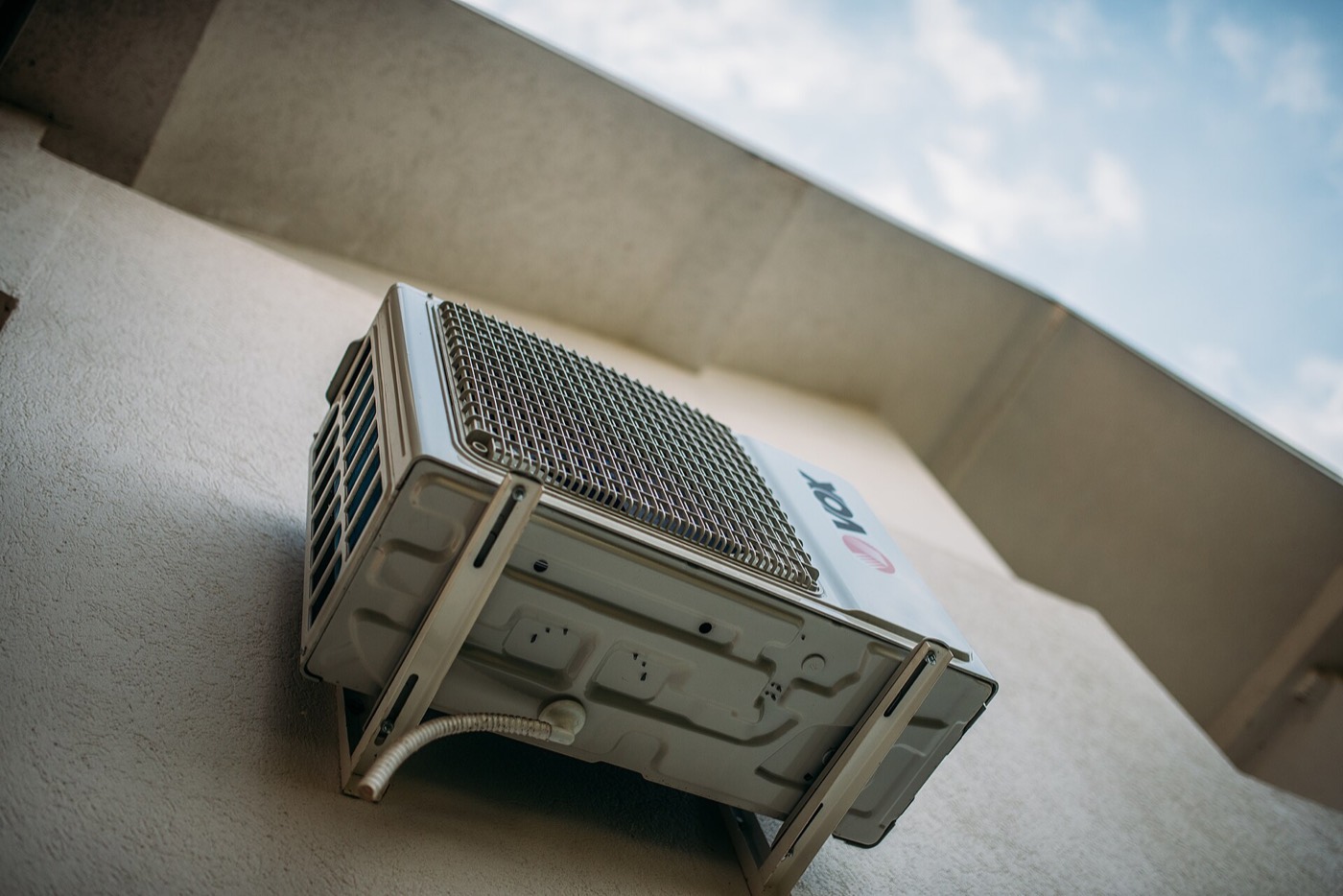
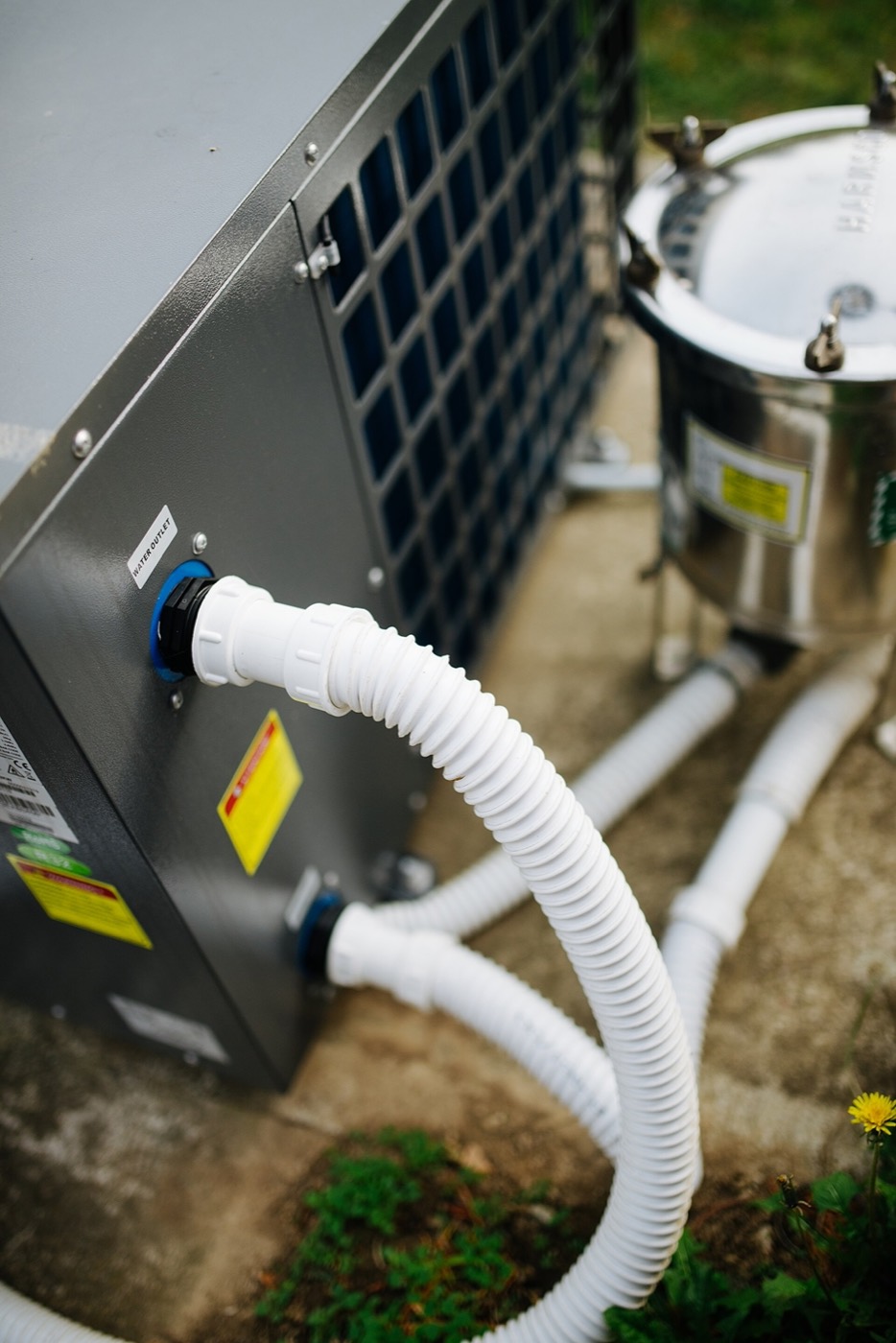
A heat pump moves heat rather than burning fuel to make it. In summer, it moves heat out of your home like an air conditioner. In winter, it reverses and pulls heat from the outdoor air into your home. Even cold air contains heat that can be captured.
Moving heat takes far less electricity than creating it with electric resistance strips, which is why heat pumps can be so efficient.
What makes a model "cold-climate"?
Standard heat pumps lose capacity quickly as temperatures fall. Cold-climate models use technology such as variable-speed compressors to keep working in colder conditions. When you compare equipment, ask for:
- Capacity at low temperatures, not just the rating at mild temperatures
- HSPF2 for heating and SEER2 for cooling (see efficiency ratings)
- Minimum operating temperature
- Defrost performance: the outdoor unit periodically melts off frost
- Controls that coordinate correctly with backup heat
Performance data for the specific model is more useful than marketing language.
Is your home a good candidate?
| Your home | What it means |
|---|---|
| Good insulation and tight windows | Heat pump does less work; easier to size |
| AC near end of life | Replace with a heat pump at the same time |
| Oil or propane heat | Often the strongest reason to compare |
| Natural gas heat | Compare carefully, or consider dual fuel |
| Small or leaky ducts | May need upgrades first |
| No ducts | Consider ductless mini-splits |
| Limited electrical panel | May need an update |
See propane or oil vs heat pump, heat pump vs furnace and heat pumps in New Jersey winters.
Sizing matters more than ever
A heat pump has to handle both your coldest winter days and your summer cooling needs. A careful contractor will:
- Run a load calculation based on your actual home
- Look at output at the winter design temperature for your area
- Decide how much backup is needed and when it should turn on
- Check that the ductwork can move enough air
Inland areas such as the Pine Barrens usually see colder winter nights than the shore, so design temperatures can vary by location. See how to size a system.
Your backup heat options
Most New Jersey installations include a backup of some kind:
- Electric heat strips: simple, inexpensive to install and costly to run for long periods
- Gas or propane furnace (dual fuel): the system switches to the furnace when that makes more sense. See dual fuel systems.
- Existing boiler or other heat: sometimes kept as a backup
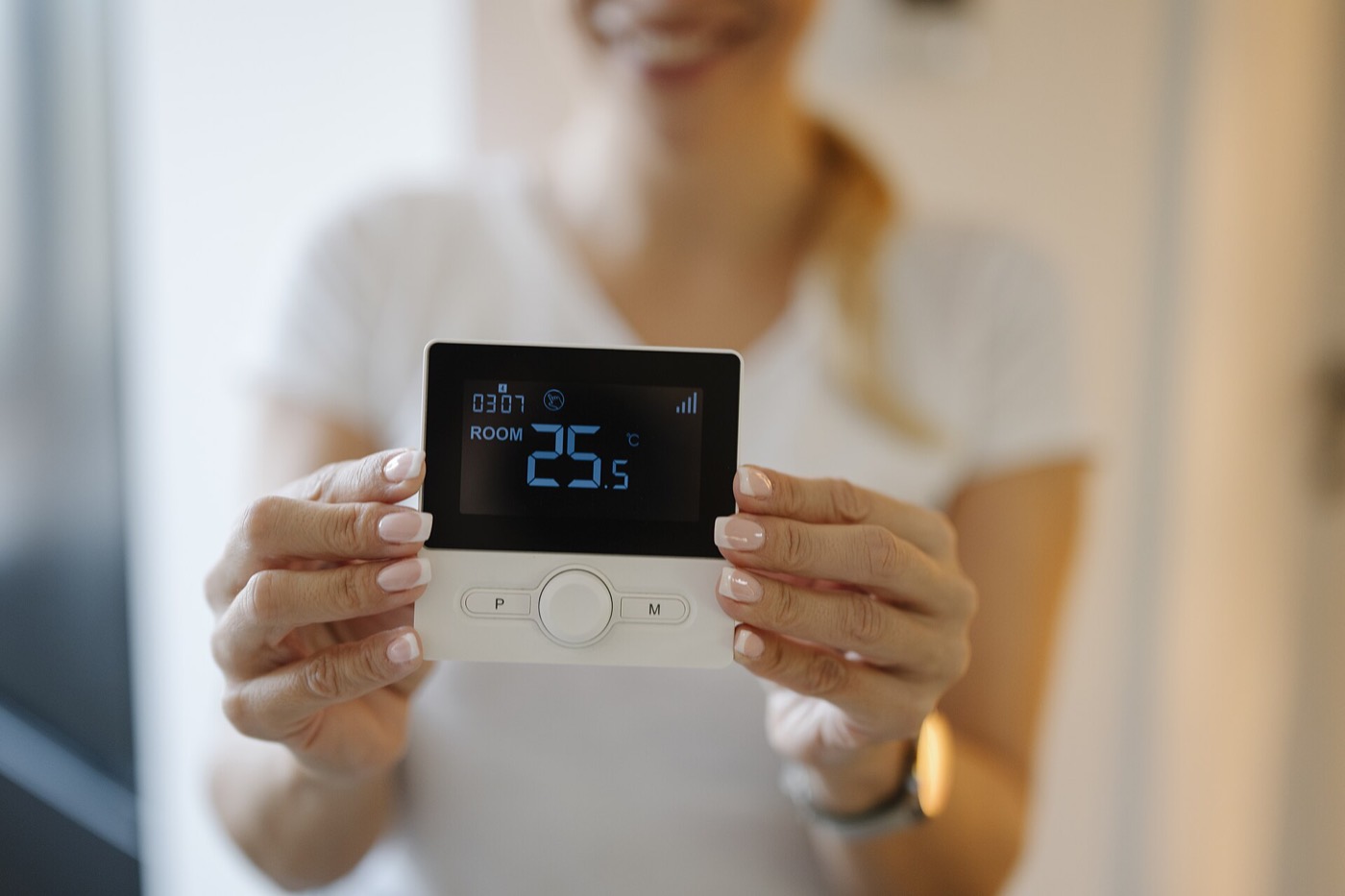
Understanding your thermostat matters too. See emergency heat vs aux heat.
Ducted or ductless?
A ducted system uses your existing ductwork, which should be inspected first. Leaks, undersized returns and poor airflow hurt a heat pump more than a furnace, because heat pumps deliver air at a lower temperature. See duct sealing.
Ductless mini-splits work well in homes without ducts, in additions and in rooms that are hard to heat. See the ductless mini-split guide.
What affects the cost
We don't publish one price because the job depends on your home:
- Capacity and efficiency of the system
- Ductwork repairs, sealing or new returns
- Electrical panel or circuit updates
- Backup heat type
- Thermostat and controls
- Line set: reuse or replace
- Outdoor unit location, stands and flood considerations
- Removal of old equipment
- Permit and inspection
Ask whether any utility or government incentives apply when you buy, and check the details yourself, since programs change. We'll give you a written, upfront price and $500 off a new system (terms apply).
What installation looks like
- Protect the work area and remove old equipment
- Set the outdoor unit on a pad or stand, raised above expected snow
- Install the indoor air handler or coil
- Run the line set, wiring and condensate drain
- Connect the electrical supply and backup heat
- Pressure test, evacuate and charge the system
- Set up controls and test heating, cooling and defrost
- Walk you through how to use it
- Handle permit and inspection paperwork
See new HVAC installation: what to expect.
What living with one is like
Heat pumps often feel different from a furnace:
- Longer, gentler cycles with air that isn't as hot, but steadier temperatures
- Frost and steam outdoors: occasional defrost cycles are normal
- Keep the thermostat steady: big setbacks can trigger backup heat
- Keep the outdoor unit clear of snow and ice
- Change filters on schedule
If it isn't heating well, see heat pump not heating.
Questions to ask any installer
- What is this model's output at our winter design temperature?
- When will backup heat turn on, and how is that controlled?
- Do my ducts need work?
- Do I need an electrical update?
- How should I run it day to day?
- What warranty applies, and what are the conditions?
Our work is performed under NJ Master HVACR License 19HC00767800, by our own team, never subcontractors.
Common myths
- "Heat pumps stop working when it's freezing." Older models struggled, but cold-climate models are designed to keep producing heat well below freezing. Output does fall as temperatures drop, which is why sizing matters.
- "A heat pump always saves money." Savings depend on what you're replacing and on your rates. Moving away from oil or propane often looks different from moving away from natural gas.
- "Any installer can size it like a furnace." A heat pump's output changes with the weather, so it takes more careful planning.
- "The steam from the outdoor unit means it's broken." It's usually a normal defrost cycle.
How to prepare for an estimate
Gather a few things before your appointment:
- Your recent gas, oil, propane and electric bills
- The age of your current equipment
- A list of rooms that are too hot or too cold
- Any insulation or window work done since the system went in
- The location of your electrical panel
Those details help us compare your options using real numbers.
If you're unsure whether your home suits a heat pump, ask for a comparison with your current system. We'll tell you if another option fits better.
An honest comparison costs nothing and may save you years of regret.
Heat pump installation near you
We install cold-climate and standard heat pumps, ducted or ductless, of all major brands, in all 153 towns across Ocean, Monmouth, Burlington and Middlesex counties. That includes Stafford Township, Marlton, Edison and Manalapan.
Book your free estimate online or call (732) 779-7106. Save $500 on a new system (terms apply).
Frequently asked questions
Do heat pumps work in New Jersey winters?
Yes. Cold-climate models are designed to provide useful heat at much lower temperatures than older heat pumps. Performance and output do fall as it gets colder, so correct sizing and a backup plan matter.
Do I need backup heat with a heat pump?
Most NJ homes have some form of backup, whether electric heat strips or a gas furnace in a dual fuel system. We recommend the right approach based on your home, utility rates and ductwork.
Can a heat pump replace my furnace and AC?
Often, yes. A heat pump provides both heating and cooling. It can replace an AC and furnace together, or be paired with an existing or new furnace as a dual fuel system.
How much does a cold-climate heat pump cost in NJ?
It depends on capacity, efficiency, ductwork, electrical updates and backup heat. We give a free written estimate with an upfront price, and new systems qualify for $500 off (terms apply).
Can I get a heat pump if my home has no ducts?
Yes. Ductless mini-split heat pumps can heat and cool homes without ductwork, including older homes with radiators. We can compare ductless and ducted options for you.
Furnace & Heat Pump Installation near you
We provide furnace & heat pump installation in all 153 towns across Ocean, Monmouth, Burlington and Middlesex counties. Find your area:
Monmouth County (all 53 towns)
Too hot? Too cold? Let’s fix that today.
Book online in about a minute or call us for honest advice and an upfront quote. Same day service across Ocean, Monmouth, Burlington and Middlesex counties.
- $50 off your first repair (new customers, terms apply)
- 24/7 emergency line
- Upfront quotes
- No hidden fees
- Licensed & family owned


Install our app
On your iPhone or iPad, in Safari:
- Tap the Share button ↑︎ at the bottom of the screen
- Scroll down and tap Add to Home Screen
- Tap Add. The app appears on your home screen
Using Chrome on iPhone? Tap the share icon in the address bar, then Add to Home Screen.
On your Android phone, in Chrome:
- Tap the menu ⋮ at the top right
- Tap Install app (or Add to Home screen)
- Tap Install. The app appears on your home screen
No app store, no sign-up needed. Book service, track appointments and see your invoices and receipts.