
In this guide
Quick answer: A dual fuel system pairs an electric heat pump with a gas or propane furnace. The heat pump handles cooling and most mild-weather heating, while the furnace takes over when it's very cold or when it's the more economical choice. It can work well in New Jersey, where winters swing between mild days and cold snaps. Your electric and fuel rates, your home and the installed price all decide whether it's worth it. We offer free written estimates and $500 off a new system (terms apply). See furnace and heat pump installation.
"Should I get a heat pump or a furnace?" is a common question. Sometimes the best answer is both. Here's how a dual fuel system works and how to tell if it suits your home.
How dual fuel works
Your system has two sources of heat, but only one runs at a time:
- Heat pump: moves heat from outdoor air into your home using electricity. It also provides your air conditioning.
- Furnace: burns gas or propane to make heat, and contains the blower that moves air through your ducts.
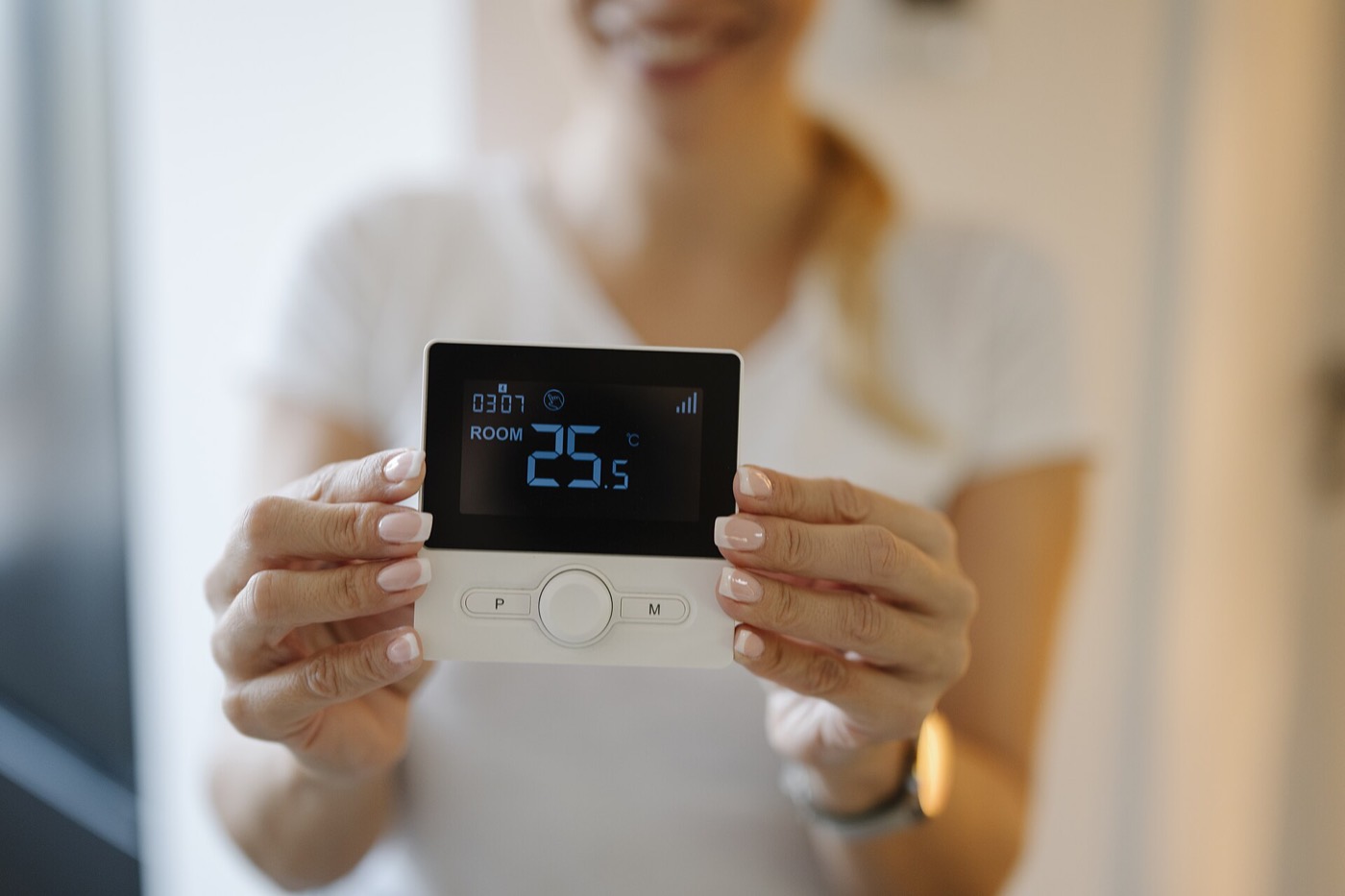
- Controls: a compatible thermostat or control board picks the heat source based on outdoor temperature or settings.
In milder weather, the heat pump runs. On the coldest days, the system switches to the furnace. Because the indoor coil sits above the furnace, the heat pump should not run while the furnace is firing, so correct controls are essential.
Why it suits New Jersey
New Jersey winters are varied. Much of the heating season includes temperatures that heat pumps handle well, with occasional cold snaps. At the shore, winters tend to be milder than in inland areas such as the Pine Barrens. Dual fuel lets you match the heat source to the day:
- Mild days: heat pump can be efficient
- Very cold nights: furnace provides strong, hot air
- Humid summers: the heat pump serves as your central air
- Changing energy prices: the switchover point can be reset
See heat pumps in New Jersey winters.
Dual fuel compared with the alternatives
| Dual fuel | Heat pump + electric strips | Furnace + AC | |
|---|---|---|---|
| Cooling | Yes | Yes | Yes |
| Mild-weather heating | Heat pump | Heat pump | Furnace |
| Very cold heating | Furnace | Heat pump + strips | Furnace |
| Fuel needed | Electric + gas or propane | Electric only | Electric + gas or propane |
| Installed cost | Often highest | Varies | Often lowest |
| Flexibility | High | Lower | Lower |
See heat pump vs furnace and cold-climate heat pumps.
Who it's a good fit for
Dual fuel may suit you if:
- Your AC and furnace are both near the end of their lives
- You have natural gas or propane and would like to use less of it
- Your home is drafty or larger, so a heat pump alone would struggle on the coldest nights
- You want stronger, hotter air on cold days
- You like having a backup if one side needs repair
- You're weighing electric rates against fuel prices
Who might not need it
- Your furnace and AC are fairly new: repair and maintain them until it's time
- Your home is well insulated and all-electric: a cold-climate heat pump alone may be enough
- No ducts: consider ductless mini-splits instead
- Oil heat: consider converting, or compare with a heat pump (see propane or oil vs heat pump)
- Radiators and a boiler: a mini-split can add cooling and shoulder-season heat, with the boiler as your winter heat
How the switchover point works
The switchover point is the outdoor temperature at which the system stops using the heat pump and starts using the furnace. It's based on two things:
- Balance point: how cold it can get before the heat pump can no longer keep up with your home
- Economic point: when it costs less to run the furnace than the heat pump, based on your rates and equipment
Your installer sets this point after looking at your equipment, your home and your local rates. Because energy prices change, it can be adjusted later. A good thermostat setup also prevents frequent switching between the two.
Can you add a heat pump to your existing furnace?
Often, yes. It works best when:
- The furnace is fairly new and in good condition
- The furnace's blower can provide the right airflow
- The indoor coil can be installed correctly above or below it
- Controls are compatible with dual fuel
- Your ductwork can handle it
If your AC is failing but your furnace is fine, this can be a smart way to upgrade. See replace only the outdoor unit or the whole system.
What affects the price
We don't list a set price, because every home is different. These items change a quote:
- Heat pump capacity and efficiency
- Furnace capacity and efficiency, or keeping your existing furnace
- Indoor coil and matching
- Thermostat and dual fuel controls
- Ductwork repairs, sealing or new returns (see duct sealing)
- Electrical updates
- Venting and gas piping
- Permit and inspection
Ask whether any utility or government incentives apply when you buy. Programs change, so check the current details yourself. We'll give you a written, upfront price, with $500 off a new system (terms apply).
Running costs: how to think about them
No single answer fits every home. Your cost depends on:
- Your electric rate and your gas or propane price
- The efficiency of each piece of equipment
- Your home's insulation and air leaks
- Your thermostat habits
- How cold your area gets
Be careful with any company that promises a specific savings figure before looking at your home. Ask them to explain how they calculated it. See lower your heating and cooling bills.
Living with dual fuel
- Keep the thermostat steady. Big setbacks may run the system less efficiently.
- Expect some differences. Heat pump air feels milder than furnace air.
- Clear snow and ice from around the outdoor unit.
- Change filters on schedule.
- Service both systems. Tune-ups cover heating and cooling, including combustion and carbon monoxide testing on the furnace.
See emergency heat vs aux heat. The Prime Comfort Club covers one heating and one AC tune-up per year for $19/month (terms apply).
Questions to ask any installer
- How will you choose the switchover point?
- Can you show me the capacity of this heat pump at low temperatures?
- Are my ducts and my furnace suitable?
- What thermostat or controls will be used?
- What will the warranty cover for each piece of equipment?
- What would a heat pump-only or furnace-and-AC option cost by comparison?
Our work is performed under NJ Master HVACR License 19HC00767800, by our own team, never subcontractors.
A sensible way to decide
Start with a load calculation and a look at your ducts, then ask for prices on all three setups: dual fuel, heat pump only, and furnace with AC. Compare them using your own energy bills. If your current system still runs, you have time to get this right.
Dual fuel installation near you
We install heat pumps, furnaces and dual fuel systems of all major brands across all 153 towns in Ocean, Monmouth, Burlington and Middlesex counties. That includes Jackson, Howell, East Brunswick and Mount Laurel.
Book your free estimate online or call (732) 779-7106. Save $500 on a new system (terms apply).
Frequently asked questions
What is a dual fuel HVAC system?
A dual fuel system combines an electric heat pump with a gas or propane furnace. The heat pump handles cooling and most mild-weather heating, and the furnace takes over during very cold weather or when it is more economical.
Are dual fuel systems worth it in New Jersey?
They can be, especially if you want flexibility, strong heat on very cold nights and lower reliance on a single fuel. It depends on your electric and fuel rates, your home and the installed price, so ask for a comparison.
What temperature should a dual fuel system switch over?
There is no single answer. It depends on your heat pump’s capacity, your home’s heat loss and your local energy prices. Your installer sets this point and can adjust it if rates change.
Can I add a heat pump to my existing furnace?
Often, yes, if the furnace is in good condition and compatible, and the coil and controls are suitable. We check airflow, coil location and controls before recommending this.
Do you install dual fuel systems in my town?
Yes. We install dual fuel systems across all 153 towns in Ocean, Monmouth, Burlington and Middlesex counties, with free written estimates and $500 off a new system (terms apply).
Furnace & Heat Pump Installation near you
We provide furnace & heat pump installation in all 153 towns across Ocean, Monmouth, Burlington and Middlesex counties. Find your area:
Monmouth County (all 53 towns)
Too hot? Too cold? Let’s fix that today.
Book online in about a minute or call us for honest advice and an upfront quote. Same day service across Ocean, Monmouth, Burlington and Middlesex counties.
- $50 off your first repair (new customers, terms apply)
- 24/7 emergency line
- Upfront quotes
- No hidden fees
- Licensed & family owned


Install our app
On your iPhone or iPad, in Safari:
- Tap the Share button ↑︎ at the bottom of the screen
- Scroll down and tap Add to Home Screen
- Tap Add. The app appears on your home screen
Using Chrome on iPhone? Tap the share icon in the address bar, then Add to Home Screen.
On your Android phone, in Chrome:
- Tap the menu ⋮ at the top right
- Tap Install app (or Add to Home screen)
- Tap Install. The app appears on your home screen
No app store, no sign-up needed. Book service, track appointments and see your invoices and receipts.