
In this guide
Quick answer: As a general guide, central air conditioners last about 12–17 years, gas furnaces about 15–20 years, and heat pumps about 10–15 years, since they run year-round. Salt air near the ocean, skipped maintenance, oversizing and poor installation shorten those ranges. Annual tune-ups, clean filters and keeping outdoor units clear are the best ways to reach or exceed them.
"How much life does my system have left?" It's one of the most practical questions a homeowner can ask, because it shapes whether you repair, maintain or start planning a replacement. Here are realistic lifespans for common equipment in New Jersey homes, what shortens them, and how to make yours last.
Typical lifespans
| Equipment | Typical lifespan* |
|---|---|
| Central air conditioner | ~12–17 years |
| Gas furnace | ~15–20 years |
| Heat pump (ducted) | ~10–15 years |
| Ductless mini-split | ~10–15+ years |
| Thermostat | ~10 years (technology often drives earlier upgrades) |
*Ranges are general guidance. Real-world life depends heavily on maintenance, installation quality, usage and environment.
How to find your system's age
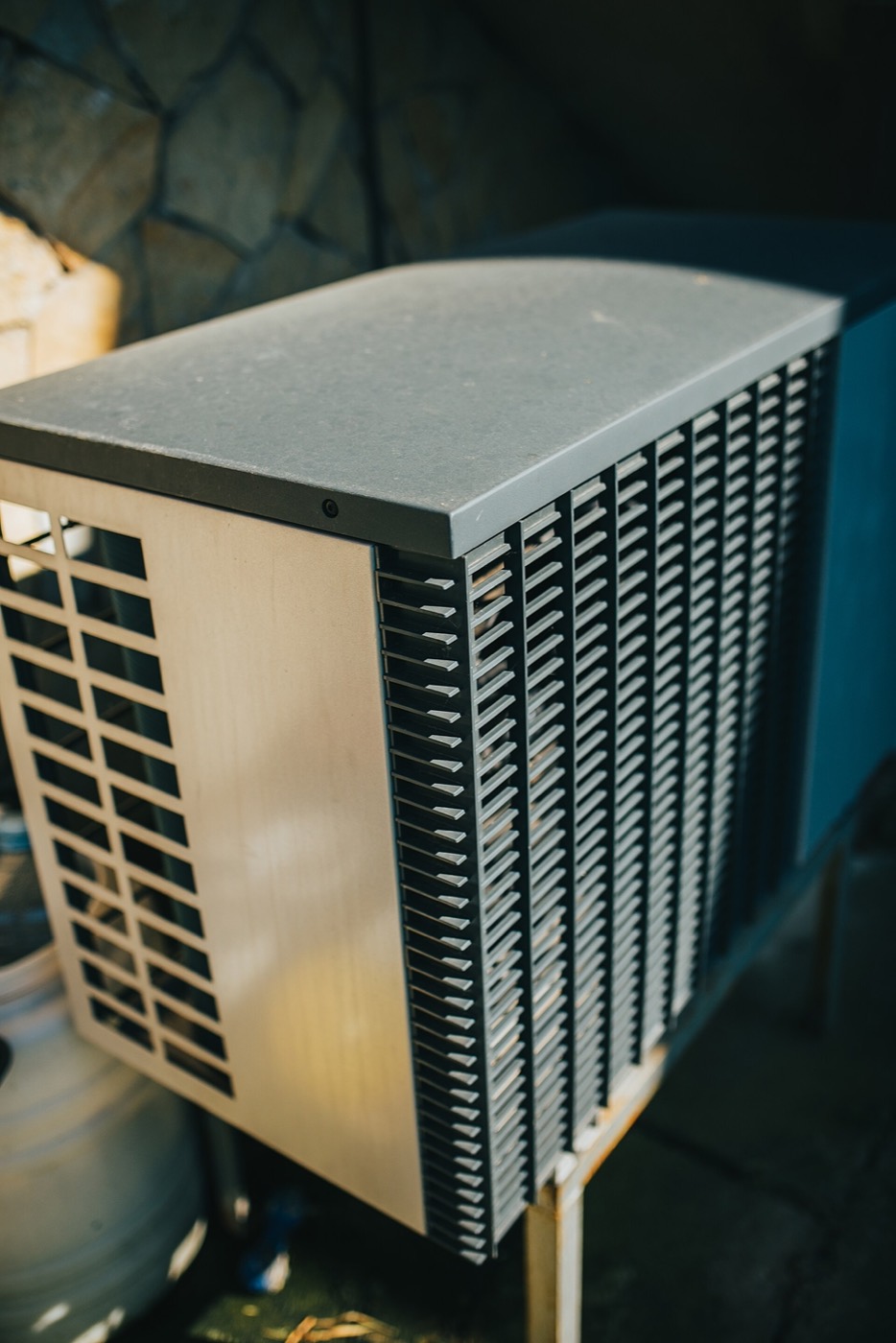
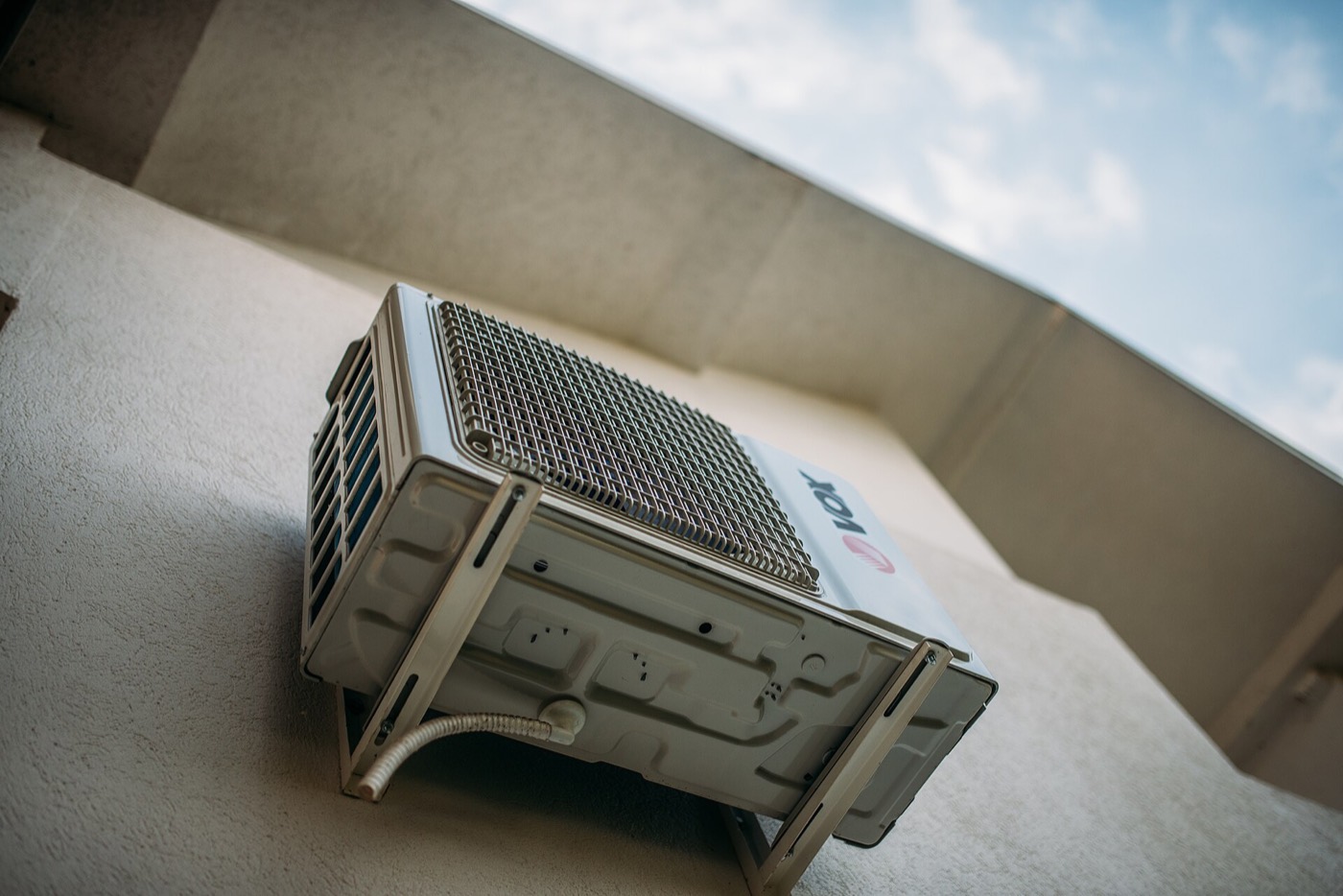
Look for the data plate on the outdoor unit and the furnace or air handler. The manufacture date is often encoded in the serial number (formats vary by brand). We can decode it for you during any visit.
What shortens equipment life
Salt air near the coast
Homes in Seaside Park, Lavallette, Ortley Beach and other oceanfront and bayfront areas see faster corrosion of outdoor coils, fins and electrical parts. See salt air and AC corrosion.
Skipped maintenance
Dirty coils, clogged filters, weak capacitors and incorrect refrigerant charge make systems run hotter and longer, wearing out compressors and motors.
Oversizing and short cycling
Systems that turn on and off too often wear out faster. See short cycling explained.
Poor installation
Incorrect refrigerant charge, poor airflow, leaky ducts and bad drainage create problems from day one.
Heavy use
Long, hot summers and cold inland winters (like in Jackson) add run hours. Heat pumps work year-round, which is why their typical lifespan is shorter.
Flooding
Equipment that's been underwater rarely recovers fully. See flooded HVAC equipment.
Signs your system is near the end
- Repairs every season, or one large repair bill on an older system
- Rising energy bills without a change in use
- Rooms that never get comfortable, or humidity problems
- Strange noises or smells. See what HVAC noises mean
- An AC that uses R-22 refrigerant and needs a recharge
- For furnaces: a cracked heat exchanger, yellow flame or CO concerns. See signs you need a new furnace
Age isn't the only factor
A 16-year-old furnace that's been maintained every year and runs safely can keep going. A 9-year-old AC with a failed compressor and R-410A refrigerant may still be worth repairing, or it may not, depending on the price. Our repair-or-replace guide explains the "5,000 rule" and other ways to decide.
How to make your system last longer
- Annual tune-ups: AC in spring, heating in fall.
- Filters: check monthly, change as needed. See our filter guide.
- Keep outdoor units clear of plants, debris and snow.
- Rinse coastal coils gently with fresh water every few weeks in summer.
- Fix small problems early: capacitors, drains and refrigerant leaks.
- Use sensible thermostat settings to avoid extreme run times.
- Protect equipment from floods by elevating it in flood zones.
Our Prime Comfort Club ($19/month) covers a heating and an AC tune-up every year, gives you priority scheduling and saves 10% on repairs. It's the simplest way to help your system reach, and often exceed, its expected life.
Lifespan of other HVAC components
Beyond the major equipment, a few parts wear out on their own schedule. Capacitors often fail after several years, especially in hot summers and salty air, and are inexpensive to replace. Igniters and flame sensors on furnaces are common wear items caught during tune-ups. Condensate pumps can fail without warning, so they're worth checking each season. Ductwork can last decades but often develops leaks at joints over time. Replacing these parts as they wear is normal and doesn't mean the whole system is failing.
Repair-or-replace thinking by system age
| System age | General approach |
|---|---|
| Under 8 years | Repair is almost always the right call; check warranty coverage |
| 8–12 years | Repair most problems; compare costs on major repairs |
| 12–15 years | Get both repair and replacement prices for any significant repair |
| 15+ years | Start planning replacement; repair only small, inexpensive issues |
These are starting points, not rules. A well-maintained 16-year-old furnace can keep running safely, and a neglected 9-year-old AC near the ocean can be worn out. The most useful number is the cost of the repair compared with the value left in the system.
Warranty tips
Many manufacturer warranties require registration within a set period after installation and proof of regular maintenance. Keep your installation paperwork and tune-up records together, so it's easy to make a claim if a covered part fails.
Plan ahead instead of replacing in an emergency
If your system is approaching the end of its typical life, the smartest move is planning a replacement on your schedule, in spring or fall, rather than during a heat wave. We'll assess your equipment honestly and give you upfront pricing for both repair and replacement. Serving Tinton Falls and all of Ocean, Monmouth and Burlington counties. Message us on WhatsApp or call, or see tune-ups and maintenance.
Frequently asked questions
How long does a central air conditioner last in New Jersey?
Many central ACs last roughly 12–17 years with regular maintenance. Units close to the ocean often wear out sooner because salt air corrodes coils and electrical parts.
How long does a gas furnace last?
Many gas furnaces last around 15–20 years. Regular maintenance, proper airflow and correct sizing help them reach the upper end of that range.
Why do heat pumps have shorter lifespans than furnaces?
A heat pump runs in both summer and winter, so it accumulates more operating hours each year than a furnace or AC alone. Many last about 10–15 years.
Should I replace my HVAC system just because it's old?
Not necessarily. A well-maintained older system that runs reliably can keep going. Consider replacement when repairs become frequent or expensive, efficiency and comfort drop, or the system uses phased-out R-22 refrigerant.
What shortens the life of an AC near the beach?
Salt spray corrodes aluminum fins, copper tubing and electrical connections. Rinsing the outdoor coil regularly, annual maintenance and corrosion-resistant equipment help offset coastal wear.
Can you tell me how old my system is?
Yes. The manufacture date is usually encoded in the serial number on the equipment's data plate. Prime Comfort Group can decode it and assess the system's condition during a visit or tune-up.
Too hot? Too cold? Let’s fix that today.
Message us on WhatsApp and our team will get back to you with honest advice and an upfront quote. Same day service across Ocean, Monmouth and Burlington counties.
- Upfront quotes
- No hidden fees
- Licensed & family owned