
In this guide
Quick answer: A bad AC capacitor usually shows up as an outdoor unit that hums but won't start, a fan that doesn't spin, warm air indoors, or a system that shuts off soon after starting. The capacitor gives the compressor and fan motor the electrical boost they need to run. Replacement is usually one of the smaller AC repairs, but capacitors can hold a dangerous charge, so leave it to a technician. If you see these signs, turn the system off and book AC repair.
When an air conditioner suddenly stops cooling, many homeowners assume the worst and start pricing a new system. Often the problem is a small part that costs far less than a compressor. This guide explains what a capacitor does, how to recognize a failed one and what happens during the repair.
What an AC capacitor does
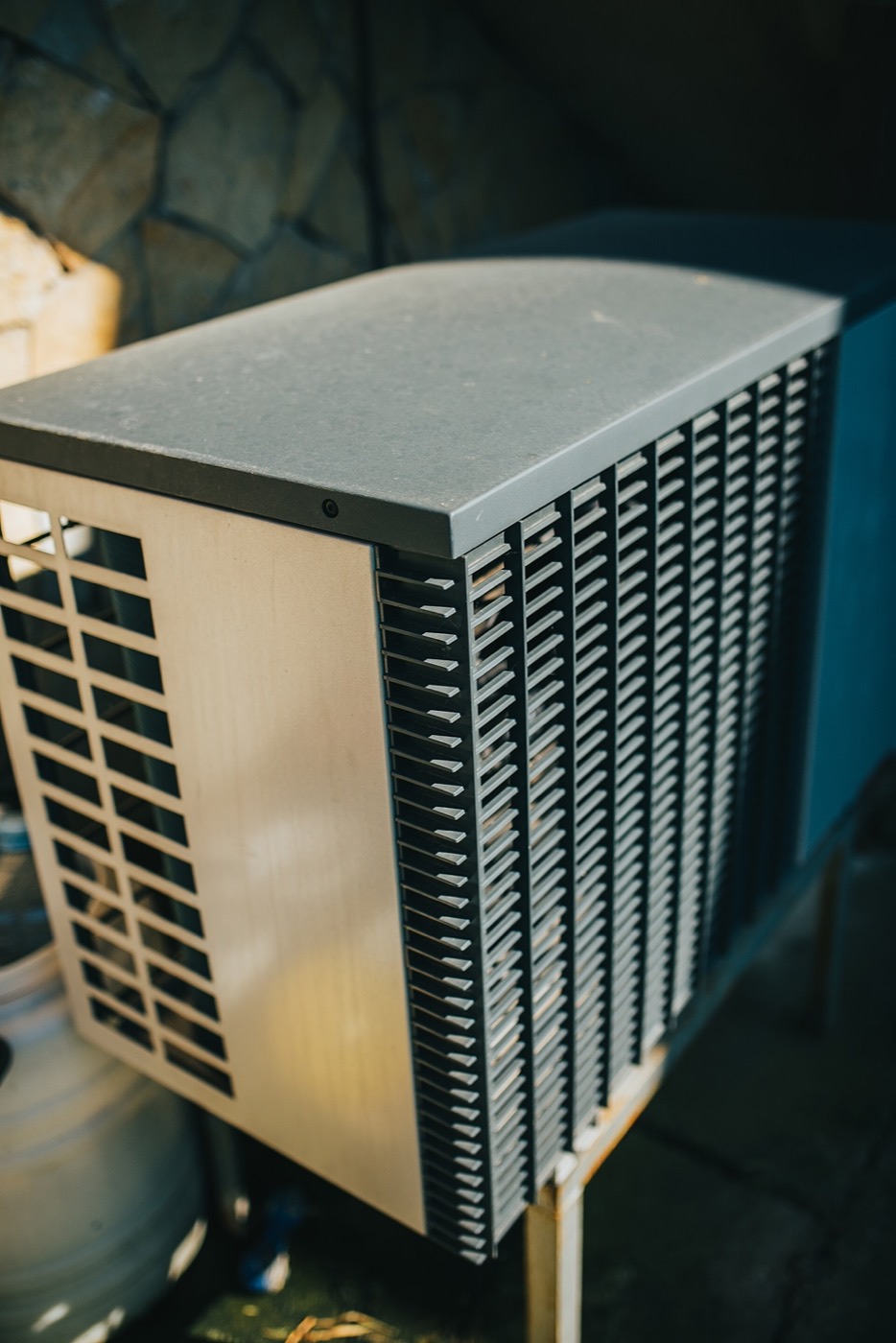
Your outdoor unit contains a compressor and a fan motor. Both need a strong surge of power to start, and steady support to keep running. A capacitor stores electrical energy and releases it to do exactly that.
Most residential systems use one of these setups:
- Dual run capacitor: one component that serves both the compressor and the fan motor. This is very common.
- Separate capacitors: one for the compressor, one for the fan.
- Hard start kit: an added start capacitor that helps an older or struggling compressor get going.
Your indoor blower motor may also have its own capacitor, which is why some blower problems look similar.
Signs your AC capacitor has failed
- Humming with no start: the outdoor unit hums or buzzes, but the fan and compressor don't run.
- Fan not spinning: the compressor may run while the fan sits still.
- Warm air from vents: the indoor blower runs, but the outdoor unit isn't doing its job.
- Slow or delayed start: the system struggles for a few seconds before kicking on.
- Shutting off early: the system starts, then quits before the house is cool.
- Clicking at startup: the unit repeatedly tries and fails to start.
- A swollen capacitor: a technician may find the top of the can bulging or leaking.
If the fan isn't turning, don't leave the system running. Without the fan moving heat away, the compressor can overheat.
Why capacitors fail
Capacitors wear out with time. These conditions speed that up:
- Heat: New Jersey heat waves, when your AC runs for long stretches, are hard on them.
- Age: they are wear items and usually fail well before the rest of the system.
- Power surges: storms and brownouts can damage them.
- Salt air: at the shore, corrosion attacks electrical parts and connections. See salt air and AC corrosion.
- Wrong replacement: a part with the wrong rating can fail early or strain the motor.
Why this isn't a safe DIY repair
Online videos make this look simple, but it carries real risks:
- Stored charge: a capacitor can shock you even after the power is switched off.
- Live wiring nearby: the outdoor disconnect and contactor can carry dangerous voltage.
- Correct rating: the replacement must match the system's microfarad and voltage ratings.
- Misdiagnosis: a contactor, motor, wiring or compressor problem can look the same, so a new capacitor may not fix it.
How a technician diagnoses it
A proper service call checks the whole starting circuit rather than guessing:
- Confirm the thermostat is calling for cooling
- Shut off power and safely discharge the capacitor
- Measure its actual capacity against its rating
- Test the contactor, wiring and connections
- Check the fan motor and compressor
- Check for the reason it failed, such as a weak motor or poor connections
- Replace the part, run the system and confirm it is cooling properly
You get an upfront price before any repair begins.
Capacitor or something bigger?
| What you notice | Common cause |
|---|---|
| Hums, fan and compressor don't start | Capacitor, contactor or a seized motor |
| Fan runs, no cold air | Compressor, its capacitor or low refrigerant |
| Compressor runs, fan doesn't | Fan capacitor or fan motor |
| Nothing happens at all | Thermostat, breaker, disconnect or float switch |
| Breaker trips right away | Electrical fault or failing compressor |
If nothing happens at all, see AC not turning on. If the system runs but doesn't cool, see AC running but not cooling. If you suspect the compressor, see AC compressor not working.
What you can safely check first
- Thermostat set to Cool, below room temperature, with fresh batteries
- Breakers for the indoor and outdoor units not tripped
- Outdoor disconnect switched on
- Filter not clogged
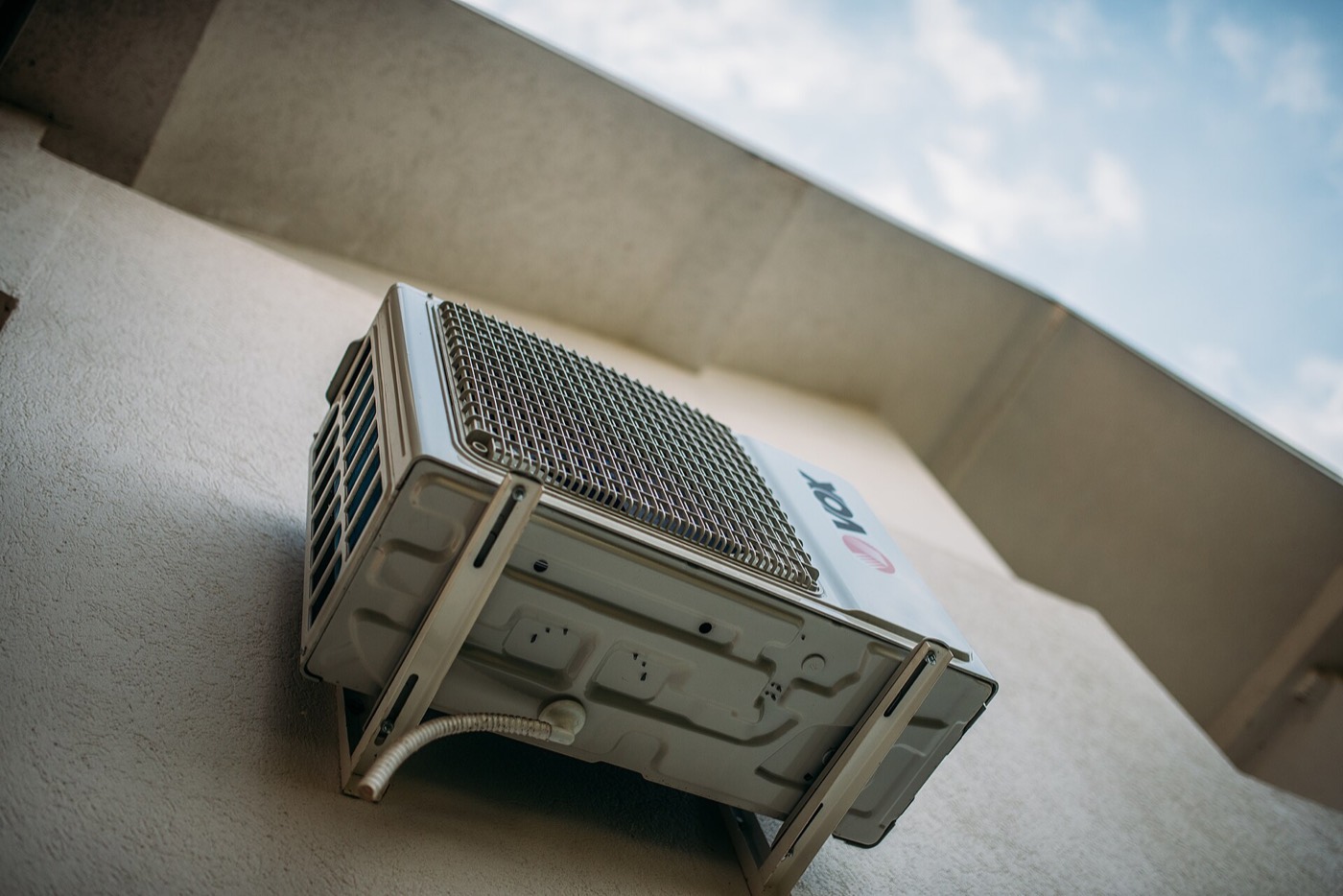
- Debris cleared from around the outdoor unit
If a breaker trips again after one reset, stop and call. Don't keep resetting it.
How to help it last longer
- Spring tune-up: we test capacitors and contactors before the heat arrives. See what happens during an AC tune-up.
- Clean coils: a dirty outdoor coil makes the whole system run hotter and longer.
- Rinse shore units: gently rinse salt off the coil with fresh water.
- Replace filters: restricted airflow makes everything work harder.
- Keep clearance: leave two feet around the outdoor unit.
Repair or replace?
A capacitor alone rarely justifies a new system, even on an older AC. It's worth a wider conversation if the unit is near the end of its life (commonly around 12 to 15 years), needs repeated repairs or uses older R-22 refrigerant. See repair or replace your AC.
What affects the repair price
A capacitor is usually one of the less expensive AC repairs, but the final number depends on what the technician finds:
- The part itself: single, dual run or a separate capacitor for each motor
- Damage it left behind: a burnt contactor, scorched wires or a fan motor that overheated
- A hard start kit: sometimes worth adding for a compressor that strains at startup
- Other findings: low refrigerant or a dirty coil that was causing the strain
- Timing: nights and emergency visits may differ from a regular appointment
You see the price before we start, so there are no surprises. See AC replacement cost factors if a bigger decision comes up.
How local conditions affect capacitors
Where your home sits changes how hard these parts work:
- Barrier islands and bayfront towns: salt air corrodes terminals and connections, so check them every year.
- Inland and Pine Barrens homes: sandy soil, pine needles and pollen can clog the outdoor coil, so the unit runs hotter.
- Dense towns with rooftop or tight side-yard units: poor airflow around the unit traps heat.
- Areas with frequent summer storms: outages and surges can stress electrical parts. Ask whether surge protection makes sense.
What to tell us when you call
A few details help us come prepared and may shorten the visit:
- What you hear at the outdoor unit: humming, clicking or nothing
- Whether the outdoor fan is spinning
- Whether the air from your vents is warm or just weak
- Whether a breaker has tripped
- The approximate age and brand of the system
A quick photo of the outdoor unit's label is also useful.
Same day AC repair in your town
Our licensed team repairs every brand of central air, heat pump and mini-split, with same day service and an upfront price. We serve all 153 towns across Ocean, Monmouth, Burlington and Middlesex counties, including AC repair in Toms River, Brick, Howell and Edison.
Book online in about a minute or call (732) 779-7106. New customers get $50 off their first repair (terms apply).
Frequently asked questions
How do I know if my AC capacitor is bad?
The most common signs are an outdoor unit that hums but does not start, a fan that does not spin, warm air from the vents, and a system that clicks or shuts off soon after starting. A technician confirms it with a meter.
Can I replace an AC capacitor myself?
We do not recommend it. Capacitors can store a dangerous electrical charge even after the power is off, and the replacement must match the correct rating. A licensed technician can test and replace it safely.
Can a bad capacitor damage my AC?
It can. Running a system with a failing capacitor makes the compressor and fan motor struggle to start, which adds heat and stress. Turn the AC off and have it checked rather than repeatedly restarting it.
Why do AC capacitors fail?
Age and heat are the main causes. Long runs in hot weather, power surges and salt air near the shore can all shorten their life.
Do you offer same day AC capacitor repair?
Yes. Prime Comfort Group offers same day AC repair for all brands across Ocean, Monmouth, Burlington and Middlesex counties, with an upfront price before work starts.
AC Repair near you
We provide AC repair in all 153 towns across Ocean, Monmouth, Burlington and Middlesex counties. Find your area:
Monmouth County (all 53 towns)
Too hot? Too cold? Let’s fix that today.
Book online in about a minute or call us for honest advice and an upfront quote. Same day service across Ocean, Monmouth, Burlington and Middlesex counties.
- $50 off your first repair (new customers, terms apply)
- 24/7 emergency line
- Upfront quotes
- No hidden fees
- Licensed & family owned


Install our app
On your iPhone or iPad, in Safari:
- Tap the Share button ↑︎ at the bottom of the screen
- Scroll down and tap Add to Home Screen
- Tap Add. The app appears on your home screen
Using Chrome on iPhone? Tap the share icon in the address bar, then Add to Home Screen.
On your Android phone, in Chrome:
- Tap the menu ⋮ at the top right
- Tap Install app (or Add to Home screen)
- Tap Install. The app appears on your home screen
No app store, no sign-up needed. Book service, track appointments and see your invoices and receipts.