
In this guide
Quick answer: A failing AC compressor usually shows up as warm air from the vents, an outdoor unit that struggles to start, a tripped breaker, or loud clanking or screeching. But many "dead compressors" are really a capacitor, contactor, fan or wiring problem, so get it tested before paying for a major repair. If the compressor has truly failed, its age and refrigerant type usually decide between replacing the part or the system. Turn the AC off and book AC repair.
Hearing "your compressor is gone" is one of the most expensive sentences in home ownership. It's also sometimes wrong. This guide helps you understand the signs, what else could be going on and how to make a sensible decision.
What the compressor does
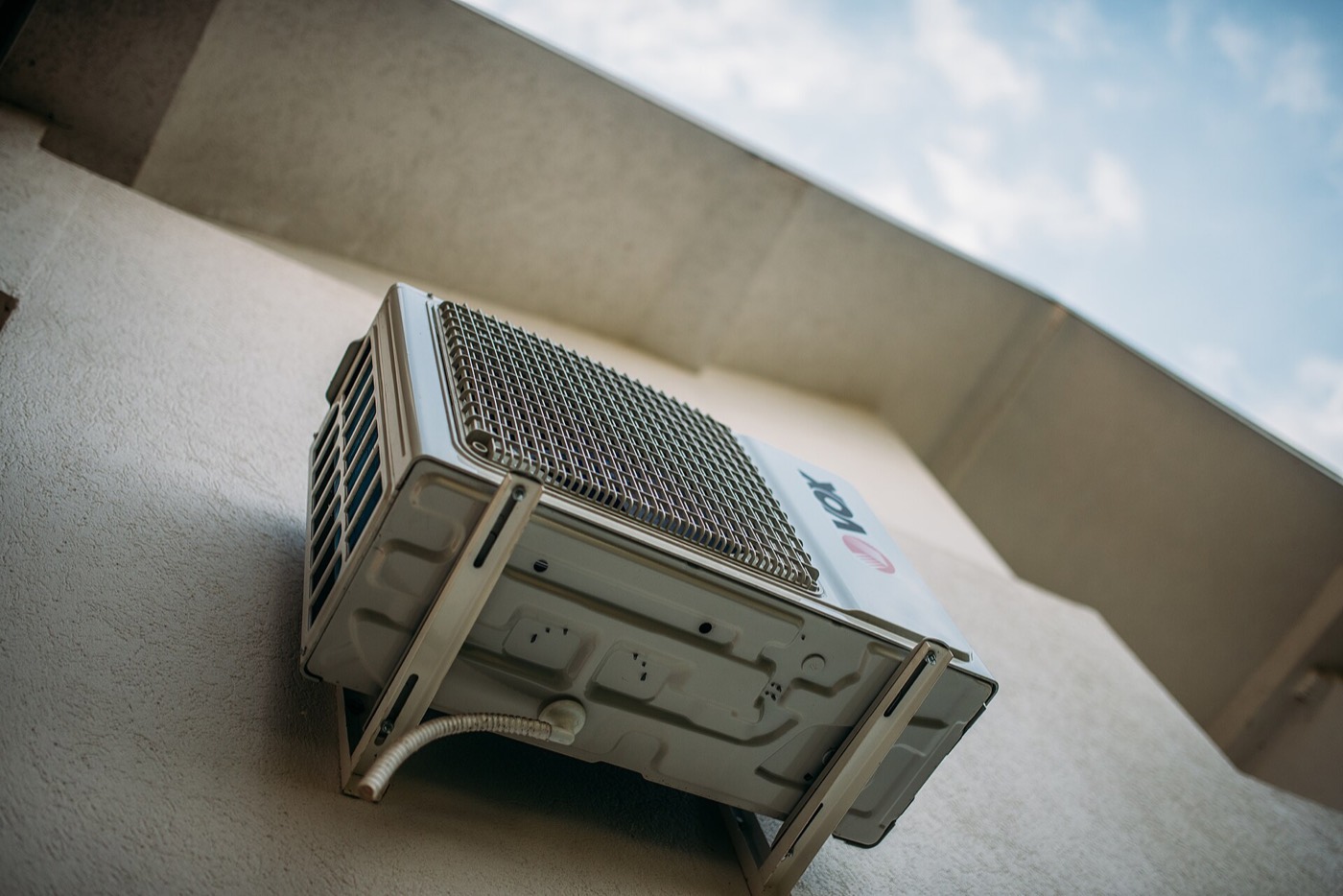
The compressor sits in your outdoor unit and pumps refrigerant through the system. It squeezes refrigerant gas into a hot, high-pressure state so it can release your home's heat outside. Without it, the fan may still run and air may still blow, but nothing gets cooled.
Signs of a compressor problem
- Warm air indoors while the blower runs
- Outdoor fan running, compressor silent
- Hard starts: the unit strains, dims lights or shudders
- Tripping breakers, sometimes right away
- Loud noises: clanking, banging, screeching or rattling from the outdoor unit
- Humming, then a click as it shuts off on overload
- Short cycling: turning on and off rapidly (see short cycling)
- Reduced cooling that gets worse over time
- An outdoor unit vibrating more than usual at startup
See AC and furnace noises for what those sounds usually mean.
What else it could be
These problems can look exactly like a bad compressor but cost far less to fix:
| Part | How it mimics a dead compressor |
|---|---|
| Capacitor | Humming with no start; see capacitor replacement |
| Contactor | Outdoor unit gets no power or chatters |
| Fan motor | Compressor overheats and shuts off |
| Dirty coil | High pressure trips the overload |
| Low refrigerant | Weak cooling; low-pressure safety trips |
| Wiring | Burnt or chewed wires stop power reaching it |
| Thermostat | System never gets the signal to cool |
A compressor that's hot can also shut itself off on its internal overload and refuse to restart until it cools, which can take a while. That doesn't necessarily mean it's dead.
Why compressors fail
Compressors usually fail because something else went wrong first:
- Dirty outdoor coil: heat can't escape, so pressure and temperature climb
- Refrigerant leak: too little refrigerant means poor cooling of the motor
- Too much refrigerant or a restriction in the system
- Electrical problems: weak capacitors, burnt contactors or voltage issues
- Failed fan motor: the outdoor unit overheats
- Acid or contamination in the system after an earlier failure
- Age: central air conditioners commonly last about 12 to 15 years
- Salt air at the shore corroding parts (see salt air corrosion)
If the underlying cause isn't fixed, a new compressor may suffer the same fate.
How a real diagnosis works
Before anyone recommends a compressor, they should be able to show you the test results:
- Check power, the capacitor and the contactor
- Measure the compressor's electrical windings and its current draw
- Check for a short to ground
- Measure refrigerant pressures and temperatures
- Check the fan and coil
- Look for the reason it failed
Ask to see or hear the readings. A trustworthy technician won't mind. If a quote feels wrong, a second opinion is reasonable for a repair this size.
Repair the compressor or replace the system?
| Your situation | Usually better |
|---|---|
| Under about 8 years old, with parts warranty | Replace the compressor |
| 8 to 12 years old | Compare both quotes |
| 12 years or older | Replace the system |
| Uses R-22 refrigerant | Replace the system |
| Repeated repairs or comfort problems | Replace the system |
| Moving soon | Compare cost and what buyers will expect |
These are guides, not rules. Check your warranty paperwork, since a parts warranty can change the math and often has registration conditions. See HVAC refrigerants, repair or replace your AC and AC replacement cost factors.
What to do right now
- Turn the system off at the thermostat so it doesn't keep straining.
- Check the filter and replace it if it's dirty.
- Check the outdoor unit for debris and clear it.
- Check breakers and reset a tripped one once only.
- If it trips again, stop. Repeated resets can destroy a compressor that might have been saved.
- Note what you heard and saw, then call.
Do not open the electrical panel on the outdoor unit. Capacitors can hold a charge even with the power off.
How to protect your compressor
- Yearly spring tune-up that tests electrical parts and pressures
- Clean coils and clear plants away from the outdoor unit
- Change filters regularly
- Fix refrigerant leaks rather than just topping up
- Consider surge protection if your area gets storms and outages
- Rinse the coil at shore homes
See what happens during an AC tune-up. The Prime Comfort Club includes one heating and one AC tune-up a year for $19/month (terms apply).
Thinking ahead in the off-season
A failed compressor in November isn't an emergency, which gives you time to compare quotes and schedule at your convenience. See the best time to replace your AC.
What affects the cost
Compressor quotes vary more than most homeowners expect. These items make the difference:
- Parts warranty status and whether the system was registered
- Refrigerant type and amount: recovering and replacing refrigerant is part of the job
- Contamination: a burnt-out compressor may require extra cleanup, such as new filter driers
- Access: rooftop, tight or raised units take longer
- Size of the system
- Matching: when replacing the system, whether the indoor coil is replaced too
Ask for an itemized, upfront price for both the repair and the replacement. Comparing them side by side usually makes the decision clear.
Questions to ask before you approve the work
- How did you confirm the compressor has failed?
- What caused it, and will that be fixed too?
- Is the part still under warranty? Who pays the labor?
- What refrigerant does my system use, and how available is it?
- If I replace only the compressor, what else on this system is likely to fail soon?
- What would a full replacement include?
A clear answer to each of these helps you avoid replacing a compressor and then paying for a new system a year later. If the technician can't explain their reasoning, ask for more detail.
Why a mismatched repair can backfire
Modern systems are designed so the outdoor unit, indoor coil and refrigerant work together. Replacing only part of an older system can leave you with an efficiency mismatch or a refrigerant issue later. That's why your technician should explain how any repair fits with the rest of the equipment, not just the part in front of them.
AC repair and replacement near you
We repair and replace every brand of central air across all 153 towns we serve in Ocean, Monmouth, Burlington and Middlesex counties, including Brick, Freehold Township, East Brunswick and Moorestown. You get real test results and an upfront price for each option.
Book online or call (732) 779-7106 for an honest diagnosis. New customers save $50 on their first repair, or $500 on a new system (terms apply; offers cannot be combined).
Frequently asked questions
How do I know if my AC compressor is bad?
Common signs are warm air from the vents, an outdoor unit that struggles or fails to start, a breaker that trips, loud clanking or screeching and a fan that runs while the compressor stays silent. A technician needs to test it to be sure.
Can an AC compressor be repaired?
The sealed compressor itself is normally replaced rather than repaired. However, the parts that help it run, such as capacitors, contactors and start kits, can be replaced, and those are common causes of a compressor that will not start.
Is it worth replacing an AC compressor?
It can be on a newer system, especially if a parts warranty applies. On an older system, particularly one using R-22 refrigerant, replacing the whole system is usually better value.
What causes an AC compressor to fail?
Common causes are dirty coils, low refrigerant from a leak, overheating, electrical problems, a failing fan, and simple old age. Regular maintenance prevents many of them.
Do you offer same day AC repair and replacement?
Yes. We offer same day AC repair and next day installs across Ocean, Monmouth, Burlington and Middlesex counties, with upfront pricing for both options.
AC Repair near you
We provide AC repair in all 153 towns across Ocean, Monmouth, Burlington and Middlesex counties. Find your area:
Monmouth County (all 53 towns)
Too hot? Too cold? Let’s fix that today.
Book online in about a minute or call us for honest advice and an upfront quote. Same day service across Ocean, Monmouth, Burlington and Middlesex counties.
- $50 off your first repair (new customers, terms apply)
- 24/7 emergency line
- Upfront quotes
- No hidden fees
- Licensed & family owned


Install our app
On your iPhone or iPad, in Safari:
- Tap the Share button ↑︎ at the bottom of the screen
- Scroll down and tap Add to Home Screen
- Tap Add. The app appears on your home screen
Using Chrome on iPhone? Tap the share icon in the address bar, then Add to Home Screen.
On your Android phone, in Chrome:
- Tap the menu ⋮ at the top right
- Tap Install app (or Add to Home screen)
- Tap Install. The app appears on your home screen
No app store, no sign-up needed. Book service, track appointments and see your invoices and receipts.