
In this guide
Quick answer: A home AC doesn't use up refrigerant, so a low charge nearly always means a leak. Common signs are weak cooling, long run times, ice on the coil or copper lines, a hissing sound and higher electric bills. Topping it up without finding the leak is only a temporary fix. A technician should test the system, find the leak, and help you decide between repair and replacement, especially on an older R-22 system. Turn off a frozen system and book AC repair.
Many people still say an AC "needs more Freon," as if it were gas in a car. In fact, refrigerant circulates in a sealed loop. If some is missing, it went somewhere. Here's how to spot a leak and what to do about it.
How refrigerant works
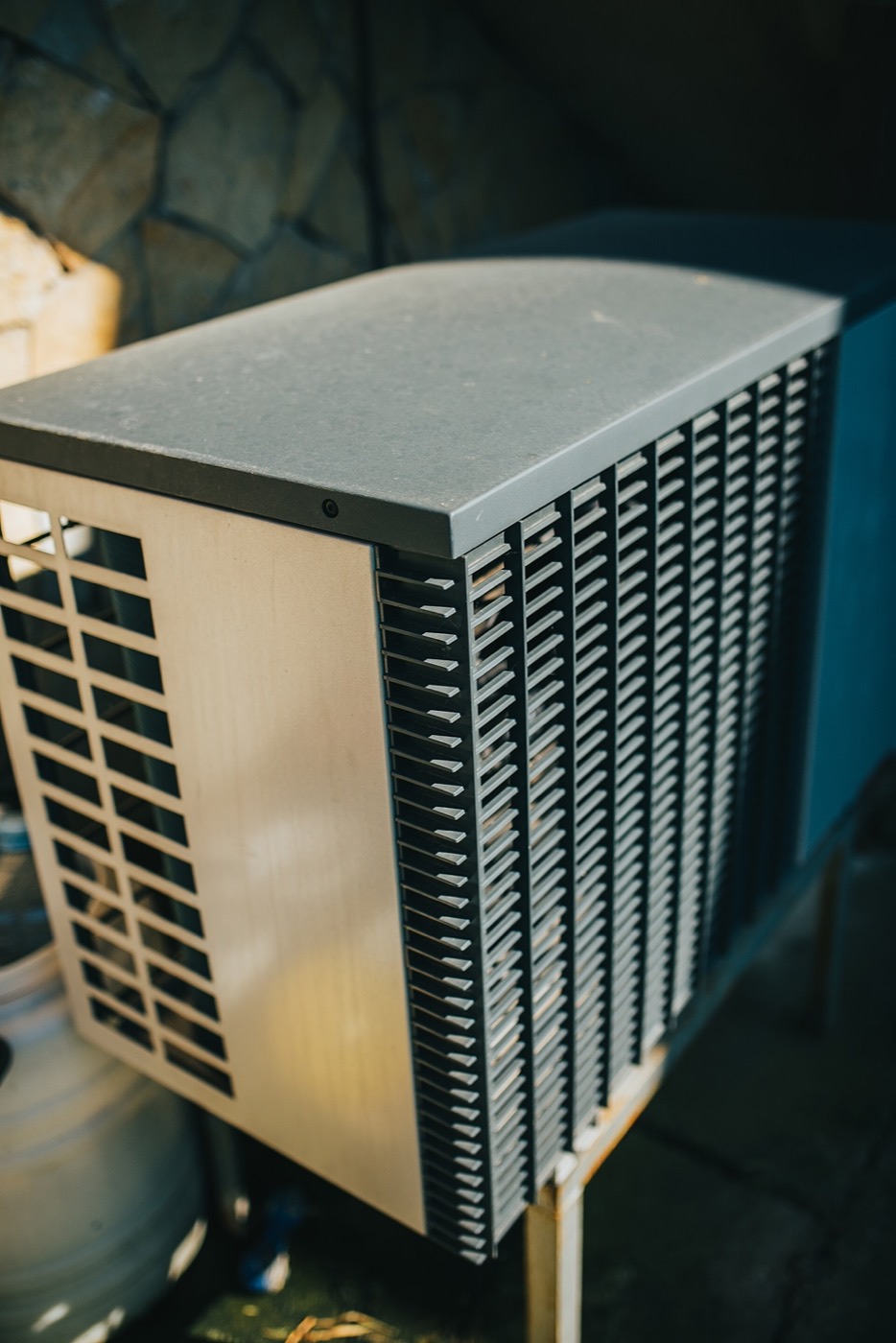
Refrigerant carries heat from inside your home to the outdoor unit. It absorbs heat at the indoor coil, travels through copper lines, releases that heat at the outdoor coil and comes back to do it again. The system depends on having the right amount. Too little or too much hurts performance, so the charge must be correct.
Signs of a refrigerant leak
- Weak cooling: the air is cool, but not cold, or the house never reaches the set temperature
- Very long run times: the AC runs and runs on mild days
- Ice on the indoor coil or copper line: low pressure can make the coil freezing cold. See why your AC is freezing up.
- Hissing or bubbling near the indoor unit, the lines or the outdoor unit
- Water around the indoor unit as ice melts
- Oily residue on copper joints or the coil
- Higher electric bills with no change in use
- Higher indoor humidity because the coil isn't working correctly
- Short cycling as safety controls shut the system off
Other problems can look similar. A dirty filter or coil, a bad fan motor or a failing compressor can produce the same symptoms, which is why testing matters. See AC running but not cooling.
What to do right now
- Turn the system off if you see ice or if the house isn't cooling.
- Run only the fan for a while to help thaw ice, if the system allows it.
- Check the filter and replace it if it's dirty.
- Watch for water as the ice melts, and protect floors and ceilings.
- Call for service. Keep notes on what you noticed and when.
Don't try to add refrigerant yourself. In the U.S., handling refrigerants requires EPA certification. Don't chip ice off the coil, since you could easily damage it.
If you notice a strong chemical odor or anyone feels unwell, turn the system off, open windows and get fresh air. Call 911 if anyone is having trouble breathing.
Where leaks usually happen
| Location | Why it leaks |
|---|---|
| Indoor evaporator coil | Corrosion from chemicals and moisture; tiny pinholes |
| Outdoor condenser coil | Salt air, debris, damage from lawn equipment |
| Brazed joints and fittings | Vibration or a poor earlier repair |
| Service valves | Worn caps and seals |
| Copper line set | Rubbing, kinks or nail damage in a wall |
| Flare fittings on mini-splits | Vibration or poor installation |
Shore homes are especially exposed to coil corrosion. See salt air and AC corrosion.
How a technician finds a leak
A proper visit goes further than connecting gauges and adding refrigerant:
- Measure pressures, superheat and subcooling
- Check airflow first, since low airflow can mimic a low charge
- Inspect joints, valves and coils for oil residue
- Use an electronic leak detector, bubble solution or dye where appropriate
- Pressure test with nitrogen when needed
- Explain what's leaking, along with your options
- Give you an upfront price before starting the repair
Some leaks are hard to find, especially tiny ones inside a coil. An honest technician will tell you when a leak can't be located economically.
Why topping up isn't a repair
Adding refrigerant without fixing the leak has real downsides:
- You'll pay again: the charge will keep dropping
- Compressor stress: low charge can overheat the compressor over time
- Moisture and air: a big leak can let contaminants into the system
- Environmental harm: refrigerants are regulated for good reason
- Wasted money: especially on R-22, which is costly and hard to find
A top-up can be a reasonable stopgap in specific situations, for example to get through a heat wave while a replacement is scheduled. Ask your technician to explain the plan and put it in writing.
Repair the leak or replace the system?
| Your situation | Usually better |
|---|---|
| Accessible leak, newer system | Repair and recharge |
| Coil leak, parts warranty still valid | Replace the coil; check labor costs |
| Coil leak on a system 12 or more years old | Compare both prices; lean toward replacing |
| R-22 system with any significant leak | Replace the system |
| Repeated leaks | Replace the coil or the system |
| New R-410A or R-454B system | Repair if at all possible |
See HVAC refrigerants explained, repair or replace your AC and replace the outdoor unit only or the whole system.
What affects the cost
- Where the leak is, and how long it takes to find
- Refrigerant type and amount
- Whether a coil needs replacing, and any parts warranty
- Access: attics, closets and tight spaces take longer
- Whether a filter drier, valve or other parts are needed
- Timing: emergency visits may differ from regular appointments
See what really changes AC repair prices.
How to prevent leaks
- Book a yearly tune-up to catch oil stains and low readings early. See what happens during an AC tune-up.
- Rinse outdoor coils gently, especially near salt water.
- Protect the outdoor unit and lines from mowers, trimmers and pets.
- Keep the coil clean and change your filter regularly.
- Keep the outdoor unit level and stable to reduce vibration.
- Avoid harsh chemicals near the indoor coil, because some household products can contribute to corrosion.
When a leak turns into an emergency
Most leaks aren't emergencies, but a failed AC during a heat wave can be serious for infants, older adults and anyone with health concerns. If that's your situation, call right away. Move everyone to the coolest room, draw the blinds and drink water. Our 24/7 emergency service covers all four counties.
Common myths about refrigerant
- "My AC needs a yearly top-up." It doesn't. A correctly charged, leak-free system should keep its refrigerant.
- "Ice means it's working extra hard." Ice is a warning sign of low airflow or low charge. Turn the system off.
- "More refrigerant means colder air." Overcharging can hurt cooling and damage the compressor.
- "A store-bought can will do." Handling refrigerant requires certification, and DIY sealants can clog parts of the system.
If someone suggests adding refrigerant every year, ask them to find the leak instead. It's the only lasting fix.
Why homeowners choose us
We're family-owned and veteran-owned, and our own licensed team does the work, never subcontractors. You get same day service, a 24/7 emergency line, upfront pricing with no hidden fees, and service on every brand.
AC leak detection and repair near you
Our own licensed team diagnoses and repairs refrigerant leaks on every brand across all 153 towns in Ocean, Monmouth, Burlington and Middlesex counties, including Lakewood, Manalapan, Old Bridge and Medford.
Book online or call (732) 779-7106 for same day AC repair. New customers save $50 on their first repair (terms apply).
Frequently asked questions
How do I know if my AC has a refrigerant leak?
Common signs include weak cooling, long run times, ice on the indoor coil or copper lines, a hissing or bubbling sound, and rising electric bills. A technician confirms it with pressure and temperature readings and leak testing.
Can I just add more refrigerant to my AC?
Adding refrigerant without finding the leak is only temporary, and overcharging can also damage a system. The better approach is to find the leak, then decide whether repair or replacement makes sense.
Is an AC refrigerant leak dangerous?
In a typical home, small leaks mostly harm the system and the environment. If you notice a strong chemical odor, feel unwell or suspect a large leak, turn the system off, ventilate the home and call for service. Call 911 if anyone is having trouble breathing.
How long does it take to fix a refrigerant leak?
It depends on where the leak is. A leak at an accessible fitting may be quick, while a coil replacement takes longer. We give you the options and an upfront price before starting.
Should I repair a leak in an R-22 system?
R-22 has been phased out, so it can be costly and hard to find. On most older R-22 systems, replacing the system is usually the better long-term value.
AC Repair near you
We provide AC repair in all 153 towns across Ocean, Monmouth, Burlington and Middlesex counties. Find your area:
Monmouth County (all 53 towns)

Too hot? Too cold? Let’s fix that today.
Book online in about a minute or call us for honest advice and an upfront quote. Same day service across Ocean, Monmouth, Burlington and Middlesex counties.
- $50 off your first repair (new customers, terms apply)
- 24/7 emergency line
- Upfront quotes
- No hidden fees
- Licensed & family owned


Install our app
On your iPhone or iPad, in Safari:
- Tap the Share button ↑︎ at the bottom of the screen
- Scroll down and tap Add to Home Screen
- Tap Add. The app appears on your home screen
Using Chrome on iPhone? Tap the share icon in the address bar, then Add to Home Screen.
On your Android phone, in Chrome:
- Tap the menu ⋮ at the top right
- Tap Install app (or Add to Home screen)
- Tap Install. The app appears on your home screen
No app store, no sign-up needed. Book service, track appointments and see your invoices and receipts.