
In this guide
Quick answer: When the heat goes out in freezing weather, call for emergency heating service first. While you wait, open cabinet doors under sinks on exterior walls, let those faucets drip, keep interior doors open, and close off unused rooms. Never heat your home with an oven, grill, generator or unvented fuel heater; carbon monoxide can kill. If a pipe freezes, thaw it gently with warm air, never an open flame, and if one bursts, shut off the main water valve.
A heating failure on a frigid night is more than uncomfortable. Pipes can freeze and burst, causing serious water damage, and people turn to unsafe ways of staying warm. Here's how to protect your home and family until your heat is back, whether you're in an inland town like Lakehurst, Millstone or New Hanover or anywhere else we serve.
Step 1: Call for help and do the quick checks
Before you call, take two minutes to rule out simple causes:
- Thermostat set to Heat with fresh batteries
- Furnace or boiler service switch on, breaker not tripped
- Furnace filter not completely clogged
- For gas heat: gas supply on (other gas appliances working)
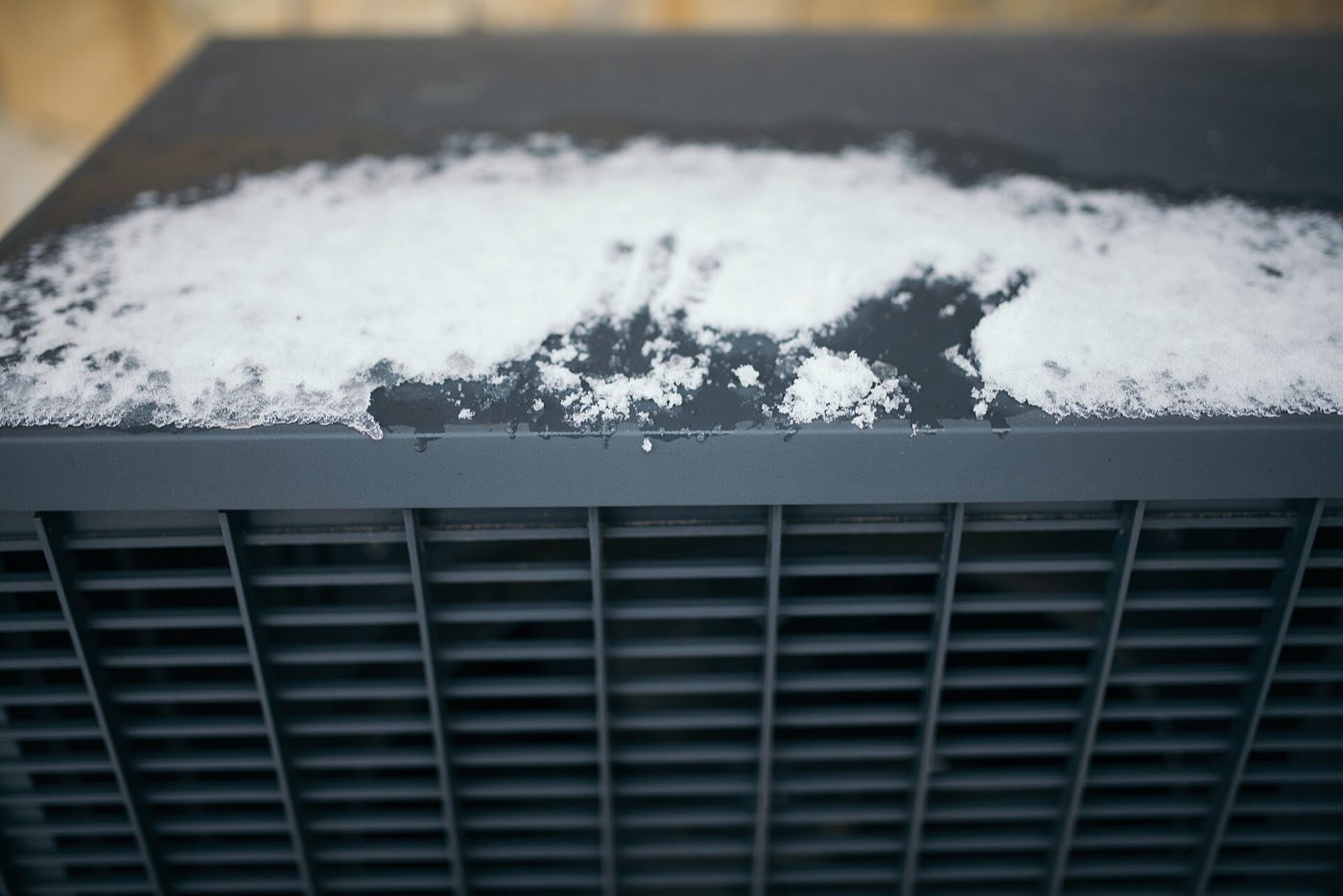
- For heat pumps: outdoor unit not buried in snow or ice
See furnace not working: a checklist, boiler not heating and heat pump not heating. If none of those fix it, call us any time; we answer 24/7.
If you smell gas, leave the house immediately and call 911 or your gas utility from outside.
Step 2: Protect your pipes
Pipes most at risk are in exterior walls, crawl spaces, unheated garages, basements with little insulation and under kitchen and bathroom sinks on outside walls.
- Open cabinet doors under sinks so warmer room air reaches the pipes.
- Let faucets drip (both hot and cold) on exterior walls. Moving water is less likely to freeze, and a dripping faucet relieves pressure if ice forms.
- Keep interior doors open so heat from any safe source spreads.
- Close garage doors if pipes run through the garage.
- Don't turn off the water heater; it keeps some water warm.
- Know where your main water shutoff is before you need it.
Step 3: Stay warm safely
- Dress in layers, use blankets and gather in one room.
- Close off unused rooms and keep curtains closed at night.
- Electric space heaters can help if used carefully: keep them three feet from anything flammable, plug them directly into a wall outlet (not an extension cord), and never leave them running while you sleep or leave the room.
- Never use a gas oven or stove, charcoal or gas grill, camping heater, or generator indoors or in a garage to heat your home. These produce carbon monoxide.
- Make sure carbon monoxide alarms work. See carbon monoxide safety.
- Check on vulnerable people: older relatives, infants and anyone with health conditions may need to go somewhere warm.
If a pipe has frozen
Signs: a faucet produces only a trickle or nothing, or you see frost on a pipe.
- Keep the faucet open so water can flow as the ice melts.
- Apply gentle heat: a hair dryer, warm towels or an electric space heater aimed at the pipe from a safe distance.
- Never use an open flame, torch or propane heater on pipes.
- Work from the faucet back toward the frozen section.
- If you can't reach it or it won't thaw, call a plumber.
If a pipe bursts
- Shut off the main water valve right away.
- Turn off electricity to areas where water is near outlets or appliances, if you can do so safely.
- Call a plumber to repair the pipe.
- Document damage with photos for your insurance company.
- Call us to restore heat and check whether water reached the furnace, boiler or ductwork.
Preventing it next winter
- Schedule a fall heating tune-up to catch problems before the cold arrives. See the seasonal maintenance checklist.
- Insulate exposed pipes in crawl spaces, garages and exterior walls.
- Seal air leaks near pipes.
- Consider a smart thermostat that alerts you if the temperature drops, especially for second homes.
- Keep second homes heated to a safe minimum in winter.
- Join the Prime Comfort Club for yearly tune-ups and priority scheduling.
Extra precautions for second homes and vacant houses
If you own a shore house or a home that sits empty in winter, a heating failure can go unnoticed for days. Keep the heat set to a safe minimum, consider a smart thermostat or temperature sensor that sends alerts, have someone check the property regularly, and know where the main water shutoff is. Some owners drain the plumbing for winter; if you do, have it done properly.
Keep a winter emergency kit
Before the cold season, put together a few basics: flashlights, extra blankets, a battery-powered radio, fresh batteries for thermostats and CO alarms, a list of emergency numbers and the location of your water and gas shutoffs. When the heat goes out on a cold night, being prepared keeps everyone calmer and safer.
24/7 emergency heating service
We repair furnaces, boilers and heat pumps around the clock across Ocean, Monmouth, Burlington and Middlesex counties, including emergency service in Lakehurst, New Hanover and South Plainfield. Call us any time. Read more in what to do in an HVAC emergency.
Frequently asked questions
How long does it take for pipes to freeze without heat?
It depends on outdoor temperature, insulation and where the pipes run. Pipes in exterior walls, crawl spaces and unheated areas can freeze within hours in very cold weather.
Should I let faucets drip when the heat is out?
Yes. A slow drip from faucets on exterior walls keeps water moving and relieves pressure, which helps prevent pipes from bursting.
Is it safe to use a space heater?
Electric space heaters can be used carefully: keep them away from anything flammable, plug them directly into the wall and never leave them unattended. Never use fuel-burning heaters, grills or ovens to heat a home.
What should I do if a pipe bursts?
Shut off the main water valve immediately, turn off electricity to affected areas if water is near outlets or appliances, and call a plumber. Then call us to restore heat.
Do you offer 24/7 emergency heating repair?
Yes. Prime Comfort Group provides 24/7 emergency heating service across Ocean, Monmouth, Burlington and Middlesex counties.
Too hot? Too cold? Let’s fix that today.
Message us on WhatsApp and our team will get back to you with honest advice and an upfront quote. Same day service across Ocean, Monmouth, Burlington and Middlesex counties.
- Upfront quotes
- No hidden fees
- Licensed & family owned


Install our app
On your iPhone or iPad, in Safari:
- Tap the Share button ↑︎ at the bottom of the screen
- Scroll down and tap Add to Home Screen
- Tap Add. The app appears on your home screen
Using Chrome on iPhone? Tap the share icon in the address bar, then Add to Home Screen.
On your Android phone, in Chrome:
- Tap the menu ⋮ at the top right
- Tap Install app (or Add to Home screen)
- Tap Install. The app appears on your home screen
No app store, no sign-up needed. Book service, track appointments and see your invoices and receipts.