
In this guide
Quick answer: If your boiler is running but the house stays cold, check the thermostat, the boiler's power switch, the gas supply and the pressure gauge first. Low pressure, air in the pipes, a failed circulator pump or a stuck zone valve are the most common causes. If the boiler locks out repeatedly, leaks, or you smell gas, stop and call a licensed technician for boiler repair.
Hot-water and steam boilers are still the heart of thousands of New Jersey homes, especially older houses in towns like New Brunswick, Asbury Park, Perth Amboy and Burlington City. When a boiler quits on a cold night, the whole house cools down fast. Here are the safe checks to make before you call, and the signs that mean you should call right away.
Safety first
If you smell gas (a rotten-egg smell), leave the house immediately and call 911 or your gas utility from outside. Don't flip light switches or use phones inside. If your carbon monoxide alarm sounds, get everyone outside and call 911. Read more in our guide to carbon monoxide safety.
1. Check the thermostat
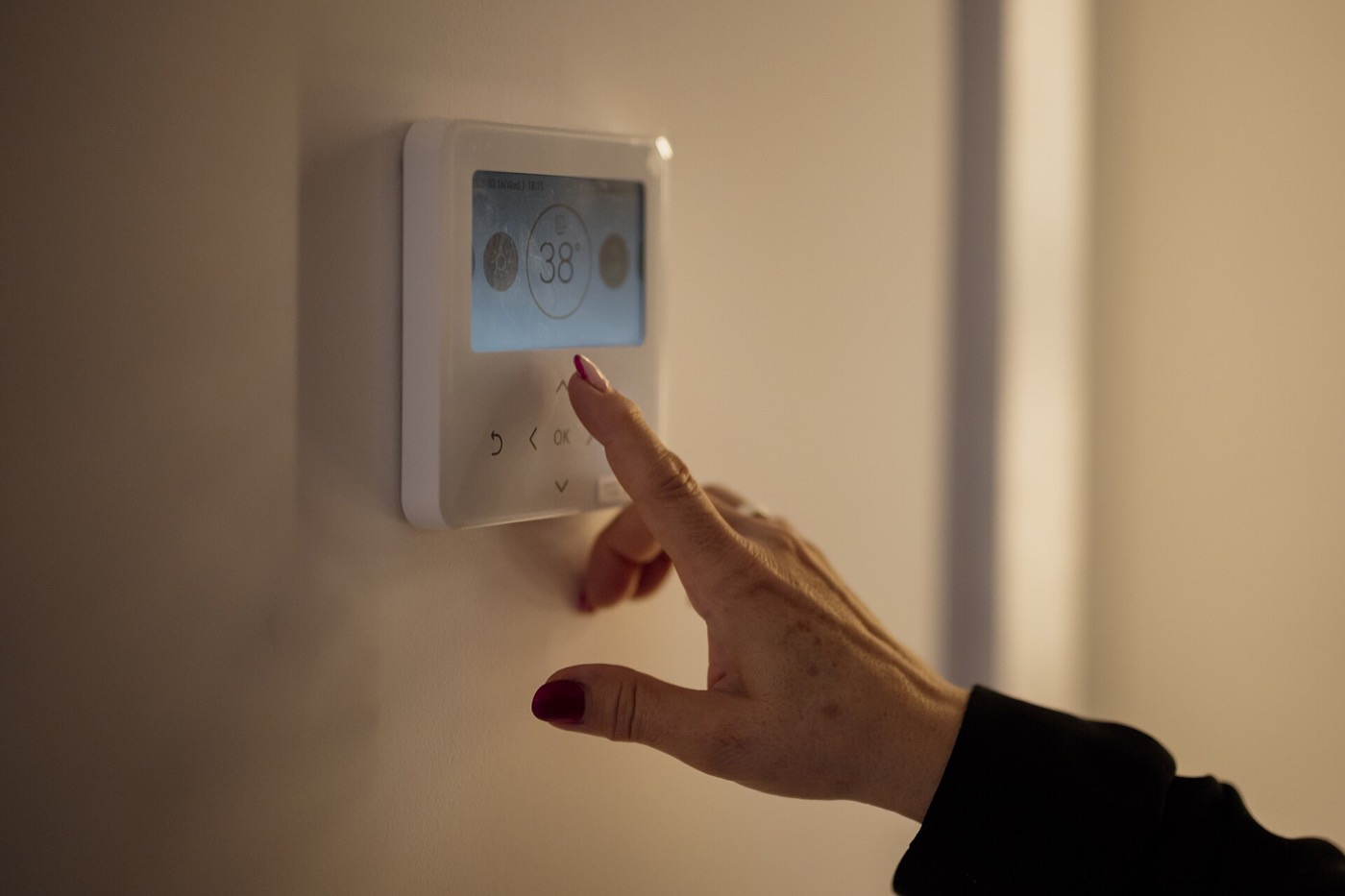
It sounds obvious, but a thermostat set to "Cool" or "Off," a dead battery, or a schedule that dropped the temperature can all look like a broken boiler. Set it to Heat and a few degrees above room temperature, and replace the batteries if the display is blank.
2. Check the power switch and breaker
Most boilers have a service switch that looks like a light switch, often at the top of the basement stairs or on the boiler itself. It's easy to bump by mistake. Make sure it's on, and check the breaker panel for a tripped breaker.
3. Make sure the gas is on
If other gas appliances (stove, water heater) aren't working either, the problem may be the gas supply. If only the boiler is affected, check that the gas valve near the boiler is open (handle in line with the pipe). Don't attempt to relight a boiler if you're not sure how; modern boilers use electronic ignition and should restart on their own.
4. Read the pressure gauge
Hot-water boilers have a gauge that shows system pressure. Many homes run around 12 to 15 psi when the system is cold. If the needle is near zero, the system may be low on water, which can stop the boiler or keep upstairs radiators cold. If it's very high, near the relief valve setting, the expansion tank or fill valve may have a problem. Either way, call a technician; adjusting pressure incorrectly can cause leaks or damage.
5. Bleed air from radiators
Air trapped in a hot-water system collects at the highest points and keeps radiators from heating fully. If a radiator is warm at the bottom and cold at the top, or you hear gurgling, air is a likely culprit. Radiators usually have a small bleed valve you can open with a radiator key until water appears. Do this with the system off and cool, and keep a cloth handy. If many radiators need bleeding often, there may be a leak or a failing air separator.
6. Listen for the circulator pump
In a hot-water system, the circulator pump pushes heated water through the pipes. If the boiler fires and gets hot but radiators stay cold, the pump may have failed or seized. You may hear a hum without the usual flow sound. Circulator replacement is a common repair, but it involves draining and electrical work, so leave it to a pro.
7. Check zone valves and individual thermostats
Many homes have more than one heating zone, each with its own thermostat and zone valve. If only one area is cold, the problem is likely that zone's thermostat, valve or wiring, not the boiler itself.
8. Look for error codes
High-efficiency condensing boilers and combi boilers display error codes when something goes wrong. Write down the code and look it up in the owner's manual. Codes often point to ignition, flame, pressure or condensate drain problems. A blocked condensate drain is a common cause of lockouts on condensing boilers in winter.
9. Don't keep pressing reset
Pressing reset once after a power outage is reasonable. If the boiler locks out again, stop. Repeated resets can flood the combustion chamber with unburned fuel or hide a safety issue like a blocked flue. That's the point to call for service.
Signs you need a technician right away
- The boiler locks out repeatedly or won't ignite
- Water is leaking from the boiler, pipes or relief valve
- The pressure is near zero or near the relief valve rating
- You hear banging, kettling (a rumbling, boiling sound) or loud clanking
- The flame is yellow or lazy instead of steady blue
- Any smell of gas or exhaust, or soot around the boiler
Repair or replace?
A boiler that has been well maintained can last a long time, and many problems are fixable: circulators, zone valves, igniters, expansion tanks and controls are all replaceable parts. Replacement makes more sense when the heat exchanger is cracked or leaking, repairs are becoming frequent, or the boiler is very old and inefficient. A modern high-efficiency boiler or a tankless combi boiler can lower fuel use and free up space. Compare options in our guide to boiler vs. furnace.
Keep it running with annual service
Most boiler breakdowns we see start as small problems a yearly tune-up would have caught: a weak circulator, a dirty burner, a clogged condensate trap or low pressure. See what's included in a boiler maintenance visit, or join the Prime Comfort Club for yearly tune-ups and 10% off repairs.
Boiler repair near you
We repair and replace gas boilers and combi boilers across Ocean, Monmouth, Burlington and Middlesex counties, from Toms River to Edison and Bordentown City. Book online, call, or message us for an upfront price before any work begins.
Frequently asked questions
Why is my boiler on but the radiators are cold?
Common causes are low water pressure, air trapped in the system, a failed circulator pump, a stuck zone valve or a thermostat problem. Check the pressure gauge and thermostat first, then call for service if the radiators stay cold.
What pressure should my boiler be at?
Most residential hot-water boilers run around 12 to 15 psi when cold and somewhat higher when hot, but the right number depends on your home. If the gauge reads near zero or near the relief valve rating (often 30 psi), call a technician.
Is it safe to reset my boiler?
Pressing reset once after a power outage is usually fine. If the boiler locks out again, stop. Repeated resets can flood the combustion chamber or hide a dangerous problem, so call a licensed technician.
How long do boilers last?
Many cast-iron boilers last 20 years or more with regular service, while high-efficiency condensing boilers typically last around 15 to 20 years. Annual maintenance is the biggest factor.
Do you repair boilers in my town?
Prime Comfort Group repairs and installs gas boilers and combi boilers across Ocean, Monmouth, Burlington and Middlesex counties, with same day service and an upfront price before any work begins.
Too hot? Too cold? Let’s fix that today.
Message us on WhatsApp and our team will get back to you with honest advice and an upfront quote. Same day service across Ocean, Monmouth, Burlington and Middlesex counties.
- Upfront quotes
- No hidden fees
- Licensed & family owned


Install our app
On your iPhone or iPad, in Safari:
- Tap the Share button ↑︎ at the bottom of the screen
- Scroll down and tap Add to Home Screen
- Tap Add. The app appears on your home screen
Using Chrome on iPhone? Tap the share icon in the address bar, then Add to Home Screen.
On your Android phone, in Chrome:
- Tap the menu ⋮ at the top right
- Tap Install app (or Add to Home screen)
- Tap Install. The app appears on your home screen
No app store, no sign-up needed. Book service, track appointments and see your invoices and receipts.