

In this guide
Quick answer: If your older home has radiators and no ductwork, you can still get air conditioning. The three main options are ductless mini-splits (wall-mounted units in each room, no ducts), high-velocity systems (small flexible ducts that snake through walls and ceilings), and an attic air handler with new ducts serving the upper floor. The right choice depends on the house layout, how many rooms you want cooled, and how much disruption you're willing to accept.
Older homes have character that newer homes can't match: plaster walls, original trim, radiators and solid construction. What they often lack is ductwork for central air. That's true in historic towns like Spring Lake, Riverton, Allentown, Cranbury, Moorestown and many more.
Option 1: Ductless mini-splits
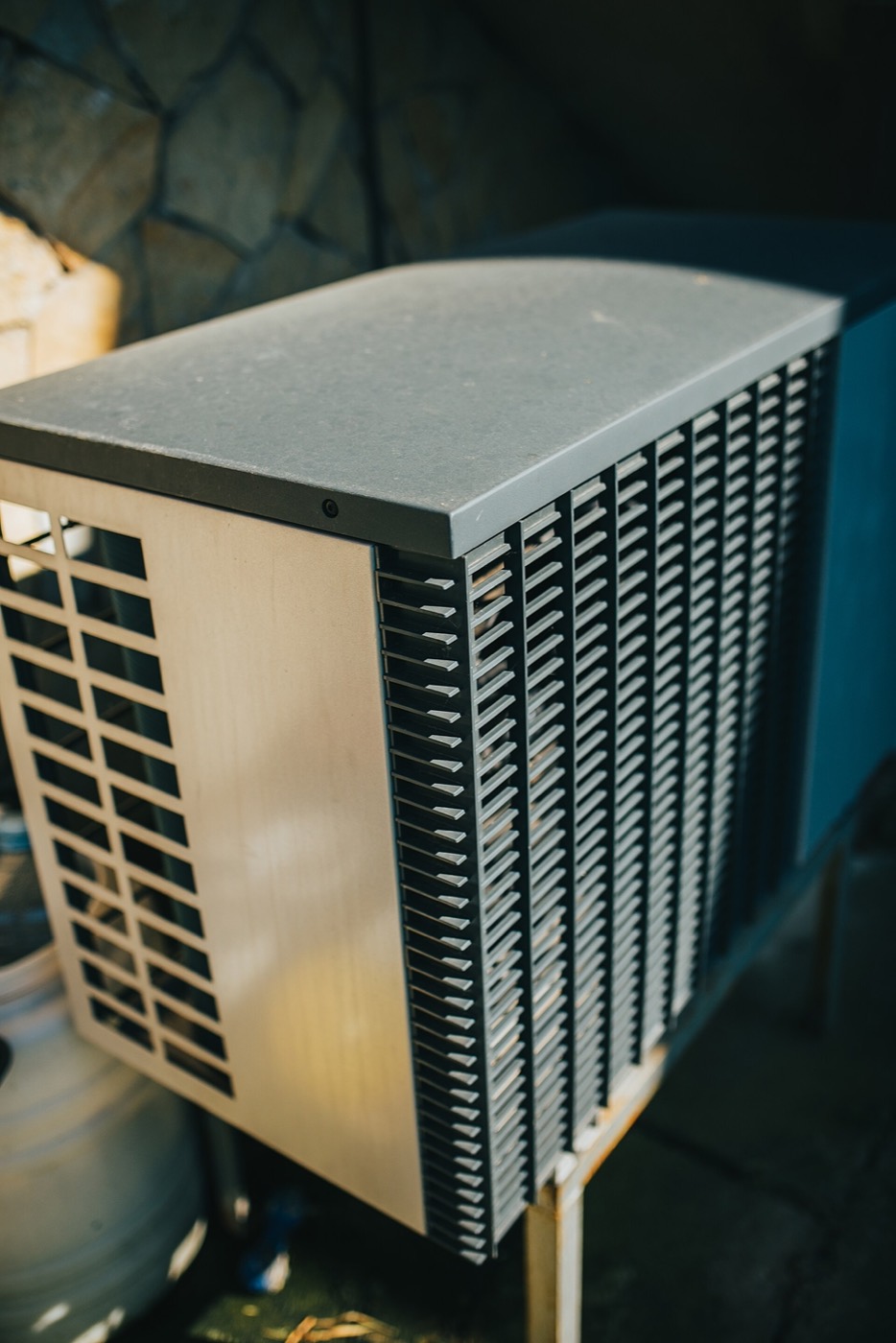
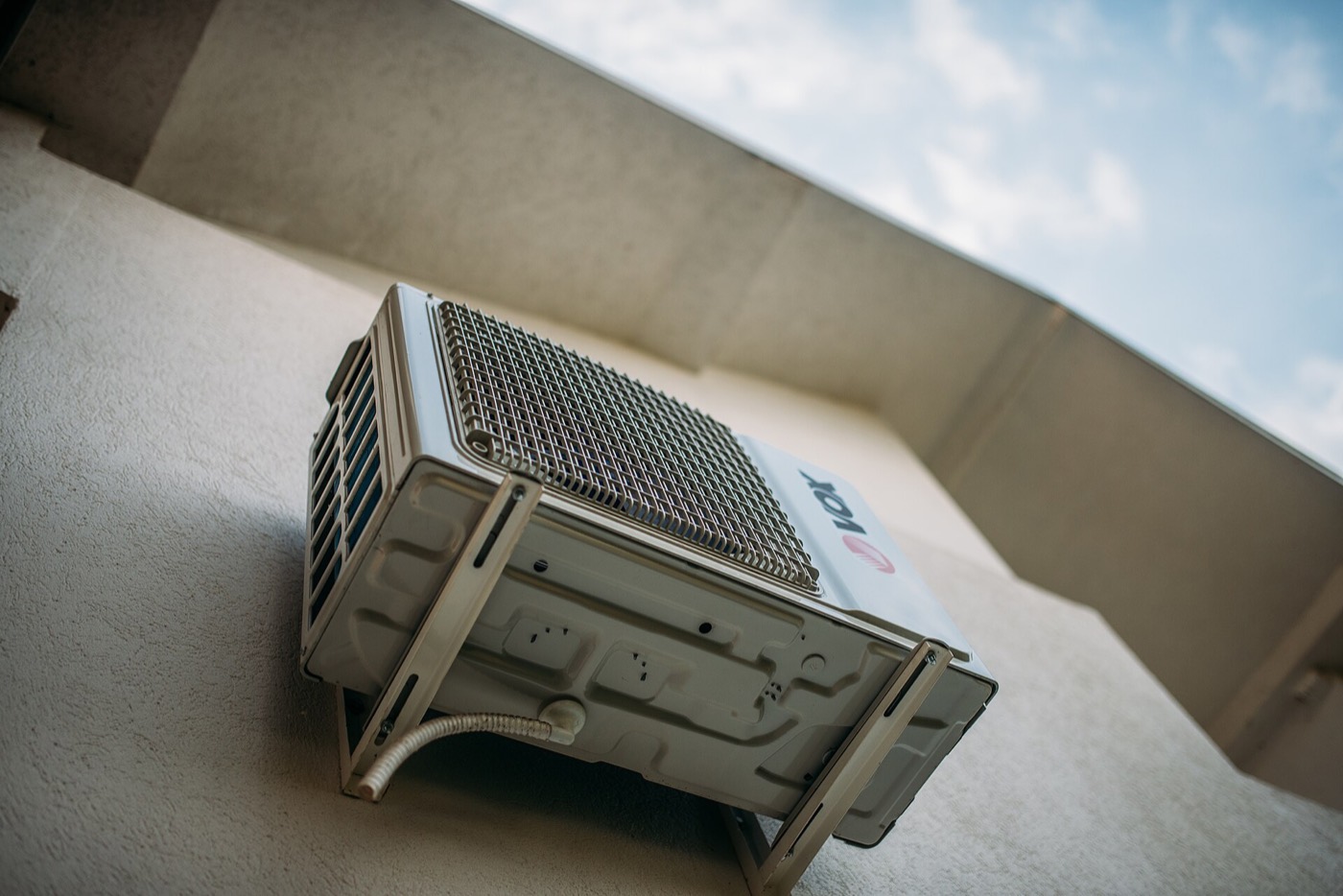
A ductless mini-split has an outdoor unit connected to one or more indoor units by a small line set (refrigerant lines, a drain and a power cable) that passes through a hole about three inches across.
Pros:
- No ducts needed; minimal disruption
- Each room or zone has its own control
- Very efficient, and most models also heat (they're heat pumps)
- Fast installation
Cons:
- Indoor units are visible on walls (ceiling cassettes and floor consoles are alternatives)
- Each room needs its own indoor unit or must share one
See our full ductless mini-split guide.
Option 2: High-velocity systems
High-velocity systems use an air handler (often in the attic or basement) and small, flexible insulated ducts, often around two inches in diameter, that can be fished through walls, closets and floors like electrical cable. Air comes out of small round outlets.
Pros:
- Discreet: small round vents instead of wall units
- Whole-house cooling from one system
- Good dehumidification
Cons:
- More installation labor than ductless
- Air comes out at higher speed, so outlets must be placed thoughtfully
- Requires space for the air handler
Option 3: Attic air handler with new ducts
In homes with accessible attic space, a conventional air handler and ductwork in the attic can cool the upper floor through ceiling registers. The first floor may get its own system from the basement, or a mini-split.
Pros:
- Familiar central air with standard registers
- Can be very effective upstairs, where heat rises
Cons:
- Ducts in hot attics must be well sealed and insulated (see duct sealing)
- First floor often needs a separate solution
What about window units?
They're inexpensive, but noisy, inefficient, block windows and can damage sills. Many homeowners upgrade from window units to mini-splits and never look back.
Planning an installation in an older home
- Assess the house. Where can equipment go? Is there attic or basement access? What's the electrical capacity?
- Protect original details. Plan routes for lines and ducts to avoid cutting into plaster, trim and decorative ceilings.
- Size correctly. Older homes vary widely in insulation. Proper sizing avoids clammy, short-cycling systems. See how to size an AC.
- Think about heat too. Mini-splits and ducted heat pumps can supplement or partially replace boiler heat.
- Check electrical service. Older homes may need a panel upgrade for new equipment.
Keeping your boiler
Adding cooling doesn't mean replacing your boiler. Radiator heat is quiet and comfortable. Many homeowners keep the boiler for winter and add ductless or high-velocity cooling for summer. See boiler vs. furnace.
Comparing the main options at a glance
Ductless mini-splits
- Best for: homes with no ducts, additions, finished attics, sunrooms
- Pros: no ductwork needed, room-by-room control, also heat in winter
- Considerations: wall-mounted indoor units are visible; each zone needs its own head
High-velocity small-duct systems
- Best for: older homes where you want whole-house cooling with minimal visible equipment
- Pros: small flexible ducts fit through tight spaces, small round outlets
- Considerations: installation takes careful planning; airflow can be audible near outlets
Conventional ducted central air
- Best for: homes with an attic or basement that can hold ductwork, or homes already ducted for a furnace
- Pros: whole-house cooling, traditional vents, can pair with a furnace or heat pump
- Considerations: running new ducts in finished walls can be disruptive
Ducted heat pump with attic air handler
- Best for: cooling the upstairs of a home heated by a boiler
- Pros: cools and adds heat to the upper floor; leaves the boiler for main heat
- Considerations: attic ducts need good insulation and sealing
Protecting the character of an older home
Plaster walls, original trim and hardwood floors are worth protecting. Ask your contractor how they'll route refrigerant lines and ducts, where outdoor units will sit, and how they'll patch any openings. Closets, attics, basements and chases often provide routes that avoid disturbing finished rooms. See how to size an AC or heat pump for why a proper load calculation matters even more in older homes with unique layouts.
Get options for your home
We install ductless mini-splits, high-velocity systems and attic air handlers in older homes across Ocean, Monmouth, Burlington and Middlesex counties. Book a free estimate and we'll recommend the approach that fits your house and protects its character. Learn more about AC installation, including AC installation in Spring Lake and Riverton.
Frequently asked questions
Can you install central air in a house with radiators?
Yes. Common approaches are ductless mini-splits, high-velocity systems with small flexible ducts, or an attic air handler with new ductwork serving upstairs rooms.
What is a high-velocity air conditioning system?
A system that uses small, flexible ducts (often around 2 inches) to deliver air at higher speed through small outlets. The small ducts fit through walls and floors of older homes with minimal disruption.
Are ductless mini-splits good for old houses?
Often, yes. They need only a small hole through the wall for the line set, cool individual rooms efficiently, and many also provide heat.
Will adding AC damage my historic home?
A careful installer plans routes for lines and ducts to protect plaster, trim and original details. We assess the home first and explain the options and trade-offs.
Do you install AC in older homes?
Yes. Prime Comfort Group installs ductless mini-splits, high-velocity systems and attic air handlers in older homes across Ocean, Monmouth, Burlington and Middlesex counties.
Too hot? Too cold? Let’s fix that today.
Message us on WhatsApp and our team will get back to you with honest advice and an upfront quote. Same day service across Ocean, Monmouth, Burlington and Middlesex counties.
- Upfront quotes
- No hidden fees
- Licensed & family owned


Install our app
On your iPhone or iPad, in Safari:
- Tap the Share button ↑︎ at the bottom of the screen
- Scroll down and tap Add to Home Screen
- Tap Add. The app appears on your home screen
Using Chrome on iPhone? Tap the share icon in the address bar, then Add to Home Screen.
On your Android phone, in Chrome:
- Tap the menu ⋮ at the top right
- Tap Install app (or Add to Home screen)
- Tap Install. The app appears on your home screen
No app store, no sign-up needed. Book service, track appointments and see your invoices and receipts.