
In this guide
Quick answer: In your first months in a new home, find out how old the furnace, boiler, air conditioner, heat pump and water heater are, and when they were last serviced. Learn where the filters, shutoffs, breakers and water main are; change the filters; install or test carbon monoxide and smoke alarms; and schedule a baseline tune-up so you know what you're working with. A little effort now avoids expensive surprises later.
Congratulations on your new home! Whether you just moved into a condo in Woodbridge, a colonial in Middletown, a townhome in Mount Laurel or a ranch in Toms River, the heating and cooling systems you inherited are some of the most important (and expensive) equipment in the house. Here's how to get to know them.
1. Identify your systems
Walk through and note what you have:
- Heating: gas furnace, oil furnace, boiler (hot water or steam), heat pump, electric baseboard
- Cooling: central AC, heat pump, ductless mini-splits, window units
- Hot water: tank (gas or electric), tankless, indirect tank or combi boiler
- Extras: humidifier, dehumidifier, air cleaner, zoning, ventilation fans
2. Find out how old everything is
Each unit has a rating plate with the model and serial number. The manufacture date is often printed or encoded in the serial number. Typical lifespans give you a sense of what's coming:
- Air conditioners and heat pumps: commonly around 12 to 15 years
- Gas furnaces: commonly around 15 to 20 years
- Boilers: often longer, 20 years or more for cast iron
- Tank water heaters: commonly around 8 to 12 years
See how long HVAC systems last and water heater lifespan. Older equipment isn't necessarily failing, but it's worth budgeting for.
3. Ask for the service history
Ask the sellers or check the home inspection report for maintenance records, warranty information and recent repairs. Look for service stickers on the equipment.
4. Change the filters
Unless you know they were just replaced, change all filters now. Find the size printed on the edge of the old one. Filters may be in a return grille on a wall or ceiling, or in a slot at the furnace or air handler. See our air filter guide.
5. Learn your shutoffs
- Furnace or air handler service switch (looks like a light switch)
- Outdoor AC disconnect beside the condenser
- HVAC breakers in your electrical panel (label them if they aren't)
- Gas shutoff at the meter and at each appliance
- Main water shutoff
- Water heater cold supply valve and drain
6. Install and test alarms
Install carbon monoxide alarms on every level and near sleeping areas if the home has fuel-burning appliances or an attached garage, and make sure smoke alarms work. Replace any alarms past their expiration date. See carbon monoxide safety.
7. Check the thermostat
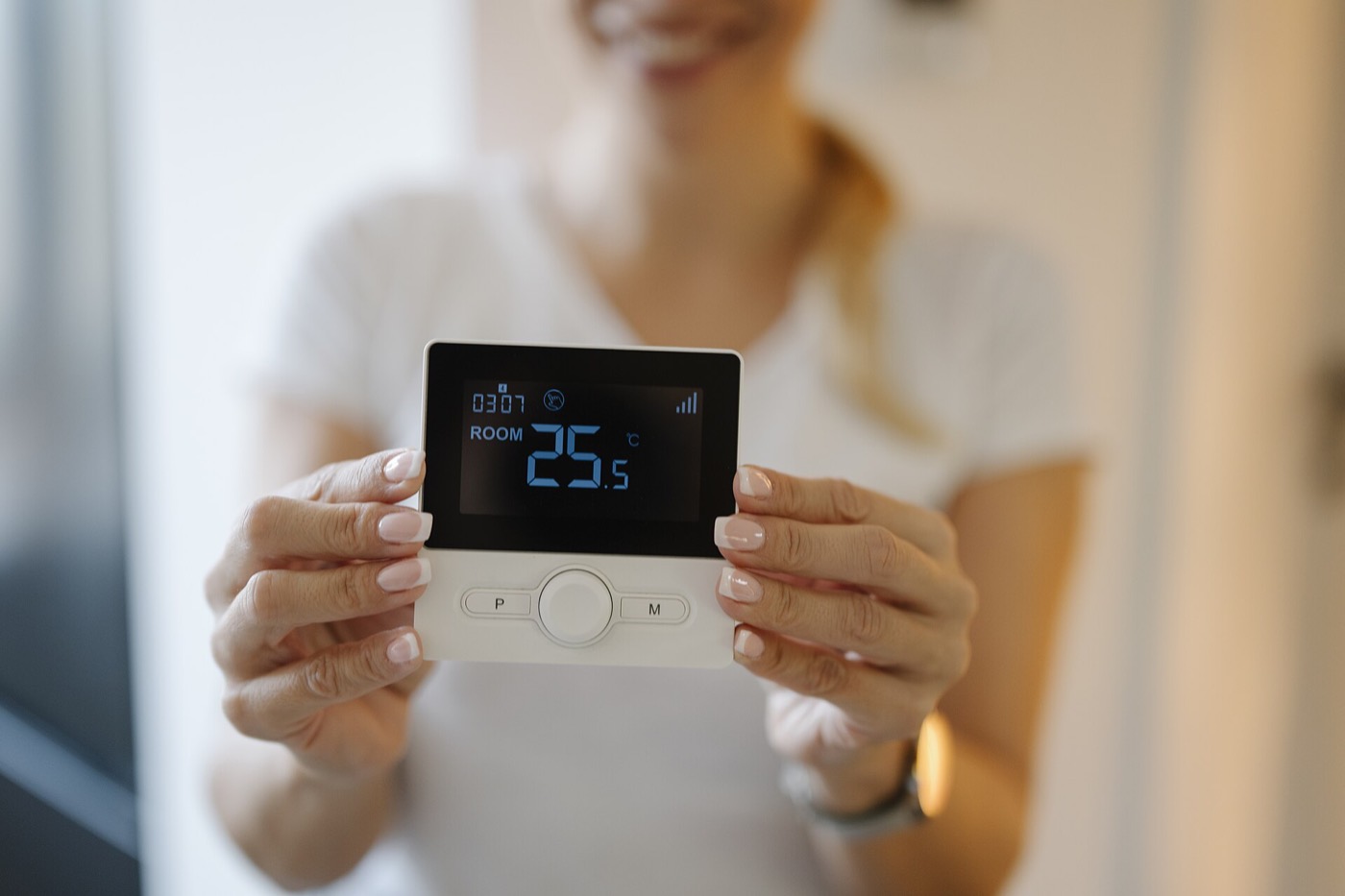
Learn how to program it, or upgrade to a smart thermostat compatible with your system. See best thermostat settings.
8. Look outside
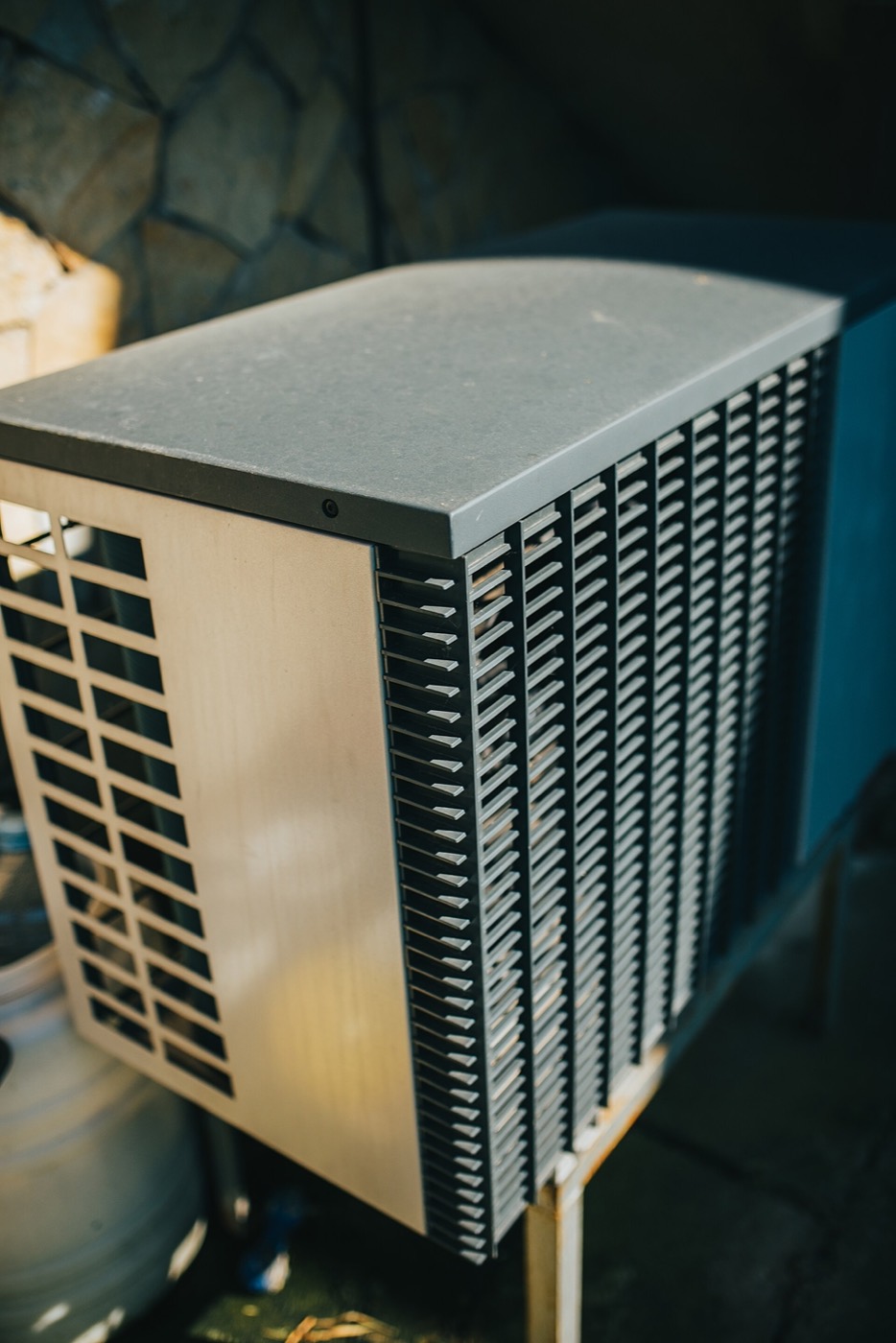
- Outdoor units level, clear of plants and debris, with two feet of clearance
- Vents and exhaust terminations unblocked
- Gutters not dripping onto equipment
- Shore homes: check for salt corrosion on coils and cabinets (see salt air corrosion)
9. Find the condensate drain
Air conditioners and high-efficiency furnaces produce water that drains away. Know where the drain line and any condensate pump are, and check the drain pan for standing water. Clogged drains cause leaks. See AC leaking water inside.
10. Schedule a baseline tune-up
A professional tune-up tells you the real condition of your heating and cooling equipment, catches small problems before they grow, and starts your maintenance record. Schedule heating service in the fall and cooling in the spring going forward. See the seasonal maintenance checklist.
Budgeting for replacement
If your equipment is near the end of its life, start planning instead of waiting for a breakdown. Read repair or replace your AC and signs you need a new furnace. Our offers include $500 off a new heating or cooling system (terms apply).
Questions to ask your technician at the first visit
Use your first service visit to learn about your home:
- How old is each system, and what condition is it in?
- What size filter does it use, and how often should I change it?
- Are there any safety concerns, such as venting, gas or carbon monoxide?
- Is anything likely to need repair or replacement in the next few years?
- What maintenance should I do myself between visits?
Write down the answers and keep them with your home records.
Start a home records folder
Keep a folder, paper or digital, with equipment model and serial numbers, install dates, warranty documents, filter sizes and every service receipt. It makes repairs faster, helps with warranty claims and adds value when you eventually sell. Customers who book with us can also see their service history, invoices and equipment in their online account.
Make it easy
The Prime Comfort Club covers one heating and one AC tune-up a year for $19/month, plus priority scheduling and 10% off repairs, a simple way to stay on top of maintenance in a new home. Or book a tune-up any time. We serve every town in Ocean, Monmouth, Burlington and Middlesex counties.
Frequently asked questions
How do I find out how old my furnace or AC is?
Look at the rating plate on the unit. The manufacture date is often printed or encoded in the serial number. A technician can tell you during a visit.
Should I get my HVAC serviced after buying a house?
Yes. A baseline tune-up tells you the true condition of your systems, catches problems early and starts your maintenance record.
What filter does my system use?
Check the size printed on the edge of the current filter, usually in the return grille or at the furnace or air handler. Buy the same size and replace it on schedule.
Where is my HVAC shutoff switch?
Furnaces and air handlers usually have a light-switch-style service switch on or near the unit. Outdoor condensers have a disconnect box beside them. Both should be labeled at your electrical panel.
Do you offer maintenance for new homeowners?
Yes. We offer tune-ups for heating, cooling and water heaters, and the Prime Comfort Club for $19/month includes one heating and one AC tune-up per year, priority scheduling and 10% off repairs.
Too hot? Too cold? Let’s fix that today.
Message us on WhatsApp and our team will get back to you with honest advice and an upfront quote. Same day service across Ocean, Monmouth, Burlington and Middlesex counties.
- Upfront quotes
- No hidden fees
- Licensed & family owned


Install our app
On your iPhone or iPad, in Safari:
- Tap the Share button ↑︎ at the bottom of the screen
- Scroll down and tap Add to Home Screen
- Tap Add. The app appears on your home screen
Using Chrome on iPhone? Tap the share icon in the address bar, then Add to Home Screen.
On your Android phone, in Chrome:
- Tap the menu ⋮ at the top right
- Tap Install app (or Add to Home screen)
- Tap Install. The app appears on your home screen
No app store, no sign-up needed. Book service, track appointments and see your invoices and receipts.